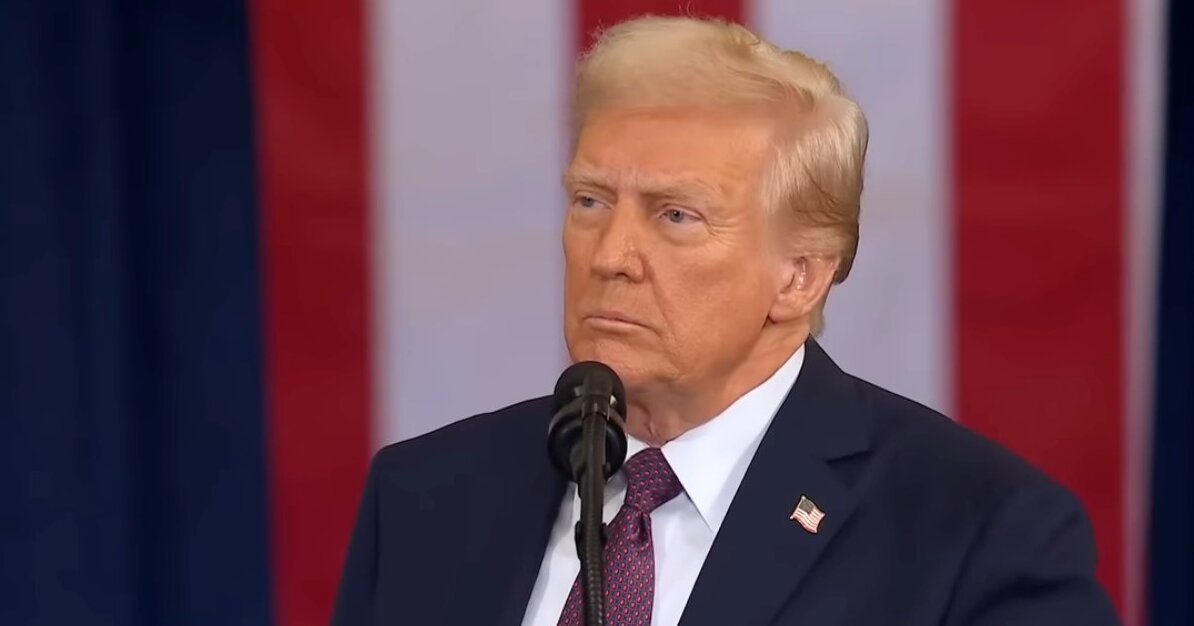
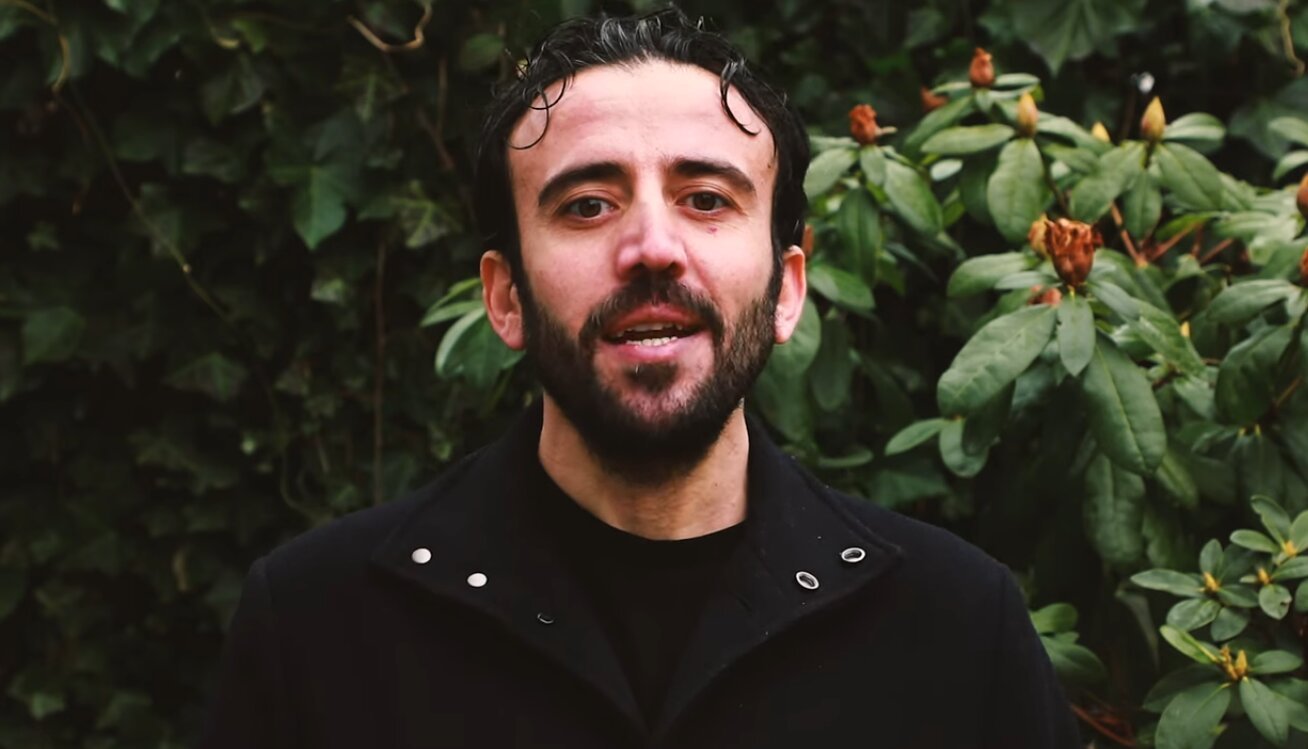
President Donald Trump’s decision to name Federal Housing Finance Agency Director Bill Pulte as acting Director of National Intelligence has sparked immediate debate in Washington over experience, loyalty, and the future direction of the U.S. intelligence community.
Pulte, who currently leads the FHFA and serves as chairman of Fannie Mae and Freddie Mac, will temporarily oversee the Office of the Director of National Intelligence following Tulsi Gabbard’s resignation.
The move is unusual because Pulte’s background is in housing finance and federal financial oversight, not intelligence, military operations, or national security policy. The ODNI is responsible for coordinating intelligence across the federal government and plays a key role in preparing national security analysis for the president.
The office does not operate like the CIA or military special operations units, but it is still one of the most sensitive positions in Washington. It helps align intelligence work across agencies including the CIA, NSA, FBI, and others, while also shaping the president’s daily intelligence briefing.
TRENDING TODAY

Trump defended the appointment by pointing to Pulte’s experience managing major federal financial institutions and sensitive housing-market responsibilities. Supporters argue that the intelligence community is a large bureaucracy and that Pulte’s management background could help impose discipline, accountability, and responsiveness to elected leadership.
Vice President JD Vance also praised the pick, saying Pulte understands that federal agencies should answer to elected officials rather than operate independently of them.
Critics see the appointment very differently. Some lawmakers have questioned whether someone without intelligence experience should lead an office responsible for coordinating national security information during a period of global instability.
Sen. Mark Warner, the top Democrat on the Senate Intelligence Committee, warned that intelligence agencies must remain independent and protected from political pressure. Several Republicans have also expressed uncertainty, saying they are not familiar enough with Pulte’s national security experience to judge whether he is suited for the role.
The appointment also comes at a sensitive time for the intelligence community. The United States is facing tensions involving Iran, Russia, China, and ongoing conflicts that require fast, credible intelligence assessments. Any perception that intelligence leadership is becoming more political could increase concern among lawmakers and career officials.
Pulte has already drawn attention in his housing role for a confrontational approach to federal oversight and for highlighting alleged mortgage-related misconduct involving public figures. Supporters say that shows he is willing to challenge powerful institutions. Critics argue it raises concerns about whether he could bring a political style into the intelligence world.
Because Pulte is serving in an acting role, he does not immediately require Senate confirmation. However, if Trump later nominates him for the permanent DNI position, he would face a formal Senate review and likely tough questioning from both parties.
The larger question is whether Trump wants a traditional intelligence professional in the role or a trusted manager who will push the intelligence community to align more closely with the White House’s priorities.
For now, Pulte’s appointment signals that Trump is willing to place loyalists from outside traditional national security circles into sensitive roles if he believes they can control bureaucracy and advance his agenda.
Why It Matters
The appointment matters because the Director of National Intelligence sits at the center of America’s national security system.
The role requires trust from the president, cooperation from intelligence agencies, and confidence from Congress. If lawmakers believe the office is being politicized, oversight battles could intensify.
At the same time, Trump’s supporters argue that intelligence agencies need stronger accountability and that a nontraditional leader may be better positioned to challenge entrenched bureaucratic habits.
What Comes Next
Pulte can serve in the acting role while Trump considers a permanent nominee. If he remains only temporarily, the appointment may function as a bridge after Gabbard’s departure.
If Trump tries to make Pulte permanent, the Senate confirmation process could become contentious. Lawmakers are likely to press him on intelligence independence, national security experience, political neutrality, and how he would manage agencies during major global crises.
The next major test will be whether Pulte can reassure both the White House and Congress that he can lead the intelligence community without turning it into a political battlefield.
Vice President JD Vance backed Trump’s appointment of Bill Pulte as acting Director of National Intelligence, arguing that the intelligence bureaucracy should answer to elected leadership.
Bill is a great guy who recognizes that the bureaucracy of the intel community must respond to the elected leadership (rather than the other way around). He’ll do great! pic.twitter.com/nlK2tWXZjl
— JD Vance (@JDVance) June 2, 2026
A separate Fox Business clip shared by Eric Daugherty highlighted Pulte’s FHFA role and recent scrutiny of mortgage-related issues involving public officials.
🚨 JUST IN: President Trump names FHFA Director BILL PULTE as Acting Director of National Intelligence, replacing Tulsi Gabbard for now
Pulte has GONE AFTER people Letitia James and Adam Schiff for fraud in recent months
“William has deep experience managing the most sensitive… pic.twitter.com/kAE1qbB2NQ
— Eric Daugherty (@EricLDaugh) June 2, 2026