The Small Business Administration, working with the General Services Administration, is removing nearly two dozen foreign products from a federal purchasing platform after concerns that some China-linked companies may have misrepresented goods as “Made in America.”
SBA Administrator Kelly Loeffler said the move is part of a broader effort to protect American manufacturers, strengthen domestic supply chains and ensure taxpayer dollars are not used to support companies that falsely claim U.S. sourcing.
The products were listed on GSA Advantage, a federal marketplace used by government agencies to buy goods from approved vendors. According to reports, officials raised concerns that some foreign suppliers may have marketed products as American-made even though they were allegedly sourced from or tied to China-based production.
The SBA did not publicly identify the specific vendors or products removed from the platform. That means the allegations remain broad and should not be treated as proven against any named company unless federal officials release further details.
TRENDING TODAY

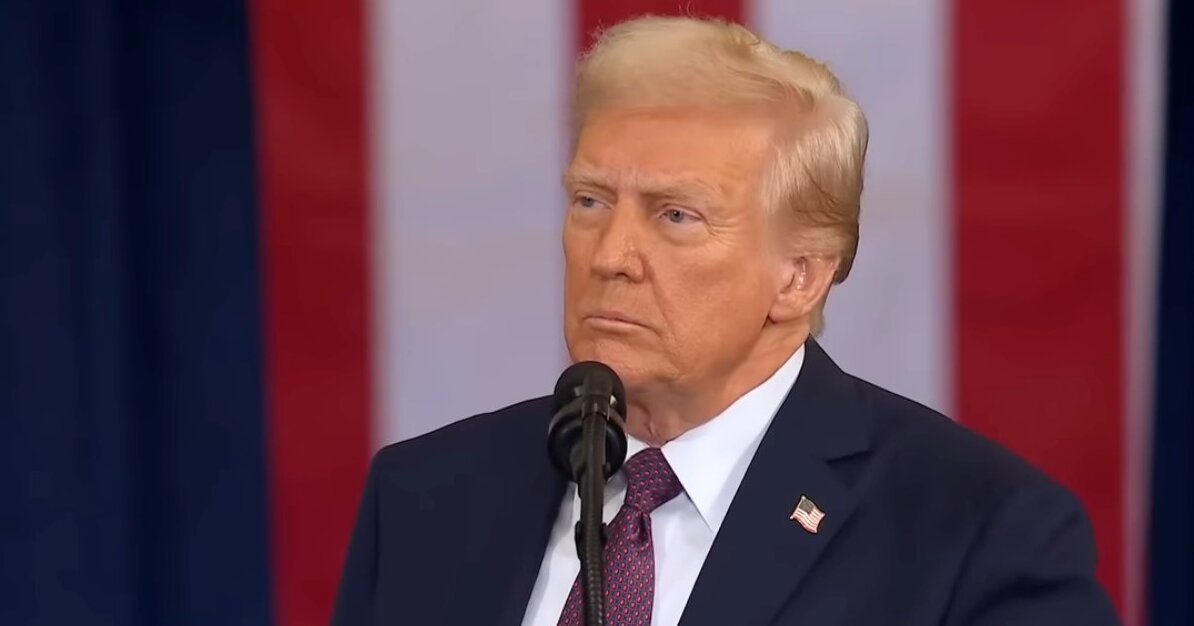
Loeffler framed the action as part of the Trump administration’s push to rebuild U.S. industry and reduce dependence on foreign supply chains.
“As part of our commitment to rebuilding American industry and supply chains, the Trump SBA believes that every taxpayer dollar spent by the federal government should go to support American businesses, workers and products,” Loeffler said.
The concerns reportedly came after Sherrill Manufacturing, a New York-based small business, raised questions during a White House Small Business Summit. The company, which produces Liberty Tabletop flatware, says it is the only manufacturer of stainless steel flatware that is fully made in the United States.
According to SBA officials, Sherrill warned that some foreign competitors may have been only partially assembling or finishing products in the U.S. while still presenting them as American-made for federal procurement purposes.
That distinction matters because federal purchasing rules often give preference to U.S.-made goods. If products are incorrectly labeled, American manufacturers could lose contracts to cheaper foreign goods that do not meet the same sourcing standards.
The issue also touches on national security. U.S. officials have increasingly warned that dependence on China-linked supply chains can create vulnerabilities in critical sectors. While the products in question were not publicly listed, the administration is presenting the review as part of a wider effort to reduce risk from foreign-sourced goods in government procurement.
The federal government has long had rules designed to prioritize domestic production. The Buy American Act, passed in 1933, generally requires federal agencies to favor American-made goods in government purchasing. Other rules, including defense-related sourcing requirements, are intended to protect key industries and reduce reliance on foreign suppliers.
Trump has made “Made in America” a central part of his economic message. His administration has pushed executive actions, procurement reviews and manufacturing initiatives aimed at bringing production back to the United States. The SBA has also launched programs intended to connect small businesses with domestic suppliers and expand financing for manufacturers.
Loeffler said the latest action is meant to send a message to foreign vendors that the administration will not tolerate false claims about American sourcing.
“The Trump Administration is sending a clear message that we will not tolerate foreign impostors that hijack Made in America labels, or those that undercut honest, generational, American small businesses,” she said.
Sherrill Manufacturing CEO Matthew Roberts praised the action, saying his company’s factory has a manufacturing history tied to supplying America’s armed forces during World War I. He thanked Trump, Loeffler and GSA Administrator Ed Forst for efforts to protect American manufacturing.
Supporters of the crackdown argue that strict enforcement is necessary to protect small manufacturers that follow domestic sourcing rules and pay U.S. labor costs. They say companies that falsely claim American-made status can undercut legitimate firms and weaken the industrial base.
Critics may question whether the administration is using procurement enforcement as part of a broader political message on China. Without a public list of removed vendors, outside observers have limited ability to assess how widespread the alleged misrepresentation was or whether the products posed any actual security risk.
Still, the broader policy question is significant. Federal procurement represents billions of dollars in spending, and even small changes in sourcing rules can affect manufacturers, importers and government suppliers. If agencies more aggressively review product origin claims, vendors may face stricter documentation requirements and higher compliance costs.
The move also comes at a time when both parties have expressed concern about U.S. dependence on China for manufacturing, technology, pharmaceuticals and industrial supplies. While Democrats and Republicans often disagree on tariffs and trade strategy, there is growing bipartisan interest in reshoring production and protecting critical supply chains.
For small manufacturers, the SBA-GSA action may be welcomed as a sign that federal agencies are paying closer attention to whether “Made in America” labels are being used honestly. For importers and mixed-source suppliers, it could be a warning that procurement claims may face closer scrutiny.
The administration has not said whether more products will be removed from GSA Advantage or whether vendors could face penalties beyond delisting. Future enforcement may depend on what investigators find and whether agencies uncover broader patterns of mislabeling.
For now, the removal of nearly two dozen products marks another step in the Trump administration’s campaign to link federal spending with domestic manufacturing and supply-chain security.
Why It Matters
This matters because federal purchasing rules are supposed to support American-made goods when required by law. If foreign vendors falsely claim U.S. sourcing, American small manufacturers can lose contracts unfairly.
It also matters because the issue connects economic policy with national security. The Trump administration is using procurement enforcement to reduce reliance on China-linked supply chains and promote domestic manufacturing.
What Comes Next
The SBA and GSA may continue reviewing listings on federal purchasing platforms to identify products that may not meet sourcing rules. Vendors could face more documentation requirements to prove where products are made.
If officials release the names of removed products or companies, the story could expand into a larger procurement and trade enforcement issue.
Lawmakers have also been discussing “Made in America” manufacturing policies as the Trump administration increases pressure on foreign-linked supply chains in federal purchasing.
I recently joined Newsmax to discuss my Made-in-America Defense Act, which passed the House and would help strengthen our defense supply chains here at home.
For South Carolina’s Third District, that means supporting manufacturers, creating opportunities for good-paying jobs,… pic.twitter.com/hzb4ZWohtL
— Sheri Biggs (@RepSheriBiggs) June 11, 2026