House Oversight Democrats are calling for Vice President JD Vance to testify before Congress over the Trump administration’s handling of the Jeffrey Epstein files, following new reporting that described internal White House concern over the political fallout from the issue.
Rep. Robert Garcia of California, the top Democrat on the House Oversight Committee, is urging committee Chairman James Comer to bring Vance and several senior Trump administration officials before the panel. Garcia’s request comes after reporting from The New York Times described a series of internal meetings focused on how the administration should respond to the Epstein files controversy.
The request does not guarantee that Vance will testify. Republicans control the committee, and Comer would likely have to agree to a formal invitation or subpoena. The White House had not immediately said whether Vance would appear.
According to Oversight Democrats, Garcia is seeking testimony or interviews from Vance, White House Chief of Staff Susie Wiles, FBI Director Kash Patel, Press Secretary Karoline Leavitt, Communications Director Steven Cheung, former FBI Deputy Director Dan Bongino, and other administration figures. Democrats argue that Congress needs to understand why the matter reportedly became the subject of high-level internal discussions.
TRENDING TODAY


The New York Times report, cited by Democrats and other outlets, said the Epstein files created a major internal challenge for the Trump administration. It described Situation Room meetings involving senior officials, sometimes without Trump present, as aides debated how to handle public pressure for additional disclosures.
The reporting said Vance viewed the matter as a serious political problem, while other White House officials allegedly believed he was overstating its significance. Democrats seized on that detail, asking why a politically sensitive records dispute was being discussed in such a high-level national security setting.
The Epstein files have remained a major political issue because of the public’s long-running demand for transparency around Epstein’s contacts, finances, alleged associates, and the government’s handling of his case. Epstein, a financier and convicted sex offender, died in a New York jail in 2019 while awaiting trial on federal sex-trafficking charges.
The controversy intensified after a Justice Department memo in 2025 reportedly concluded there was no evidence of a formal Epstein “client list.” That conclusion angered many people who had expected the Trump administration to release more explosive information. Some of the strongest criticism came from Trump’s own supporters, who accused federal agencies of withholding records.
The dispute later expanded after the release of large document batches under the Epstein Files Transparency Act. While those releases added to public attention, they did not settle the broader political fight. Many activists, lawmakers, and commentators continued demanding full disclosure, fewer redactions, and more testimony from officials connected to the records process.
Garcia and other Democrats now appear to be using the latest reporting to pressure Republicans on the committee. Their argument is that if senior Trump officials held meetings about managing the Epstein issue, Congress should question them under oath or in formal interviews.
Republicans may resist that effort. GOP leaders could argue that Democrats are trying to turn a document-disclosure controversy into a political attack against the White House. They may also argue that the committee is already reviewing Epstein-related materials and does not need to summon the vice president.
Still, the request puts Republicans in a difficult position. Many conservative voters have also demanded more transparency on Epstein-related records. If GOP leaders reject Democratic calls for testimony, they may face questions from voters who believe the government has still not been fully open.
The issue has already caused tension inside the Republican coalition. Lawmakers who pushed aggressively for full release of the files have faced political pressure, while Trump has grown increasingly frustrated with the controversy. The fight has become less about partisan lines and more about trust, secrecy, and whether the public believes officials are being honest.
Democrats are likely to frame Vance’s possible testimony as a question of accountability. If the administration did nothing wrong, they may argue, officials should be willing to explain what happened and why meetings were held.
The White House is likely to frame the request differently, possibly arguing that Democrats are exploiting Epstein’s name for political gain. The administration may also point to document releases and previous DOJ statements as evidence that it has already addressed the issue.
The next step will depend on Comer and House Republican leadership. Without GOP cooperation, Democrats have limited power to compel a sitting vice president or senior White House officials to appear. But the request still keeps the Epstein files issue in the headlines and increases pressure on the administration to explain its internal handling of the matter.
For now, the controversy remains unresolved. The public has seen millions of pages of records, but the political demand for answers continues. Garcia’s push to bring Vance before the committee shows that the Epstein files debate is still far from over.
Why It Matters
This matters because the Epstein files have become a major test of transparency for the Trump administration. Democrats are now asking whether senior officials were focused on public disclosure or on controlling political damage.
It also matters because the issue crosses party lines. Many Trump supporters have also demanded full release of Epstein-related records, meaning the administration faces pressure from both Democrats and parts of its own base.
What Comes Next
House Oversight Chairman James Comer will decide whether the committee takes action on Garcia’s request. If Republicans agree, Vance and other senior officials could face questions about internal meetings, document releases, and how the administration handled the controversy.
If Republicans reject the request, Democrats are likely to continue using hearings, letters, and public pressure to keep the Epstein files issue active through the election season.
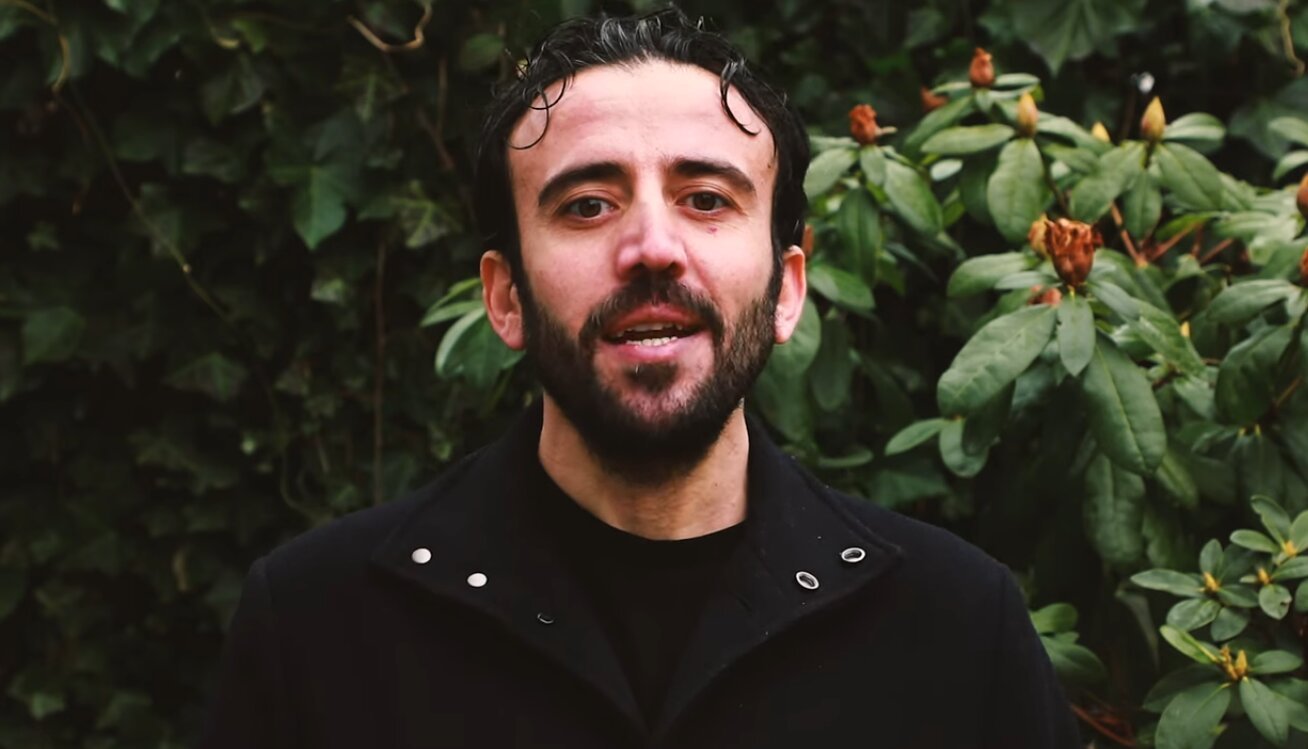
Rep. Robert Garcia discussed the request for testimony after reporting said senior White House officials held internal meetings about how to handle the Epstein files controversy.
Rep. Robert Garcia reacts to NYT reporting that WH officials held a situation room meeting on the Epstein files without Trump: “No question there are bombshells still in the Epstein files.” pic.twitter.com/SQ8FZqI1NR
— Erin Burnett OutFront (@OutFrontCNN) June 11, 2026