United Airlines says it is reviewing a viral video that appears to show one of its employees threatening to call Immigration and Customs Enforcement on a Mexican American customer during a tense exchange at San Francisco International Airport.
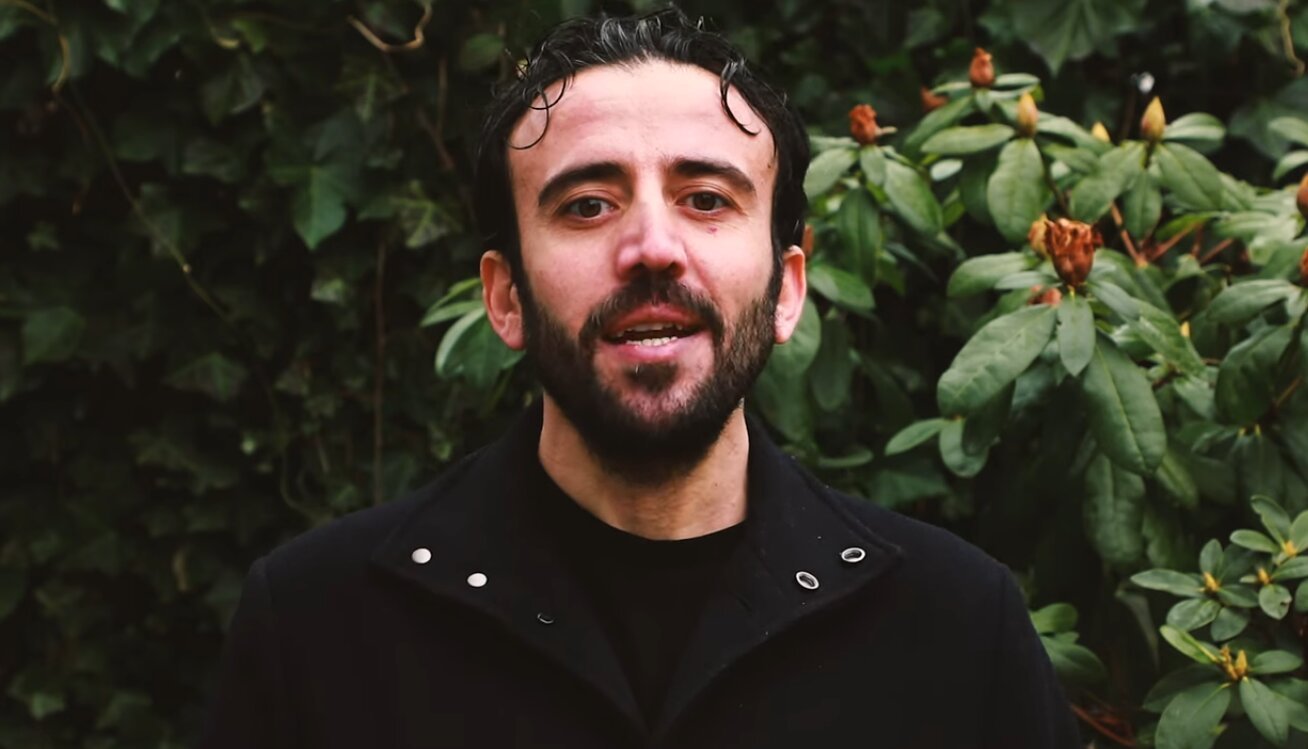
The incident reportedly involved Julio Varela, a naturalized U.S. citizen from San Ramon, California, who was traveling with his family on a flight to Canada. According to a report, the disagreement began after Varela’s family waited for hours while airline staff attempted to correct an error in his daughter’s name on a ticket.
The situation escalated when Varela, frustrated by the delay, began recording the interaction and asked the employee to identify herself so he could file a complaint.
“I’m asking for your name so I can report you,” Varela said in the video.
TRENDING TODAY


The United staffer then pulled out her own phone and began recording him. In the video, she can be heard saying, “Maybe we should call ICE on you,” followed by, “You don’t act like a citizen.”
Varela responded angrily, telling the worker to call ICE and accusing her of racism. Another airline employee can be seen nearby during the exchange.
United Airlines has not publicly identified the worker or announced disciplinary action. In a brief statement, the company said it was “looking into the interaction in this video” and had nothing further to share at the time.
The video quickly spread online because the comment struck a nerve amid heightened national debate over immigration enforcement and the role ICE plays in public life. For many viewers, the worker’s statement appeared to link a customer’s behavior, ethnicity or perceived background with immigration status — even though Varela is reportedly a U.S. citizen.
Varela later said he worried that the comment could create problems for him when returning to the United States from Montreal. Despite those concerns, he reportedly re-entered the country without incident.
The case also highlights how quickly ordinary customer-service disputes can become national stories when immigration is invoked. A disagreement over a ticket correction might normally remain a private complaint between a traveler and an airline. But the mention of ICE transformed the exchange into a broader debate about discrimination, professionalism and how companies should train employees to handle frustrated customers.
United now faces pressure to determine whether the employee violated company standards and whether the situation reflects a larger need for staff training. Airlines operate in stressful environments, especially when flights, documents and international travel are involved. But employees are expected to de-escalate conflicts, not use immigration enforcement as a threat against passengers.
The incident is especially sensitive because travelers already face strict identity checks during international trips. Suggesting that ICE should be called on a customer because of how they are acting can be perceived as intimidation, particularly for Latino, immigrant or mixed-status families who may already fear encounters with immigration authorities.
At the same time, the video does not show every moment that happened before the exchange. United’s internal review will likely examine the full sequence of events, including how long the family waited, what was said before recording began and whether any employees or passengers felt threatened.
Still, the words captured on video are serious enough to raise public concern. A major airline must be able to serve passengers fairly regardless of nationality, accent, ethnicity or immigration background. Customers may get angry, and staff may feel pressure, but invoking ICE in a service dispute risks crossing a line from poor customer service into potentially discriminatory conduct.
Why It Matters
The incident comes at a time when immigration enforcement is already a major national flashpoint. For a customer-service employee to mention ICE during a dispute with a Mexican American passenger can reinforce fears that people may be judged by appearance, surname or perceived background rather than facts.
It also matters for corporate accountability. United Airlines will now be judged not only by the employee’s comment, but by how seriously it investigates the matter and whether it explains what steps it will take to prevent similar incidents.
What Comes Next
United Airlines is expected to complete its internal review of the video and the surrounding interaction. The company may decide whether discipline, additional staff training or a public apology is appropriate.
Varela could also choose to file a formal complaint with the airline or relevant civil rights authorities. Until United releases more information, key questions remain about what happened before the video began and how the airline will respond.