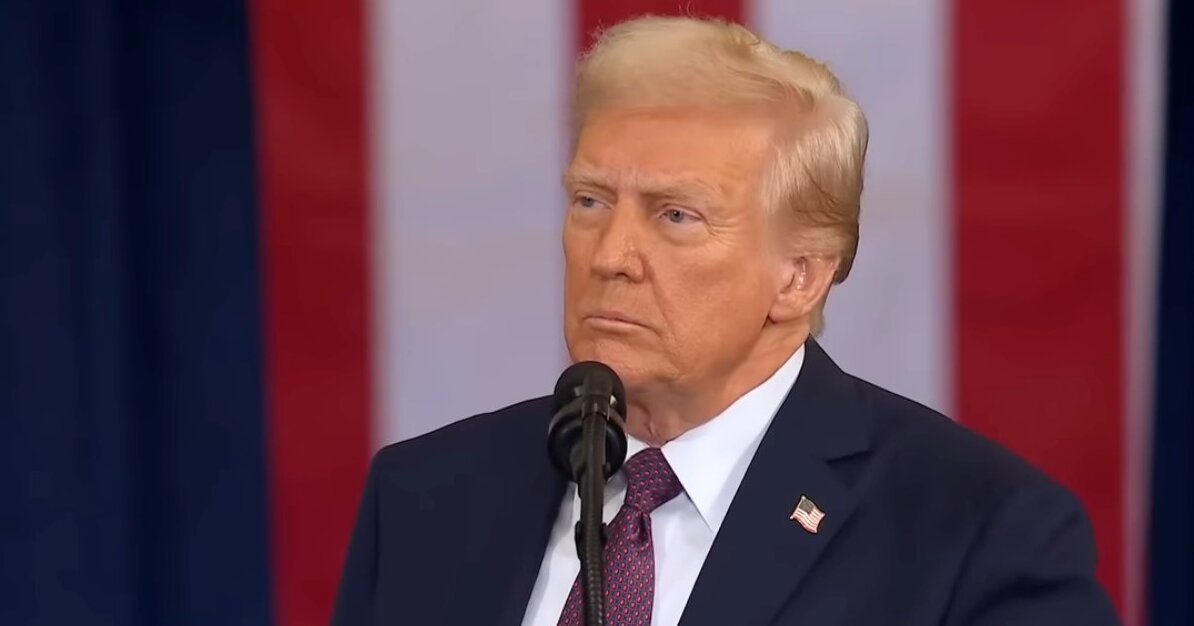
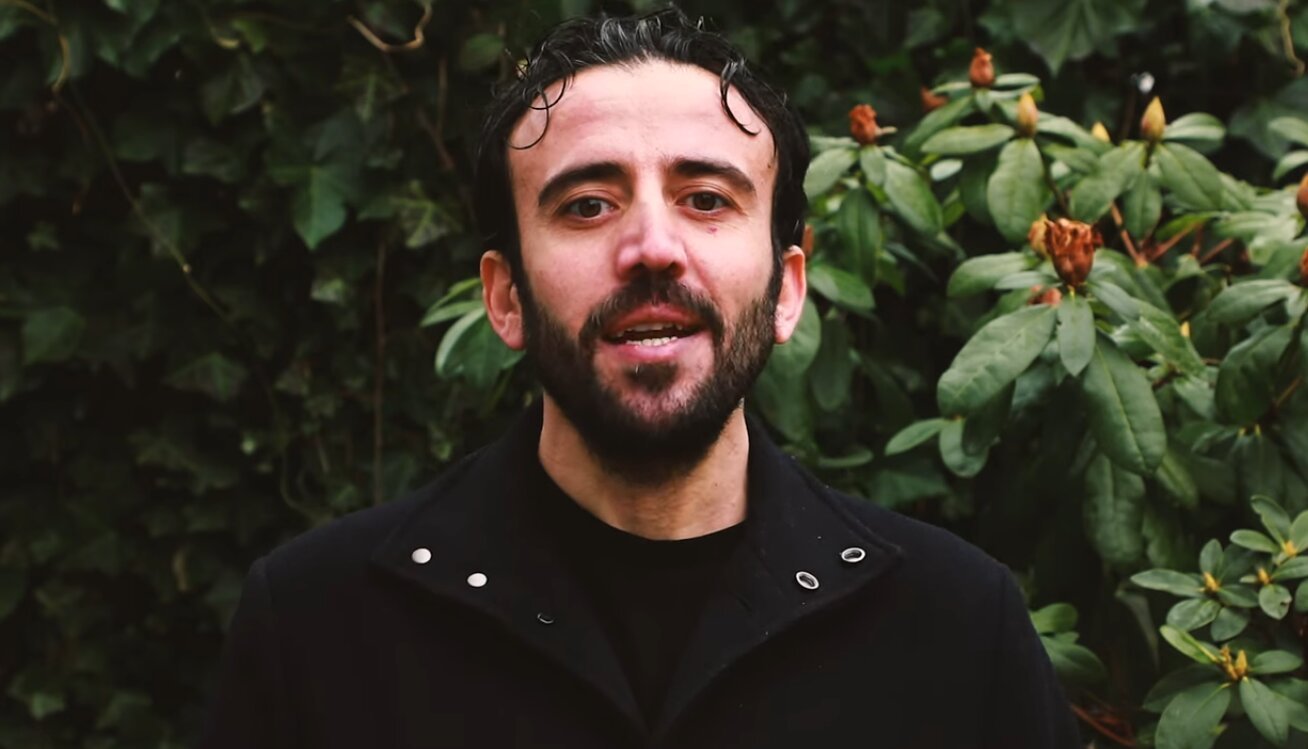
Michigan Democratic Senate nominee Abdul El-Sayed is embracing President Donald Trump’s claim that the two represent “very different” versions of America, turning the president’s latest social media attack into an argument about affordability, healthcare and the direction of the country.
Trump posted a side-by-side image on Truth Social over the weekend showing himself with first lady Melania Trump alongside El-Sayed and his wife, Sarah Jukaku. The caption described the two couples as representing “VERY DIFFERENT” Americas.
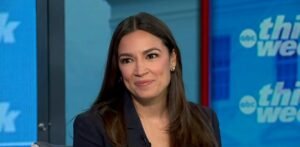
Asked about the post during a Sunday television interview, El-Sayed said he agreed with the basic premise — but gave it a very different meaning.
Rather than focusing on the couples’ appearances or backgrounds, El-Sayed framed the disagreement around economics and family life. He argued that his campaign represents Americans struggling with the cost of groceries, gasoline, healthcare and other basic expenses, while accusing Trump of pursuing policies that primarily benefit wealthy interests. Those claims reflect El-Sayed’s campaign argument and should not be read as independently established conclusions about Trump’s finances.
TRENDING TODAY
The exchange marks the latest escalation in what is quickly becoming one of the country’s highest-profile Senate contests.
El-Sayed, an epidemiologist and former public-health official, won Michigan’s Democratic Senate primary last week after defeating Rep. Haley Stevens. He will face former Republican Rep. Mike Rogers in November for the open seat being vacated by Democratic Sen. Gary Peters.
Michigan is expected to be one of the most consequential Senate battlegrounds of the 2026 midterms. Trump carried the state in the 2024 presidential election, while Democrat Elissa Slotkin narrowly defeated Rogers in that year’s Senate race. Rogers is now making another attempt to win a seat that could play a major role in determining which party controls the Senate.
Trump has moved quickly to define El-Sayed after the Democratic primary.
During a public appearance last week, the president called him a communist and used an expletive while criticizing his politics. El-Sayed rejects that description and has publicly described himself as a capitalist who believes the economic system needs significant reforms.
His campaign platform includes Medicare for All, efforts to reduce the influence of corporate money in politics, expanded affordable housing, higher wages and measures aimed at lowering healthcare and other household costs.
Republicans are taking a much different view. Rogers’ campaign has portrayed El-Sayed as outside Michigan’s political mainstream and is expected to make his progressive policy positions a central issue during the general election.
That contrast is likely to become one of the defining features of the campaign.
El-Sayed appears willing to accept Republicans’ argument that voters face a sharply different choice — while challenging their definition of what makes his candidacy different. Instead of distancing himself from progressive positions, he is emphasizing healthcare, economic inequality and the cost of living as issues he believes can reach voters beyond the Democratic base.
The strategy comes after a competitive Democratic primary that exposed divisions between the party’s moderate and progressive wings.
Former President Barack Obama spoke with El-Sayed following his victory. El-Sayed described the conversation positively and expressed hope that Obama could eventually campaign in Michigan. However, the call should not be treated as a formal Obama endorsement: Obama also contacted Stevens after her primary defeat as Democrats began trying to reunify the party for November.
That distinction matters because the general-election challenge is different from winning a Democratic primary. El-Sayed must now compete for independents, moderates and potentially some voters who previously supported Stevens, while Rogers is openly trying to attract those same groups.
Identity is also becoming part of the political conversation.
El-Sayed is Muslim, and if elected he would become the first Muslim member of the U.S. Senate. Trump and Republican critics have repeatedly emphasized El-Sayed’s full name while attacking his candidacy. El-Sayed argues that opponents are trying to define him through his background rather than his policy positions.
But the larger electoral test will probably come down to issues familiar to Michigan voters: prices, healthcare, jobs, manufacturing, taxes and the direction of the national economy.
That makes Trump’s “very different” framing potentially useful to both sides. Republicans can present El-Sayed as a sharp ideological break from the center, while El-Sayed can use the same contrast to argue that voters have a clear economic choice.
Why It Matters
Michigan could be critical to control of the Senate after the November midterms, making the El-Sayed-Rogers race important well beyond the state.
Trump’s early intervention also signals that Republicans intend to nationalize the race and closely associate El-Sayed with the Democratic Party’s progressive wing. El-Sayed, meanwhile, appears willing to make that contrast central to his campaign rather than run away from it.
For Michigan voters, the race is increasingly shaping up as a debate over healthcare, affordability, economic policy and what each candidate believes government should do for working families.
What Comes Next
El-Sayed and Rogers now enter the general-election campaign with roughly three months to compete for Michigan’s large bloc of independent and swing voters.
Democrats will focus on unifying after a divisive primary, while Republicans are expected to intensify attacks on El-Sayed’s progressive record. Trump’s involvement is also likely to continue as both parties fight over an open Senate seat that could help determine control of the chamber.
Abdul El-Sayed responded to Trump’s “very different Americas” post by saying he agreed that the two represent sharply different visions for the country.
🚨 JUST IN: In a terrifying moment, Abdulrahman Mohamed El Sayed says he spoke to Barack Hussein Obama and said his rise is EXACTLY why he’s running for office
“He knows the critical role Michigan is gonna play in holding Trump accountable.”
Kristen Welker is fawning over this… pic.twitter.com/tRJRVKTP8B
— Eric Daugherty (@EricLDaugh) August 9, 2026