British ministers are working to reassure the Trump administration that the United Kingdom’s planned social media ban for children under 16 is aimed at child safety, not at targeting American technology companies.
Prime Minister Keir Starmer’s government has announced sweeping restrictions that would limit access to major social media platforms for under-16s, including services such as X, Facebook, YouTube, Snapchat and TikTok. The proposal would make the UK one of the most aggressive Western governments in regulating children’s internet use, following similar action in Australia.
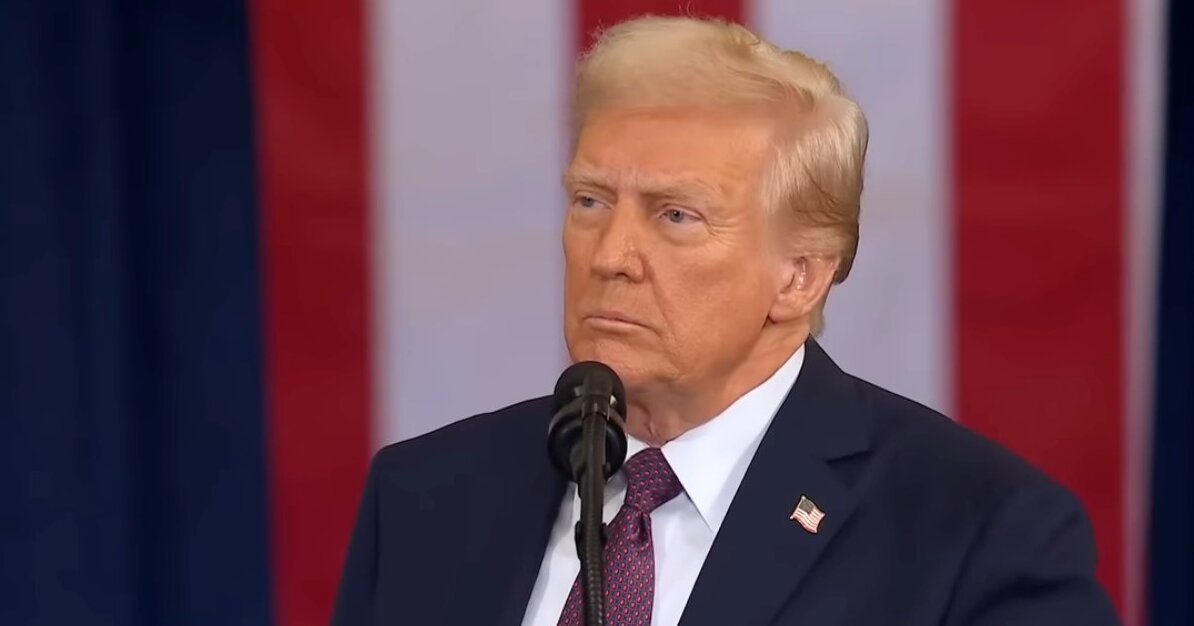
But the plan has also created diplomatic concerns. Many of the platforms affected by the proposal are owned by U.S.-based companies, and British officials are reportedly worried that President Donald Trump could view the policy as an attack on American business interests.
Officials have spent weeks trying to explain the policy to senior figures in Washington, arguing that the measure is designed to protect children in Britain rather than punish U.S. tech firms. One person involved in the effort described the approach as a mix of engaging companies, briefing the U.S. administration and countering criticism in the media.
TRENDING TODAY
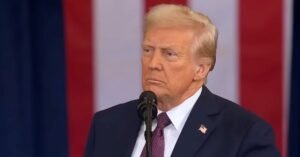

Starmer is expected to discuss the issue with Trump during the G7 summit in Évian-les-Bains. The meeting comes as the UK is already trying to avoid new tension with Washington over technology and trade. Trump has previously threatened the UK with tariffs if it does not drop its digital services tax, making British officials especially cautious about how the social media ban is received.
Asked about the risk of a dispute with Washington, Starmer said world leaders generally understand that governments must act to protect children. He added that he had recently spoken with Trump and would discuss the social media plan and other issues during the summit.
Trump has not publicly commented on the proposal. However, Elon Musk, a close Trump ally and owner of X, criticized the plan, calling it a form of censorship and warning that it could allow the UK government to track users more broadly.
The UK proposal goes beyond a basic social media age limit. Ministers also want to prevent under-16s from livestreaming themselves, stop adults from making unsolicited contact with children on gaming platforms and block children under 18 from interacting with “romantic” chatbots. Some services aimed at children or education, including YouTube Kids, Lego Play and Google Classroom, would be exempt.
Further measures are expected next month, including possible late-night social media curfews for 16- and 17-year-olds. Officials have also suggested that the government may consider rules involving virtual private networks, or VPNs, because young people could use them to bypass age restrictions.
The proposal could significantly affect teenagers’ online lives. Social media is a major source of news, entertainment and communication for many young people, and critics argue that bans could push children toward less regulated parts of the internet.
Starmer, however, has argued that social media is contributing to bullying, harassment and mental health concerns among young people. He said the government’s consultation process persuaded him that stronger action was needed.
Technology Secretary Liz Kendall acknowledged that some teenagers would find ways around the ban, but said the policy was still necessary to change expectations and give parents clearer support. She said the aim was not to create a perfect system, but to reset social norms so younger children do not grow up assuming unrestricted access to social media is automatic.
The proposal has received support from Conservatives, Labour backbenchers and campaign groups focused on children’s safety. Esther Ghey, the mother of murdered teenager Brianna Ghey, welcomed the move and said it could help protect young people.
Still, some experts remain cautious. An independent panel convened by the government reportedly found that the effects of social media on teenagers are complex and can include benefits as well as harms. Tech companies have also warned that blanket bans may isolate teenagers from online communities and drive them to anonymous or less safe platforms.
Enforcement will now become the central challenge. The government has asked Ofcom, the UK media regulator, to develop detailed proposals. Companies could be required to use identification checks, account history, facial recognition tools or other age-verification methods.
Ofcom is expected to make recommendations in the autumn, while Kendall has said she wants the ban introduced as early as possible, potentially in the first months of 2027.
Why It Matters
The UK plan matters because it could reshape how governments regulate children’s access to the internet. If implemented, it would place major new responsibilities on social media companies and could influence similar debates in other countries.
It also risks becoming part of a wider trade and technology dispute between London and Washington. Because many affected platforms are American-owned, the Trump administration may view the restrictions through the lens of business, tariffs and digital regulation.
What Comes Next
Starmer is expected to continue lobbying Trump and other world leaders to frame the proposal as a child protection measure rather than an anti-tech policy.
The next major step will be Ofcom’s enforcement recommendations. Those rules will determine how platforms verify age, how VPN use is handled and whether the ban can be implemented without pushing young users toward riskier online spaces.
A BBC News segment showed school children reacting to the UK government’s proposed social media ban for under-16s.
🚨 WATCH: School children react to the UK social media ban for under-16s live on BBC News pic.twitter.com/BC9NSegMrf
— Politics UK (@PolitlcsUK) June 15, 2026