The U.S. military says it killed three people in a strike on a boat in the eastern Pacific Ocean on Thursday, the latest attack in the Trump administration’s expanding campaign against alleged drug traffickers in Latin America.
According to U.S. Southern Command, the vessel was traveling along what officials described as a known drug-smuggling route. The military said the people on board were suspected of being involved in drug trafficking, but it did not publicly provide evidence that the boat was carrying narcotics.
A video posted online by the military appeared to show a small boat moving through the water before it was hit and burst into flames.
The latest strike brings the reported death toll from the administration’s boat-strike campaign to at least 211 people since early September, when the U.S. began targeting people it has described as “narcoterrorists.”
TRENDING TODAY

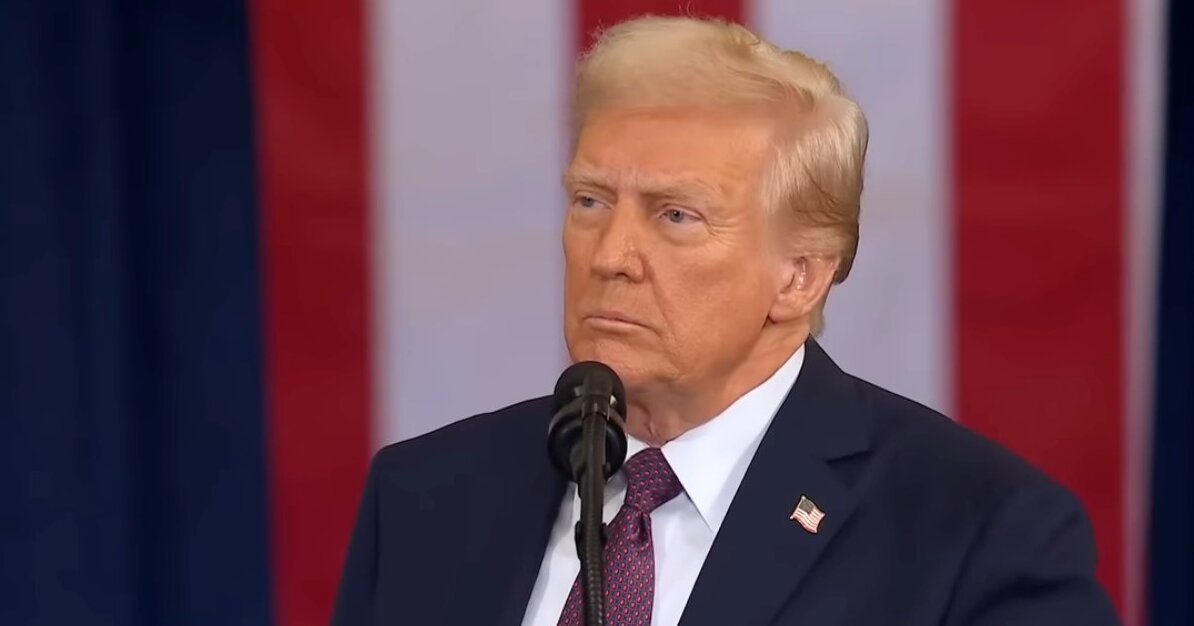
President Donald Trump has argued that the United States is in an “armed conflict” with drug cartels and that military action is necessary to stop the flow of drugs into the country. His administration has framed the strikes as part of a broader effort to fight overdose deaths and disrupt trafficking networks.
Critics, however, have raised serious questions about the legality and effectiveness of the campaign. Some lawmakers and legal experts argue that the administration has not provided enough public evidence to justify deadly military force against boats in the Pacific and Caribbean.
They also question whether the strategy is likely to reduce overdose deaths in the United States. Fentanyl, which is linked to many fatal overdoses, is often trafficked over land from Mexico after being produced with chemicals imported from countries such as China and India. Critics say boat strikes may not directly address that main supply chain.
The campaign has also drawn renewed attention because of a previous strike in September. In that incident, two men reportedly survived an initial attack and were clinging to wreckage when the U.S. struck the vessel again, killing them. The White House said the second strike was carried out in self-defense and was intended to ensure the boat was destroyed.
Some military law experts have disputed that explanation, arguing that a follow-up strike on survivors could violate the laws of armed conflict, depending on the circumstances.
On Thursday, senators demanded that the Pentagon release unedited video of the strikes. Lawmakers have also pressed the administration to explain the evidence used to identify targets, the legal basis for the campaign and the rules governing when deadly force is authorized.
The Pentagon’s inspector general said in May that it would review whether the military followed the proper targeting process during the strikes. That review is expected to focus on the military’s targeting framework, rather than directly determine whether the strikes themselves were legal.
For now, the Trump administration is defending the campaign as a necessary escalation against drug trafficking networks. But the rising death toll and lack of publicly released evidence are increasing pressure on the Pentagon to provide more transparency.
The debate is likely to continue as more lawmakers ask whether these strikes are lawful counter-narcotics operations or an undeclared military campaign with limited oversight.
Why It Matters
The strike matters because it adds to a growing number of deaths in a U.S. military campaign that remains legally and politically controversial. The administration says it is targeting alleged traffickers, but critics argue the public has not seen enough evidence to support the use of lethal force.
The case also raises larger questions about presidential war powers, military transparency and how far the U.S. can go in treating drug trafficking as an armed conflict.
What Comes Next
Lawmakers are expected to keep pressing the Pentagon for unedited footage, legal memos and more information about how targets are selected.
The Pentagon inspector general’s review may also provide more details about whether the military followed its targeting procedures, though broader legal questions may remain unresolved.
U.S. Southern Command released footage of a strike on an alleged drug-trafficking vessel in the eastern Pacific.
U.S. Southern Command releases video of a strike targeting a vessel allegedly tied to narcotics trafficking in the Eastern Pacific.
Officials say the vessel was identified as operating along known drug-trafficking routes and was engaged by Joint Task Force Southern Spear on June… pic.twitter.com/4Yf9XaqBAa
— Fox News (@FoxNews) June 19, 2026