

As streaming platforms continue expanding into live sports, some analysts believe traditional television networks still maintain far more leverage over the NFL than many fans and executives realize.
A recent column discussing the future of sports broadcasting argued that the NFL continues heavily relying on major television partnerships despite the growing presence of companies like Netflix, Amazon and YouTube in live sports streaming.
The report suggested that unless streaming companies dramatically change their long-term strategy and investment approach, traditional TV networks will remain critical to the NFL’s business model and audience reach.
“Put simply, unless streamers change strategy, the NFL still needs the TV networks,” the article stated.
TRENDING TODAY


Over the past several years, streaming services have aggressively pursued sports broadcasting rights as live events remain one of the few forms of programming capable of consistently attracting massive real-time audiences.
Netflix, Amazon Prime Video, Peacock and YouTube have all increased investments in sports-related content, while traditional television companies continue fighting to protect valuable broadcasting deals.
Despite those changes, analysts argue legacy TV networks still provide broader reach, stable advertising revenue and consistent national exposure that streaming platforms have not fully replaced.
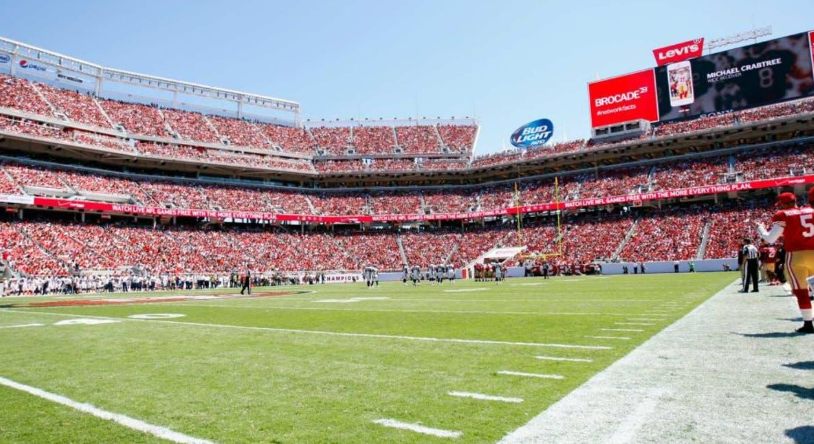
The NFL remains one of the most powerful television products in America, regularly dominating ratings across major broadcast networks during football season.
Experts say that gives traditional networks significant negotiating power even as streaming companies attempt to reshape the future of sports media.
The debate highlights growing competition between old media and digital streaming platforms as both sides battle for control over some of the most valuable broadcasting rights in the entertainment industry.
The NFL has essentially eliminated the need to buy RedZone or Sunday Ticket by adding so many new national windows.
By Sunday afternoon, there are very intriguing games and teams left. The NFL has taken the magic away from Sundays.https://t.co/UaasS3SEBl
— Bobby Burack (@burackbobby_) May 14, 2026





