President Donald Trump’s threat against Oman has exposed an unusual rupture with one of Washington’s quietest and most valuable partners in the Middle East.
The dispute centers on the future of the Strait of Hormuz, the narrow waterway connecting the Persian Gulf to the Arabian Sea.
Roughly one-fifth of the world’s oil supply moves through the strait, making it one of the most important shipping routes on the planet.
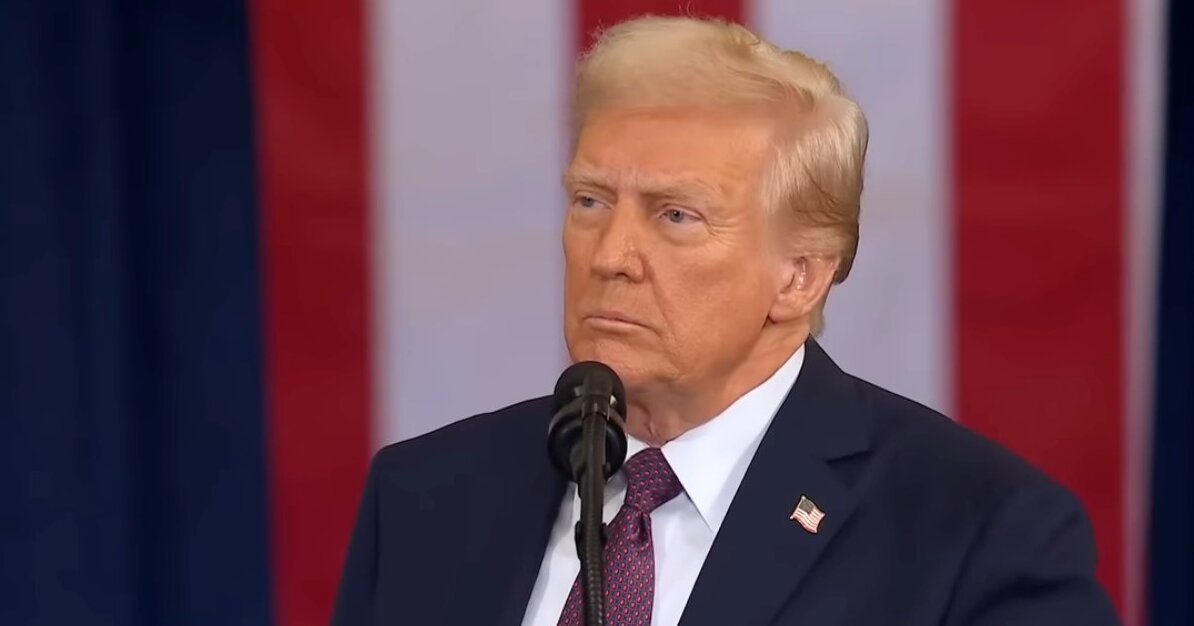
During a Cabinet meeting, Trump said the strait must remain open to everyone and warned that no country should be allowed to control it.
TRENDING TODAY
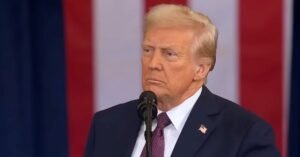

He said the waterway is international and that the United States would monitor it to protect freedom of navigation.
Trump then warned that Oman would have to behave like everyone else or face consequences.
The remarks came amid reports that Iran and Oman have discussed possible tolls, fees or joint management arrangements for the Strait of Hormuz.
The Trump administration strongly opposes any plan that could give Iran influence over the waterway or allow Tehran to profit from shipping access.
Oman occupies the southern side of the Strait of Hormuz and has long played a unique role in the region.
Unlike some Gulf states that take a harder public line against Iran, Oman has maintained relations with Tehran while also preserving close ties with Washington.
That position has made Muscat one of America’s most important backchannels to Iran.
Oman helped facilitate secret U.S.-Iran talks that contributed to nuclear diplomacy and has served as a mediator in other regional disputes, including Yemen and talks involving the Houthis.
Experts say that role has often helped U.S. interests because Oman can speak to actors that Washington cannot easily engage directly.
But Trump’s comments show that Washington is increasingly frustrated with any Omani-Iranian proposal that could alter control over Hormuz.
Analysts warn that a tolling system or joint administration of the strait could create a dangerous precedent for international waterways.
If Iran gained administrative or financial leverage over Hormuz, critics argue other Iran-backed groups could push for similar arrangements elsewhere, including near the Bab al-Mandeb Strait.
Supporters of Oman’s diplomatic approach say Muscat is likely trying to bridge the gap between Iran and Gulf Arab states as the region looks for a way to reopen and stabilize shipping.
Critics argue Oman’s neutrality can sometimes drift too close to Iran’s interests.
Some foreign policy analysts have accused Muscat of being too tolerant of Iranian activity and Houthi-linked networks.
Still, the U.S.-Oman relationship remains deep.
Oman has been a close U.S. partner for decades, offering strategic access, quiet mediation and a relatively stable diplomatic channel in a region often defined by conflict.
That is why Trump’s public warning was so striking.
The dispute reflects the difficult balance facing the administration as it tries to pressure Iran, reopen the Strait of Hormuz and preserve relationships with Gulf partners.
For Trump, the message is that the strait must remain open and free from Iranian control.
For Oman, the challenge is maintaining its mediator role without appearing to help Tehran gain leverage over global shipping.
The controversy shows how the Iran conflict is now testing not only America’s adversaries, but also some of its most important quiet partners.
Why It Matters
The Strait of Hormuz is critical to global oil markets, and any arrangement involving tolls or joint control could affect shipping, energy prices and U.S. freedom-of-navigation policy. Trump’s warning also risks straining ties with Oman, a longtime U.S. mediator between Washington and Tehran.
What Comes Next
The administration is expected to keep opposing any plan that gives Iran control or financial leverage over the Strait of Hormuz. Oman may continue trying to mediate between Iran and Gulf states, but the dispute could complicate its role as a trusted U.S. backchannel.
Trump said any regional deal must protect U.S. interests and keep the Strait of Hormuz open, while warning against arrangements that could give Iran greater leverage.
🇺🇸🇮🇷 Trump on Iran: “We would like to have the countries join the Abraham Accords.
I’m not sure we should make the deal if they don’t sign.”
Then points to Hegseth: “We can make a great deal with this guy. But it’s a lot nastier.”
Diplomacy… or else.pic.twitter.com/7cimc0LLpg https://t.co/maU8Qgihf1
— Mario Nawfal (@MarioNawfal) May 27, 2026