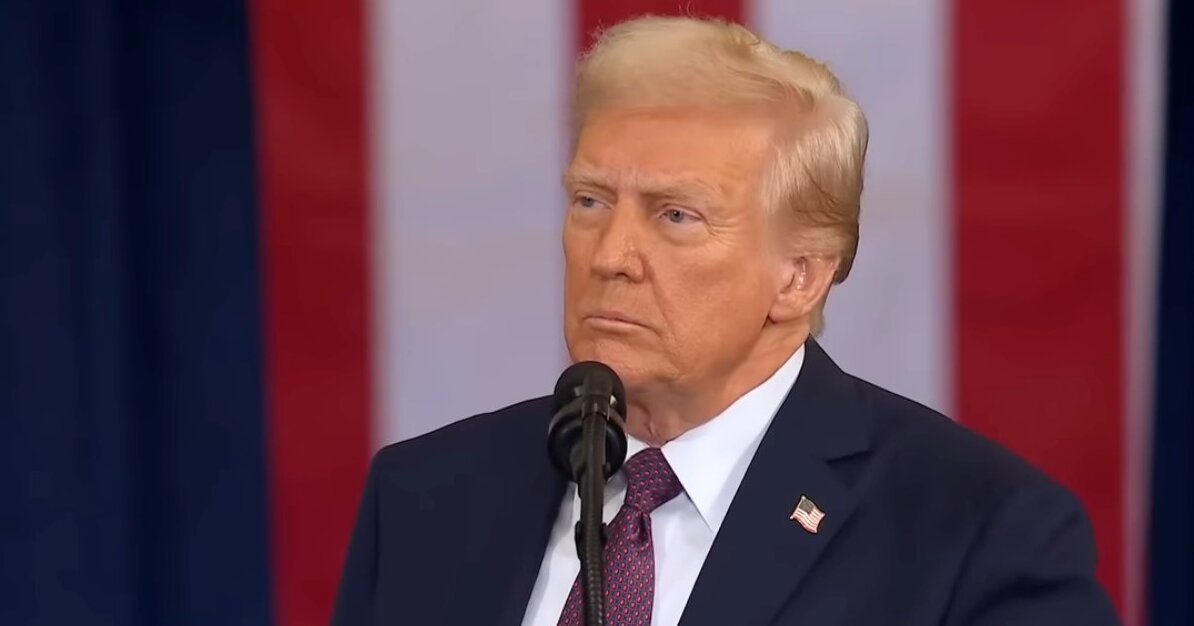
President Donald Trump told Russian President Vladimir Putin that ending the war in Ukraine is vital and that he is prepared to help move diplomacy forward, according to a Kremlin adviser cited by Russian state media and international reports.
The phone call between Trump and Putin reportedly lasted about 55 minutes and came shortly before Trump was expected to travel to the G7 summit in France, where Ukraine is expected to be a major topic of discussion. Kremlin foreign policy adviser Yuri Ushakov described the conversation as “friendly and frank.”
According to Ushakov, Trump emphasized that a cessation of hostilities in Ukraine was important and said he was ready to work with Kyiv and European allies to support a path toward ending the conflict. The White House did not immediately release a detailed readout of the call.
The conversation also touched on Iran. Ushakov said Trump told Putin that U.S.-Iran negotiations were nearing a positive conclusion, with a possible announcement expected soon. That part of the call connects two major foreign policy challenges facing Washington: the war in Ukraine and a possible agreement with Iran after months of conflict and negotiations.
TRENDING TODAY

Putin reportedly used the call to congratulate Trump on his 80th birthday in an informal manner. In a message quoted by Russian outlets, Putin praised what he described as mutual understanding between the two leaders and said he believed U.S.-Russia relations could take on a new quality.
The Ukraine war has now lasted more than four years since Russia launched its full-scale invasion in February 2022. Fighting continues across the front, while diplomatic efforts have repeatedly stalled over issues including territory, security guarantees, sanctions and Ukraine’s future relationship with Europe and NATO.
Trump has long said he wants the war to end quickly, but any peace push faces major obstacles. Ukraine has rejected Russian demands that would require it to give up occupied territory, while Moscow has continued to insist on terms Kyiv and its European partners view as unacceptable.
The timing of the call is important because Ukrainian President Volodymyr Zelenskyy also spoke with Trump ahead of the G7 meeting. According to reporting on that separate call, Zelenskyy discussed the war, diplomatic options and Ukraine’s position on the battlefield. He also thanked the United States for continued military support, including systems such as Javelin anti-tank weapons and Patriot air defenses.
That separate conversation matters because any U.S. effort to help end the war would require Ukrainian participation. Kyiv and European governments have repeatedly warned that no settlement should be imposed on Ukraine without Ukraine’s agreement.
Trump’s outreach to Putin is likely to be interpreted in different ways. Supporters will argue that direct communication with Moscow is necessary to bring the war to an end. Critics will warn that Putin may use talks to buy time, divide Western allies or pressure Ukraine into concessions.
The Kremlin’s account also suggested that Putin blamed Ukraine and European leaders for prolonging the conflict. That framing is sharply disputed by Kyiv and its allies, who say Russia started the war and continues to occupy Ukrainian territory.
The phone call comes as the war remains active on multiple fronts. Ukraine has increased drone strikes against Russian military and energy-related targets, while Russia continues missile and drone attacks against Ukrainian cities and infrastructure. Western governments have also stepped up efforts to enforce sanctions against Russian-linked shipping and energy networks.
The G7 summit may become the next major test of Trump’s Ukraine strategy. If he uses the meeting to push allies toward a new diplomatic framework, European leaders will likely seek clarity on whether the United States is maintaining pressure on Russia or moving toward a compromise that could favor Moscow.
The Iran discussion adds another layer. Trump’s claim that a deal with Tehran is close could affect energy markets, Gulf security and Russia’s own diplomatic calculations. Moscow has ties with Iran, but also has an interest in positioning itself as a major player in any broader settlement affecting the Middle East.
For now, the Trump-Putin call appears to signal renewed diplomatic movement, but not a breakthrough. No ceasefire was announced, no agreement was released and both Russia and Ukraine remain far apart on key terms.
The next step will be whether Trump can turn the conversation into a concrete diplomatic process involving Kyiv, European allies and Moscow — or whether the call becomes another high-profile exchange without a clear path to peace.
Why It Matters
The call matters because the Ukraine war remains one of the biggest global security crises, and any shift in U.S. diplomacy could affect the battlefield, sanctions, European security and NATO unity.
Trump’s willingness to speak directly with Putin may open a diplomatic channel, but it also raises questions about how Washington will balance pressure on Moscow with support for Ukraine’s sovereignty.
What Comes Next
Trump is expected to discuss Ukraine with other world leaders at the G7 summit. Zelenskyy is also expected to remain involved in diplomatic discussions, as Kyiv continues to insist that any peace agreement must include Ukraine’s consent.
The key question is whether the U.S. can create a framework that brings Russia to serious negotiations without weakening Ukraine’s position.
Trump spoke separately with Vladimir Putin and Volodymyr Zelenskyy as the war in Ukraine remained a major focus ahead of the G7 summit.
Russian President Vladimir Putin and Ukrainian President Volodymyr Zelenskyy each spoke by phone with U.S. President Donald Trump on Sunday, as Trump marked his 80th birthday and the war in Ukraine remained a flashpoint ahead of this week’s G7 summit. https://t.co/pWHgrKMNtK
— CBS News (@CBSNews) June 14, 2026