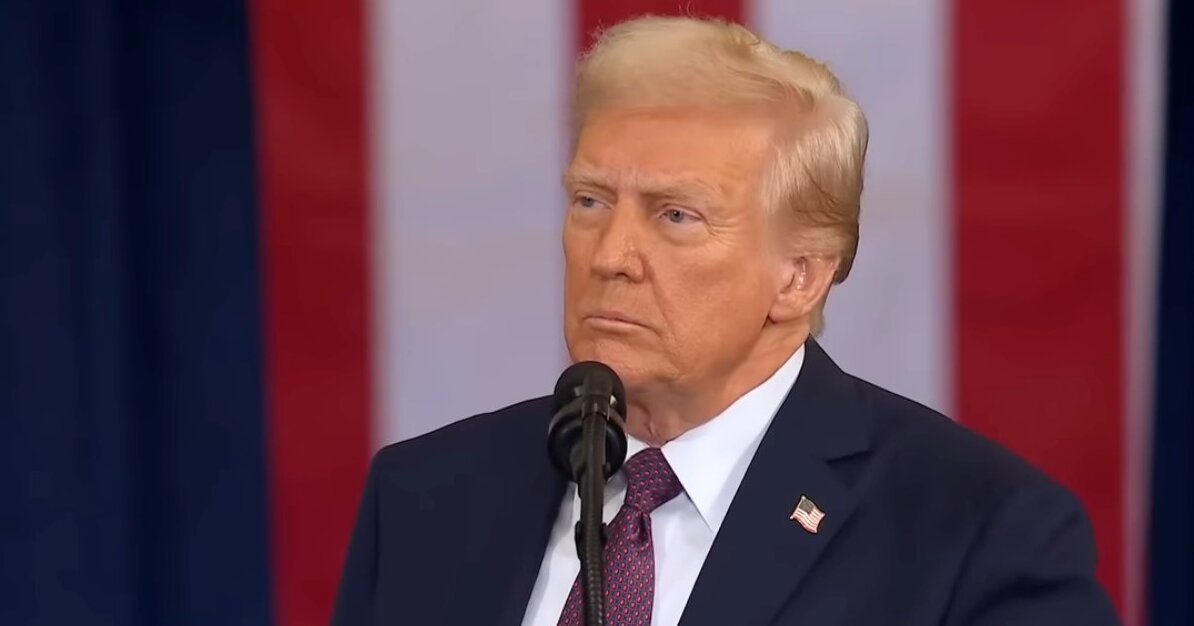
President Donald Trump said Sunday that the United States and Iran have reached a peace agreement that would reopen the Strait of Hormuz and end the U.S. naval blockade of Iranian ports, marking the most significant diplomatic development since the conflict began earlier this year.
Trump announced the agreement on Truth Social, saying the deal was “complete” and declaring that ships would again be allowed to move through the key waterway. The Strait of Hormuz is one of the world’s most important oil transit routes, with a large share of global crude and liquefied natural gas shipments passing through it.
Pakistani Prime Minister Shehbaz Sharif, whose government helped mediate the talks, said a formal signing ceremony is expected to take place Friday in Switzerland. Trump said the strait would reopen upon signing, while also authorizing the removal of the U.S. naval blockade on Iranian ports.
The agreement is expected to halt military operations between the United States and Iran and create a 60-day period for further negotiations on more difficult issues, including Iran’s nuclear program and sanctions relief. Iran’s deputy foreign minister said talks on a broader final agreement would continue during that ceasefire window, according to Reuters.
TRENDING TODAY

The full text of the agreement has not yet been publicly released. That means major details remain unclear, including verification measures, the future of Iran’s enriched uranium stockpile, sanctions timelines and how quickly commercial shipping can fully return through Hormuz.
Trump presented the deal as a major diplomatic achievement, saying it would bring peace and security to the region. He also repeated his position that Iran must not obtain a nuclear weapon.
For now, however, the nuclear issue appears unresolved rather than settled. Reports on the emerging framework indicate that nuclear limits, sanctions relief and frozen Iranian assets are expected to be addressed during follow-up talks. That makes the current agreement a ceasefire and reopening framework, not yet a final comprehensive nuclear settlement.
The market reaction was immediate. Oil prices fell after news of the agreement, as traders expected that the reopening of Hormuz could reduce pressure on global energy supplies. Brent crude and U.S. oil futures both dropped as the geopolitical risk premium tied to the strait began to ease.
Still, analysts warned that shipping may not return to normal instantly. Insurers, tanker operators and energy companies will likely wait for confirmation that the ceasefire is holding, mines or maritime hazards are cleared and military risks in the Gulf are reduced.
The conflict had placed severe pressure on global energy markets. The Strait of Hormuz had become a central flashpoint because any disruption there can affect oil prices worldwide. The U.S. blockade of Iranian ports and Iran-linked threats to shipping had raised costs for consumers, businesses and governments far beyond the Middle East.
The deal also includes regional implications. Pakistani officials said the ceasefire would apply across multiple fronts, including Lebanon, where Iran-backed Hezbollah has been involved in conflict with Israel. Details on how that part of the agreement would be enforced have not yet been made public.
Israel’s position remains another key question. The conflict between Israel and Iran escalated sharply last year after Israeli strikes on Iranian targets, followed by U.S. action against Iranian nuclear facilities. Any durable agreement will likely depend on whether regional allies and Iranian-backed groups follow the ceasefire terms.
Trump’s announcement follows days of conflicting signals. The president had repeatedly said a deal was close, while Iranian officials had been more cautious about the timing and details. Earlier reports suggested that Tehran wanted sanctions relief and access to frozen assets as part of any broader settlement.
The Friday signing in Switzerland will now become the next major test. If the parties sign as expected and shipping begins to normalize, Trump will be able to claim a major foreign policy breakthrough. If the deal stalls before signing or the ceasefire breaks down, the announcement could become another flashpoint in an already volatile conflict.
For now, the agreement appears to create a pause in fighting, a pathway to reopen one of the world’s most important shipping lanes and a framework for more difficult negotiations over Iran’s nuclear program.
Why It Matters
The deal matters because the Strait of Hormuz is a critical route for global oil and gas shipments. Reopening the waterway could ease pressure on energy markets and reduce the risk of a wider regional war.
It also gives the Trump administration a chance to turn a military confrontation with Iran into a diplomatic process. But the most difficult issues — Iran’s nuclear program, sanctions relief, frozen assets and regional proxy forces — still appear to be unresolved.
What Comes Next
A formal signing ceremony is expected Friday in Switzerland. After that, the United States and Iran are expected to begin a 60-day negotiation period focused on nuclear limits, sanctions relief and implementation details.
Markets, regional governments and shipping companies will be watching closely to see whether the ceasefire holds and whether traffic through the Strait of Hormuz can safely resume.
Trump said the U.S. and Iran had reached an agreement to reopen the Strait of Hormuz and lift the naval blockade, while further talks are expected to address nuclear and sanctions details.
🚨BREAKING: TRUMP HISTORIC! IRAN DEAL IS COMPLETE!
Strait of Hormuz is now WIDE OPEN.
Naval blockade lifted.
Let the oil flow! Futures markets are already reacting!
Peace on 47’s birthday and Ukraine is NEXT!🔥🔥
HT @EricLDaugh pic.twitter.com/kpfQlRk0NE
— Commentary Donald J. Trump Posts From Truth Social (@TrumpDailyPosts) June 14, 2026