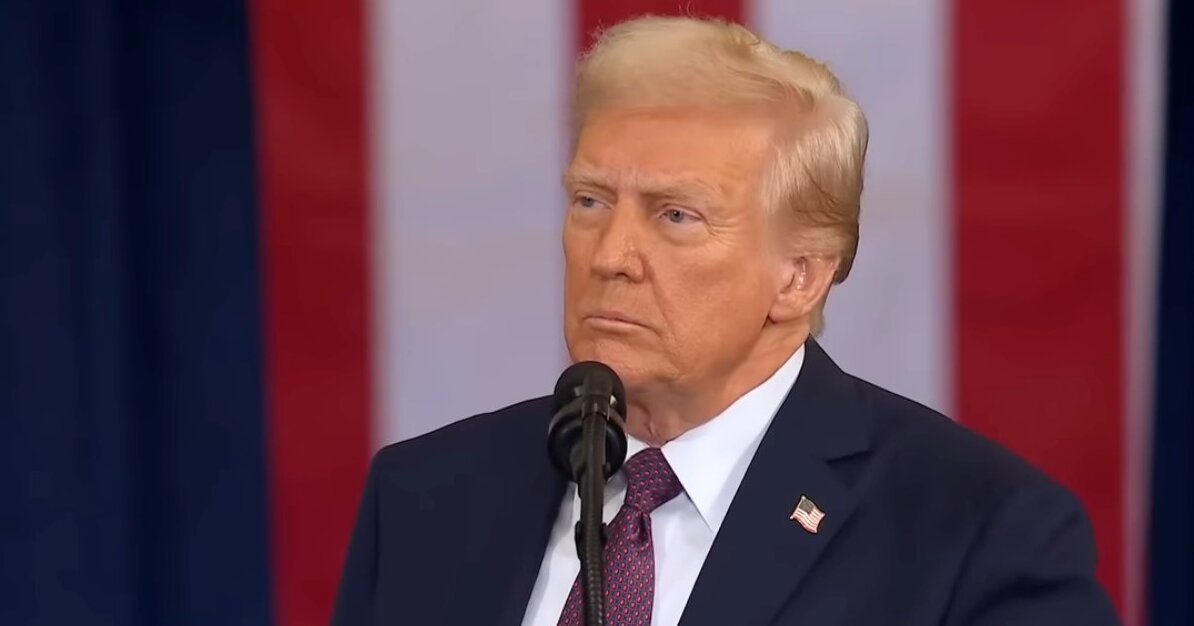
President Donald Trump has announced that Republicans will hold a national midterm convention in Dallas this September, an unusual move designed to energize GOP voters before a high-stakes election that could determine control of Congress.
The two-day event is scheduled for September 9 and 10, months before voters decide whether Republicans keep their narrow majorities in the House and Senate. Trump announced the plan on Truth Social, calling the gathering a historic event and saying it would celebrate what he described as his administration’s achievements.
National party conventions are normally held during presidential election years, when parties formally nominate their candidates and introduce their platform to voters. A midterm convention breaks from that tradition and signals how strongly Trump and Republican leaders want to nationalize the 2026 elections around his record, his agenda and his political brand.
For Republicans, the goal is clear: turnout. Midterm elections often bring lower participation than presidential races, and the president’s party has historically faced losses when voters use the election to express frustration with the White House. By holding a major convention-style event, Trump is trying to give GOP voters a reason to stay engaged, even though his name will not be on the ballot.
TRENDING TODAY

The convention is expected to highlight Trump’s “America First” agenda, including taxes, immigration, energy, public safety and the economy. Republican officials are likely to frame the event as a celebration of policy wins and a warning that Democrats could block Trump’s agenda if they take control of either chamber of Congress.
That political risk is real. If Democrats win the House or Senate, they would gain more power to slow legislation, influence spending fights and launch investigations into the administration. For Trump, keeping Congress in Republican hands would make it much easier to continue pushing his second-term priorities.
Choosing Dallas also carries political meaning. Texas remains a Republican-leaning state, but it is home to several competitive races and has become central to the GOP’s midterm strategy. The state’s Senate race between Republican Ken Paxton and Democrat James Talarico is already drawing national attention, with recent polling showing a close contest. Holding the convention in Texas puts a spotlight on a race Republicans cannot afford to ignore.
The Dallas location also connects to broader battles over redistricting, turnout and the future of Republican strength in the state. Democrats have not won a statewide race in Texas in decades, but even a close contest could force Republicans to spend more money and political energy defending territory they once considered safe.
For ordinary voters, the convention may become more than a party event. It could help define the messages they hear through the final weeks of the campaign: the economy, immigration, crime, taxes and whether the country should continue moving in Trump’s direction or put a check on his power.
Democrats are taking a different approach. Party officials have indicated they do not plan to hold a similar midterm convention, choosing instead to focus resources on state and local organizing. That contrast shows two different strategies: Republicans are building a national Trump-centered event, while Democrats are trying to strengthen campaigns closer to the ground.
The biggest question is whether a midterm convention can actually change voter behavior. It may excite Trump’s base and create several days of media coverage, but it could also make vulnerable Republicans more closely tied to Trump in districts where he is unpopular. That creates both opportunity and risk for the GOP.
If the event is successful, Republicans could use it to unify their message and boost turnout heading into November. If it becomes too centered on Trump personally, Democrats may use it as evidence that GOP candidates are more focused on loyalty to the president than on local issues affecting voters.
Either way, the Dallas convention shows that Trump intends to treat the midterms like a national referendum on his presidency.
Why It Matters
The convention matters because control of Congress will determine how much power Trump has during the final two years of his second term. A Republican Congress could help advance his agenda, while Democratic control of either chamber could lead to gridlock, investigations and stronger oversight.
It also matters for voters because the midterms will shape decisions on taxes, immigration, energy, spending, health care and the economy. The Dallas event is an attempt to make those races feel like one national choice rather than hundreds of separate local elections.
What Comes Next
Republicans are expected to release more details about the convention program, speakers and campaign strategy in the coming weeks. Trump is likely to use the event to frame the midterms around his record and warn voters about what Democratic control of Congress would mean.
Democrats, meanwhile, are expected to respond by focusing on local races, economic concerns and vulnerable Republican candidates. The real test will come in November, when voters decide whether Trump’s national convention strategy helped the GOP hold power or gave Democrats a clearer target.
Trump and Republican allies are framing the Dallas gathering as a major push to boost GOP turnout ahead of the midterm elections.
🚨 WOW! President Trump announces the first-ever Republican Party MIDTERM CONVENTION, 2024-style in Dallas, Texas
Time to surge turnout!
“Dallas will take center stage on September 9th and 10th as we celebrate our Nation, our achievements, and our bright future. THE GOLDEN AGE… pic.twitter.com/HGmhhtKLOp
— Eric Daugherty (@EricLDaugh) June 30, 2026