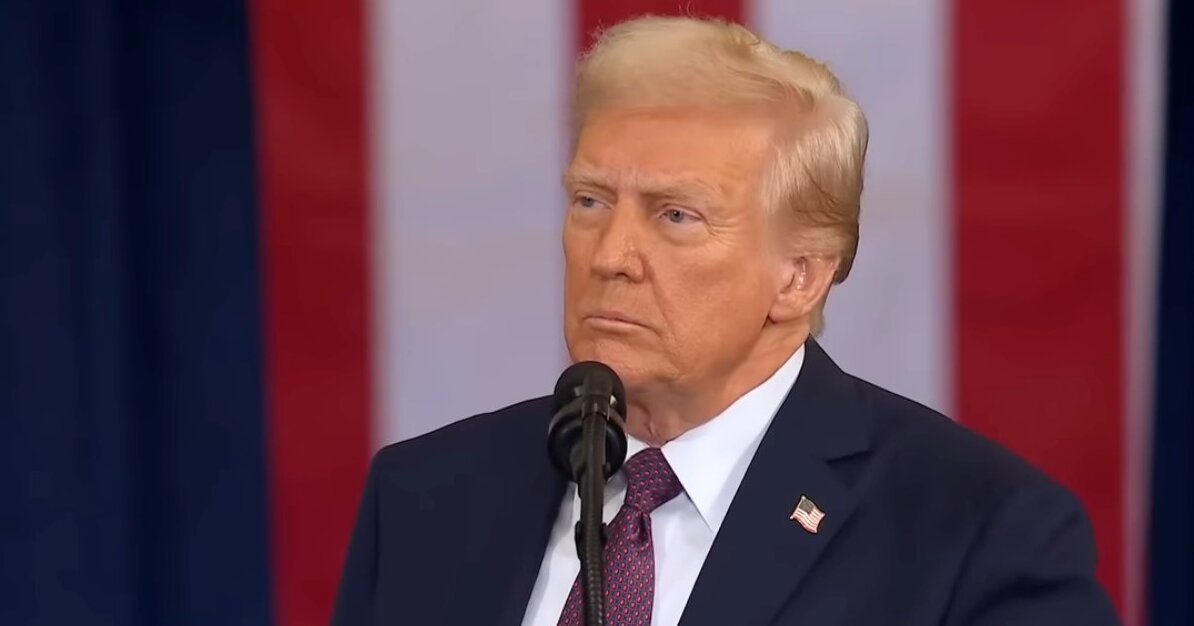
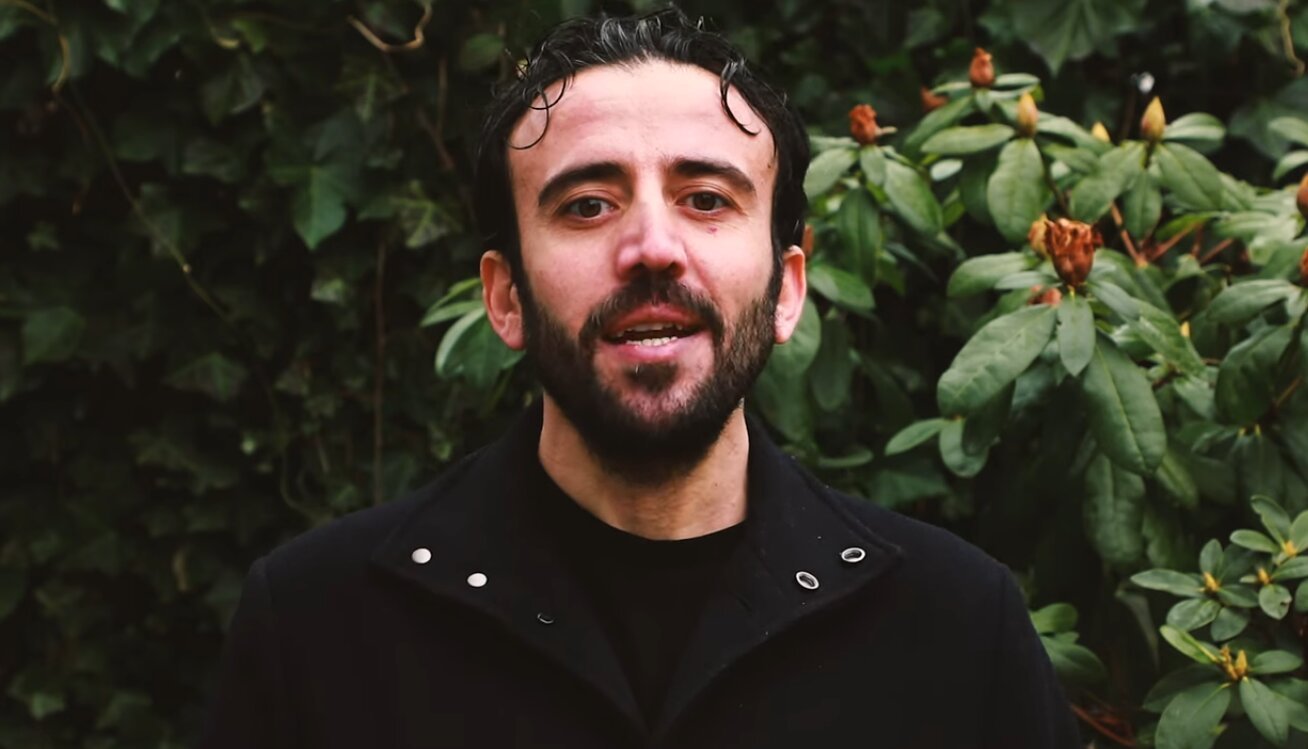
Far-right lawyer and millionaire businessman Abelardo de la Espriella has won Colombia’s presidential runoff, narrowly defeating left-wing senator Iván Cepeda in one of the country’s most polarized elections in years.
With nearly all ballots counted in the preliminary tally, De la Espriella had 49.66% of the vote, while Cepeda had 48.70%, according to Colombia’s national registrar. The margin was roughly 250,000 votes, far tighter than many expected and narrow enough to fuel immediate disputes from the left.
Cepeda did not fully concede based on the preliminary count, saying his campaign would wait for the official scrutiny process. Outgoing President Gustavo Petro also questioned the preliminary result and said no winner should be declared until the final review is complete. Neither Petro nor Cepeda immediately presented public evidence proving fraud, but Cepeda said his legal team would challenge results from thousands of polling stations.
De la Espriella, who was endorsed by President Donald Trump after the first round, celebrated the result as a mandate for a new direction. In a victory speech in Barranquilla, he promised to respect the constitution and govern for all Colombians, including those who voted against him.
TRENDING TODAY


His win marks a sharp political turn after four years under Petro, Colombia’s first left-wing president. Petro was barred from seeking re-election and backed Cepeda as his successor. The result is also being viewed as part of a wider rightward shift across Latin America, where voters in several countries have recently backed conservative or hard-right candidates promising stronger security and pro-business reforms.
Security dominated the Colombian campaign. Although violence remains below the extreme levels seen before the 2016 peace agreement with most of the Revolutionary Armed Forces of Colombia, the country has faced renewed pressure from armed groups, drug-trafficking networks and dissident factions.
De la Espriella campaigned on an iron-fist approach. He has promised to end Petro’s “total peace” strategy of negotiating with criminal and armed groups and instead return to a more aggressive security policy. His proposals include building maximum-security “mega-prisons,” expanding military pressure on criminal groups and seeking closer cooperation with the United States.
That shift could reshape Colombia’s relationship with Washington. Trump congratulated De la Espriella, while Secretary of State Marco Rubio said the U.S. looks forward to working with the incoming government on regional security, illegal immigration and economic ties.
Cepeda’s supporters warn that a hardline strategy could deepen violence and undermine the fragile legacy of Colombia’s peace process. They argue that Colombia’s conflict cannot be solved only through military force because armed groups are tied to drug trafficking, illegal mining, rural poverty and weak state presence.
De la Espriella’s supporters argue that years of negotiations have failed to stop armed groups from expanding and intimidating communities. They say Colombia needs a president willing to restore state authority and confront criminal organizations more forcefully.
The new president will face serious constraints. He is expected to take office on Aug. 7 with a divided country and a minority in Congress. That could make it difficult to pass major reforms, including his plan to shrink the state and overhaul security policy.
For now, Colombia is waiting for the official scrutiny process to confirm the final result. But the preliminary outcome already points to a major political shift: voters have moved away from Petro’s peace-focused left-wing project and toward a Trump-aligned conservative promising order, confrontation and a closer relationship with the United States.
Why It Matters
De la Espriella’s victory matters because it could transform Colombia’s security strategy and foreign policy. His win signals a move away from negotiations with armed groups and toward tougher military pressure, while also placing Colombia more firmly within the regional rightward shift backed by Trump-aligned conservatives.
What Comes Next
Colombia’s official vote scrutiny process is expected to continue before the final result is formally certified. If confirmed, De la Espriella will take office on Aug. 7 and face immediate pressure to address violence, drug trafficking, congressional opposition and a deeply divided electorate.
De la Espriella told supporters that Colombians had placed their trust in results rather than speeches, as his campaign celebrated the preliminary runoff victory.
“A quienes no votaron por mí, quiero decirles que esta también es su victoria (…) Mi propósito será ganarme su confianza con resultados, no con discursos”: @ABDELAESPRIELLAhttps://t.co/gy1K2b7UCc pic.twitter.com/IMagjW3urU
— Revista Semana (@RevistaSemana) June 22, 2026
🚨BREAKING: Massive celebrations ERUPT across Colombia after right-wing populist Abelardo de la Espriella crushes socialist tyrant Iván Cepeda
Socialism must be killed. 🇨🇴 pic.twitter.com/r2CmCHbNHt
— Inevitable West (@Inevitablewest) June 22, 2026