The Trump administration is stepping up visa enforcement against alleged “birth tourism” schemes, targeting foreign nationals and companies accused of helping pregnant visitors obtain U.S. visas for the primary purpose of giving birth on American soil.
The State Department recently said it disrupted a suspected birth tourism network in West Africa involving more than 100 foreign nationals. According to U.S. officials, applicants allegedly used false documents and assistance from so-called “fixers” to obtain visitor visas and travel to the United States. The alleged goal was to give birth in the U.S. so their children would be treated as American citizens under birthright citizenship rules.
Officials said the West Africa case was not isolated. The State Department also reported identifying more than 400 suspected birth tourism cases linked to Europe since 2024. Those cases were reportedly connected to at least six companies accused of coaching applicants on what to say during visa interviews, arranging housing and helping plan deliveries in the United States.
The administration said visas connected to the alleged scheme were revoked and that U.S. officials are working with local authorities to identify similar operations. The State Department described a U.S. visa as a privilege, not a right, and said it is taking action to prevent abuse of the immigration system.
TRENDING TODAY

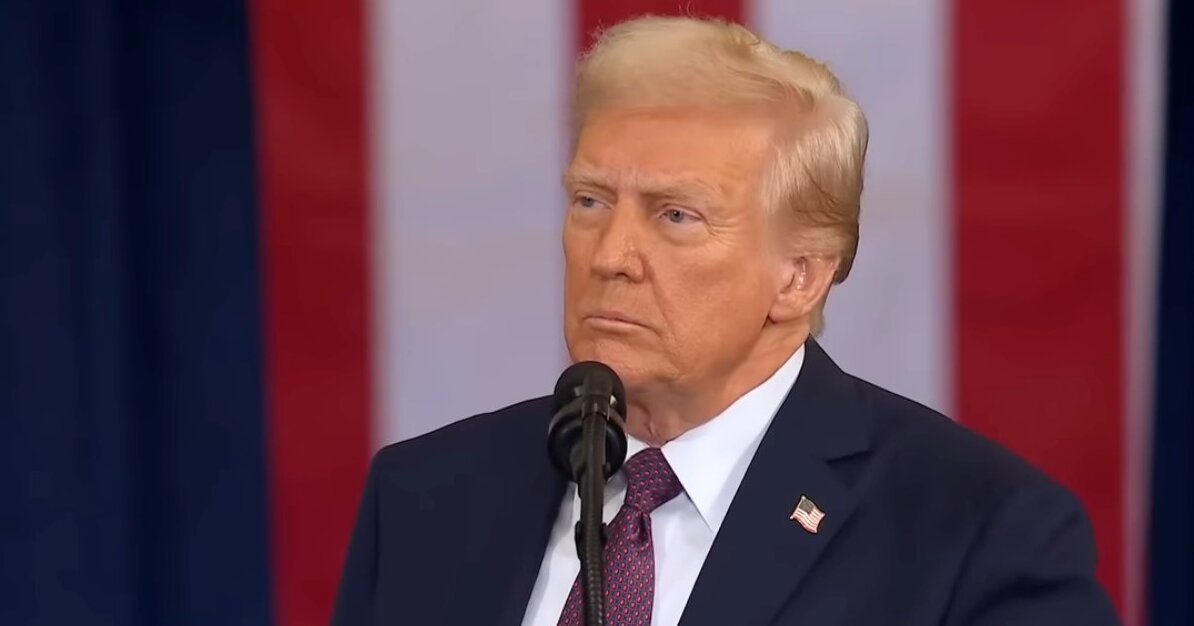
The renewed enforcement push comes as President Donald Trump continues to criticize birthright citizenship and immigration policies he argues are being exploited. In 2025, Trump signed an executive order seeking to narrow which children born in the United States are automatically treated as citizens. That order has faced legal challenges, and the broader constitutional debate remains unresolved in the courts.
Separately, the State Department already had a rule in place from Trump’s first term. In 2020, the department amended B visa regulations to instruct consular officers to deny visitor visa applications when they have reason to believe the applicant’s primary purpose is traveling to the United States to give birth and obtain U.S. citizenship for the child.
Administration officials argue that birth tourism creates costs for taxpayers and raises national security concerns. White House spokesperson Anna Kelly told Fox News Digital that the Trump administration is working to end the practice and bring the United States closer to the policies of many other countries.
Supporters of stricter enforcement say birth tourism often depends on visa fraud. Ira Mehlman of the Federation for American Immigration Reform told Fox News Digital that people who hide their intent to give birth in the U.S. when applying for a visa may be committing fraud. He argued that the availability of automatic birthright citizenship creates an incentive for some applicants to misrepresent their travel plans.
However, the issue is legally and politically complicated. It is not illegal for a pregnant foreign national to visit the United States, and U.S. guidance recognizes that applicants may travel for medical treatment or other legitimate reasons. The legal concern arises when officials believe the primary purpose of the trip is to give birth in the U.S. to obtain citizenship for the child, especially if the applicant allegedly misrepresents that purpose during the visa process.
Birth tourism cases have appeared in several parts of the country in recent years. Federal prosecutors in California previously secured convictions connected to companies accused of helping foreign nationals travel to the U.S. to give birth. More recently, Texas Attorney General Ken Paxton sued a Houston-area postpartum center accused of facilitating more than 1,000 births for mainly Chinese clients. House Oversight Republicans have also launched inquiries into U.S.-based companies allegedly advertising birth tourism-related services.
Some immigration enforcement advocates are now urging federal authorities to look beyond visa applicants and examine the companies, housing providers and medical service networks that allegedly support these operations. Mehlman argued that hospitals and domestic service providers may become part of future scrutiny if investigators believe they knowingly helped facilitate fraudulent schemes.
The administration’s latest action suggests that visa enforcement will remain a central tool in its broader immigration agenda. But the outcome may depend on how officials distinguish between legitimate medical travel, lawful pregnancy-related visits and alleged fraud-based birth tourism operations.
Why It Matters
The crackdown highlights a growing immigration debate over where visa enforcement ends and birthright citizenship policy begins. Supporters of the administration’s approach argue that birth tourism exploits the visa system and creates unfair costs. Critics of broader birthright citizenship restrictions argue that the Constitution protects citizenship for children born in the United States and warn against policies that could create legal uncertainty for families.
The issue also matters for hospitals, travel companies and service providers. If federal agencies expand investigations into alleged support networks, businesses that assist foreign patients could face closer scrutiny.
What Comes Next
The State Department is expected to continue reviewing visa applications for signs of alleged birth tourism and may revoke visas when officials believe applicants misrepresented their travel purpose.
Congressional Republicans may also push for more investigations into companies accused of marketing birth tourism services. At the same time, legal challenges over Trump’s 2025 birthright citizenship order will continue shaping the broader national debate.
A social media post highlighted the State Department’s reported visa revocations tied to the alleged birth tourism crackdown.
Marco Rubio’s State Department just carried out a MASSIVE birthright citizenship scam bust in Africa and Europe
Visas are now being REVOKED, and the birth scams are being shut down 👏🏻
The Supreme Court should do the right thing, step in and END it once and for all. pic.twitter.com/56iOWGFvYJ
— James A Stamulis (@stamulis_james) June 14, 2026