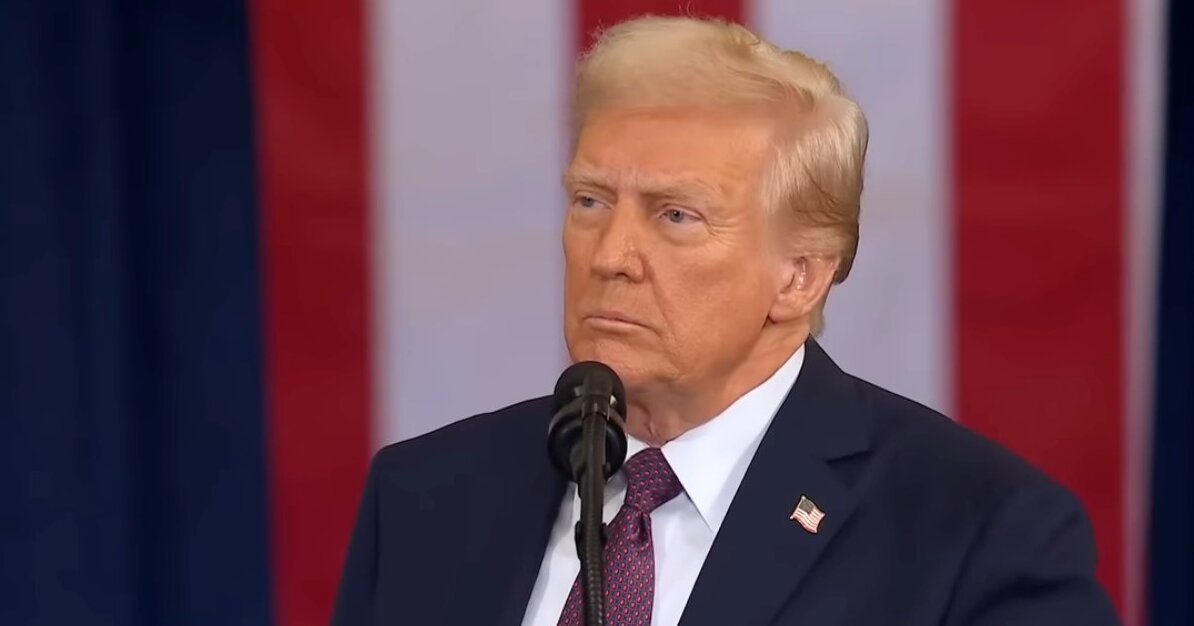
Health and Human Services Secretary Robert F. Kennedy Jr. is facing criticism from public health advocates after sending a letter to a scientific journal that removed a paper suggesting a possible link between vaccines and sudden infant death syndrome.
The journal, Toxicology Reports, removed the 2021 paper this spring after editors concluded that it contained serious methodological problems and could pose risks to public health if its findings were applied in clinical practice. The paper relied on reports from the federal Vaccine Adverse Event Reporting System, known as VAERS, to argue that patterns in reported infant deaths were “highly suggestive” of a causal relationship between vaccination and sudden infant death syndrome, or SIDS.
Kennedy posted his letter to the journal on X, saying the decision to remove the paper was “of great interest” to him. In the letter, he asked the journal’s editor to explain how the decision was made and requested answers to several questions by June 25. Among other things, Kennedy asked the journal to identify the experts involved in reviewing the paper.
The move quickly drew criticism from vaccine experts and public health advocates, who argued that Kennedy may be using his position as health secretary to pressure a private scientific publisher over an editorial decision. Dorit Reiss, a vaccine law expert at UC Law San Francisco, wrote on X that if Kennedy was attempting to use his office to “bully” a journal, he was approaching a serious free speech concern.
TRENDING TODAY

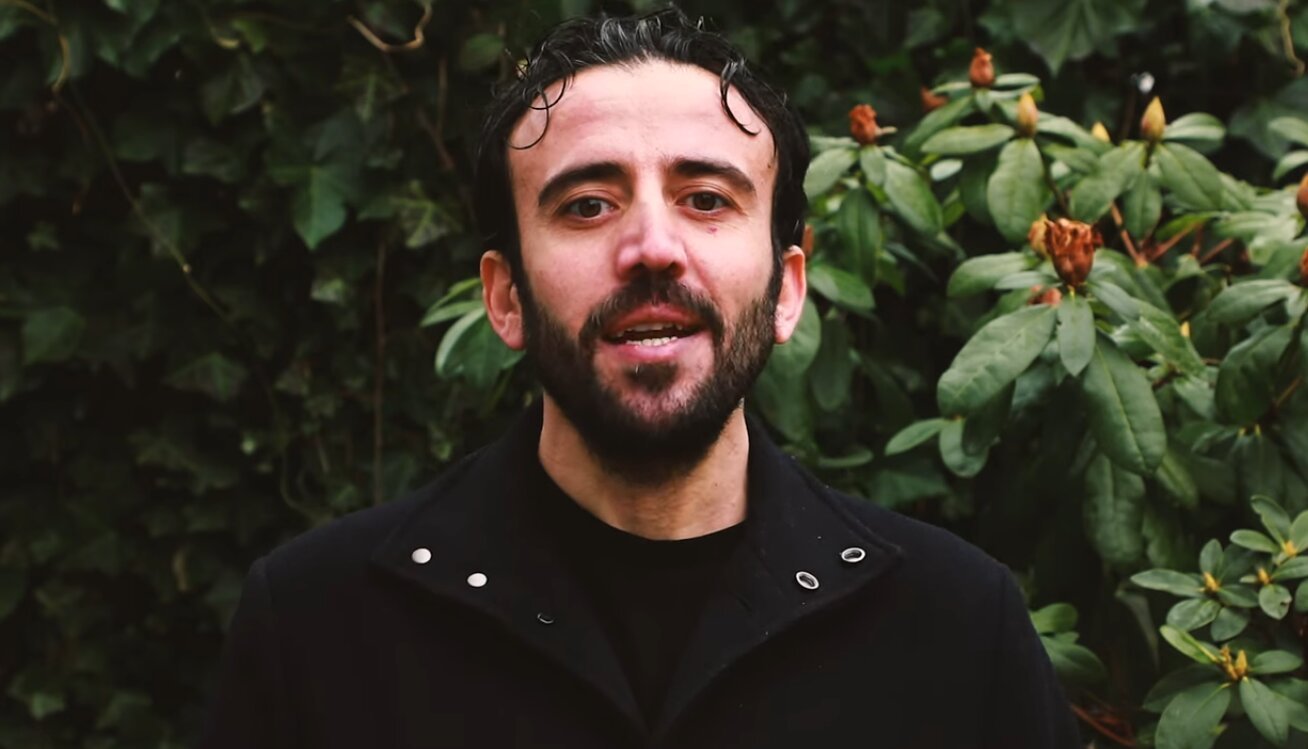
Dr. David Gorski, a surgical oncologist and longtime critic of the anti-vaccine movement, also accused Kennedy of putting pressure on the journal. Gorski argued that the situation raised questions about whether government authority was being used to influence scientific publishing.
The Department of Health and Human Services pushed back on that criticism. An HHS official said Kennedy did not order the journal to publish, retract or revise any article. The official argued that asking questions about the decision-making process is not censorship or coercion, and said the department supports accountability and open scientific inquiry.
The dispute centers on a paper written by Neil Z. Miller, a longtime vaccine critic who is not a medical scientist. The paper used VAERS data to examine reports of SIDS after vaccination. Critics have argued that the paper misused the database because VAERS is designed as an early warning system, not as proof that a vaccine caused a reported medical event.
VAERS allows anyone to submit a report about a health event that happened after vaccination. Such reports can help officials detect possible safety signals that may require further study, but they do not automatically establish causation. Public health experts have repeatedly warned that drawing firm conclusions from VAERS reports alone can be misleading.
Elsevier, the publisher of Toxicology Reports, previously said the paper was removed after careful review and consultation with relevant experts. The publisher said the conclusions and recommendations in the paper could potentially create risks for public health and patient care.
Miller has defended his work and opposed the removal. He has argued that the journal did not clearly identify the methodological flaws it cited and said controversial findings should not be removed simply because they challenge consensus views.
The controversy comes at a time when Kennedy’s leadership of federal health agencies is already under close scrutiny. His past statements on vaccines and his role in shaping vaccine-related policy have made him a polarizing figure in public health debates. Supporters say he is pushing for more transparency and stronger scrutiny of scientific claims. Critics argue that his actions could undermine public confidence in vaccines and place pressure on scientific institutions.
The latest dispute is not only about one removed paper. It also raises a broader question: how should government officials interact with independent scientific journals when they disagree with editorial decisions?
Scientific publishers regularly correct, retract or remove papers when they believe the research is flawed or potentially harmful. At the same time, authors and public officials may argue that journals should be transparent about why decisions are made, especially when a paper touches on a major public health controversy.
For now, the journal has not publicly answered Kennedy’s letter. The response, if one comes, could become the next stage in a growing fight over vaccines, scientific publishing and the limits of political pressure.
Why It Matters
The dispute matters because it sits at the intersection of public health, scientific independence and government power. If journals believe research is flawed, they are expected to correct the record. But when a cabinet official demands answers from a private publisher, critics worry that it could be seen as political pressure.
The issue is especially sensitive because vaccine safety debates can affect public behavior. Public health experts warn that misleading claims about vaccines and infant deaths could lower vaccine confidence, while Kennedy’s supporters argue that transparency is necessary to restore trust.
What Comes Next
The key question is whether Toxicology Reports or Elsevier will respond publicly to Kennedy’s letter before the June 25 deadline.
HHS may continue to frame the matter as a transparency issue, while public health advocates are likely to watch for signs that federal officials are pressuring journals or researchers. The controversy could also add to broader congressional and legal debates over Kennedy’s handling of vaccine policy.
Kennedy shared the letter publicly and said he was seeking an explanation for why the vaccine-related paper was removed.
I sent this letter to the Editor-in-Chief of Toxicology Reports demanding a full explanation for the removal of a published article examining vaccines and sudden infant death.
Americans have a right to know why scientific papers are removed, who made those decisions, what… pic.twitter.com/RJnEATE8ri
— Secretary Kennedy (@SecKennedy) June 15, 2026