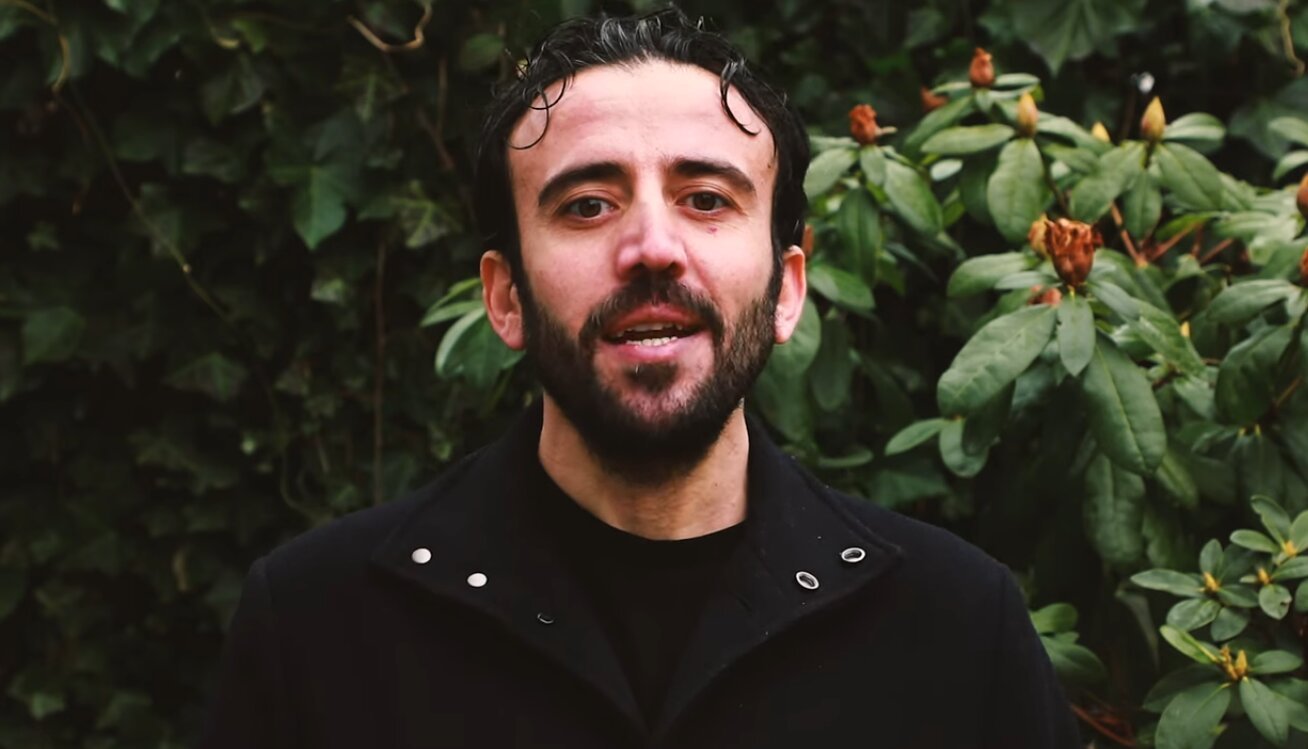
Rex Heuermann, the New York architect who admitted to killing eight women in the Gilgo Beach serial murder case, is set to be sentenced in Riverhead, New York, bringing one of Long Island’s most haunting criminal cases closer to a legal conclusion.
Heuermann, 63, pleaded guilty in April to the murders of seven women and admitted to killing an eighth victim as part of a plea agreement. Prosecutors say the killings spanned decades and targeted young women, many of whom were sex workers who had arranged to meet him.
At sentencing, Heuermann is expected to receive multiple consecutive life sentences, along with additional prison terms that will ensure he spends the rest of his life behind bars. The hearing is also expected to include victim impact statements from relatives of the women he killed.
Suffolk County District Attorney Ray Tierney, whose office prosecuted the case after Heuermann’s 2023 arrest, said the hearing would finally give the victims’ families a chance to speak directly in court. For years, the case was defined by unanswered questions, delayed breakthroughs and public attention on the investigation. Sentencing will shift the focus back to the women who were killed and the families left behind.
TRENDING TODAY


Heuermann admitted to the murders of Melissa Barthelemy, Megan Waterman, Maureen Brainard-Barnes, Amber Lynn Costello, Jessica Taylor, Valerie Mack and Sandra Costilla. He also admitted to killing Karen Vergata, whose death was not formally charged as part of the plea agreement.
The Gilgo Beach case began receiving national attention after remains were found along Long Island’s South Shore during a search connected to the disappearance of Shannan Gilbert. The discovery of multiple sets of remains near Gilgo Beach in 2010 and 2011 led investigators to believe they were dealing with a serial killer, though the case remained unsolved for years.
A major break came after investigators revisited older evidence. Authorities linked Heuermann to the case through a combination of cellphone records, vehicle information and DNA evidence. A distinctive pickup truck reportedly became important after a witness connected it to one of the victims. Investigators later used DNA from a pizza box discarded by Heuermann and compared it with evidence tied to the victims.
The investigation eventually expanded beyond the women initially known as the “Gilgo Four.” Prosecutors linked Heuermann to additional victims whose remains had been found in other areas of Long Island, broadening both the timeline and the scope of the case.
The sentencing is expected to be emotional. Victims’ attorney Gloria Allred, who represents several families, said the public will hear about who the women were, the lives they had and the pain their families have carried for years.
Heuermann’s defense attorney has also acknowledged that the hearing will likely be difficult, saying the families have waited decades for this moment. Heuermann will have an opportunity to address the court, though it is not yet clear whether he will speak.
His estranged wife, Asa Ellerup, and their daughter are not expected to attend. Through an attorney, Ellerup said she did not want her presence to distract from the purpose of the proceeding and that her thoughts remained with the victims and their loved ones.
For the families, the sentencing may bring a measure of legal closure, but it cannot undo the years of uncertainty. Some waited more than two decades to learn what happened to their loved ones. Others endured years of public speculation before prosecutors finally named Heuermann as responsible.
The case also raised broader questions about how missing women, especially sex workers, are investigated and remembered. Advocates have long argued that vulnerable victims are too often dismissed or treated as less urgent by institutions and the public.
Heuermann’s sentencing will not erase those questions. But it will mark the end of the criminal case against the man who admitted to killing eight women and hiding the truth for years.
Why It Matters
The sentencing matters because it gives victims’ families a long-awaited opportunity to speak in court after decades of grief and unanswered questions. The case haunted Long Island for years and became one of the most closely watched serial murder investigations in the country.
It also matters because the victims’ identities and stories risked being overshadowed by the notoriety of the case. The sentencing hearing is expected to return attention to the women who were killed and the families who fought for justice.
What Comes Next
Heuermann is expected to receive sentences that will keep him in prison for the rest of his life. After sentencing, the criminal case will largely move into its final legal phase.
Authorities may still face questions about unresolved remains, earlier investigative failures and whether any related cases remain open. Families and advocates are also likely to continue pushing for the victims to be remembered beyond the details of the crimes.
A local ABC affiliate reported on Rex Heuermann’s sentencing in the Gilgo Beach serial murder case.
A Long Island architect who lived a secret life as New York’s Gilgo Beach serial killer is being sentenced Wednesday https://t.co/sOfKzdN6Sg pic.twitter.com/NSwKn8bAoB
— Action News on 6abc (@6abc) June 17, 2026