Pope Leo XIV used America’s 250th anniversary weekend to deliver a pointed message about migration, freedom and national identity, praising the United States’ history of welcoming newcomers while urging Americans to remain faithful to the ideals behind the Declaration of Independence.
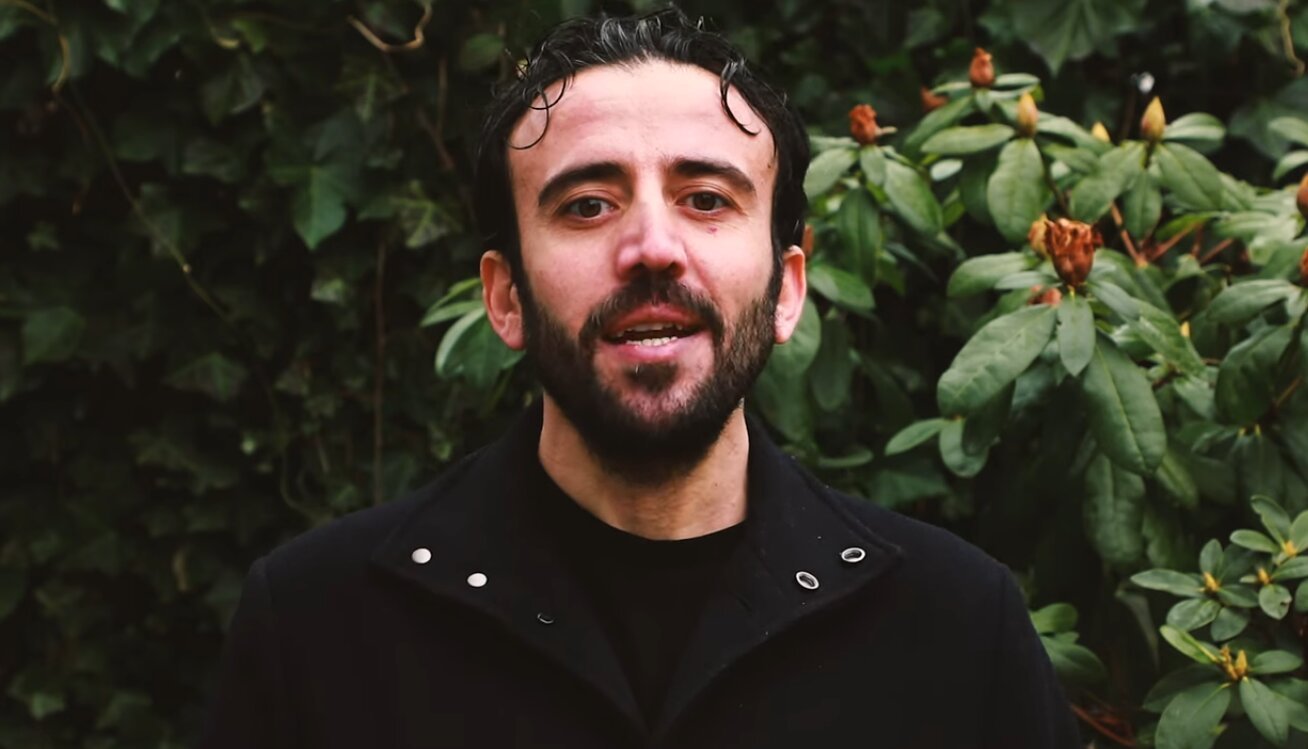
In a video address from the Vatican to the National Constitution Center in Philadelphia, where he accepted the Liberty Medal, the first American-born pope reflected on the meaning of the United States as it marked 250 years since independence. His remarks focused on liberty, human dignity, unity and peace — themes that appeared to contrast sharply with the Trump administration’s hardline immigration agenda.
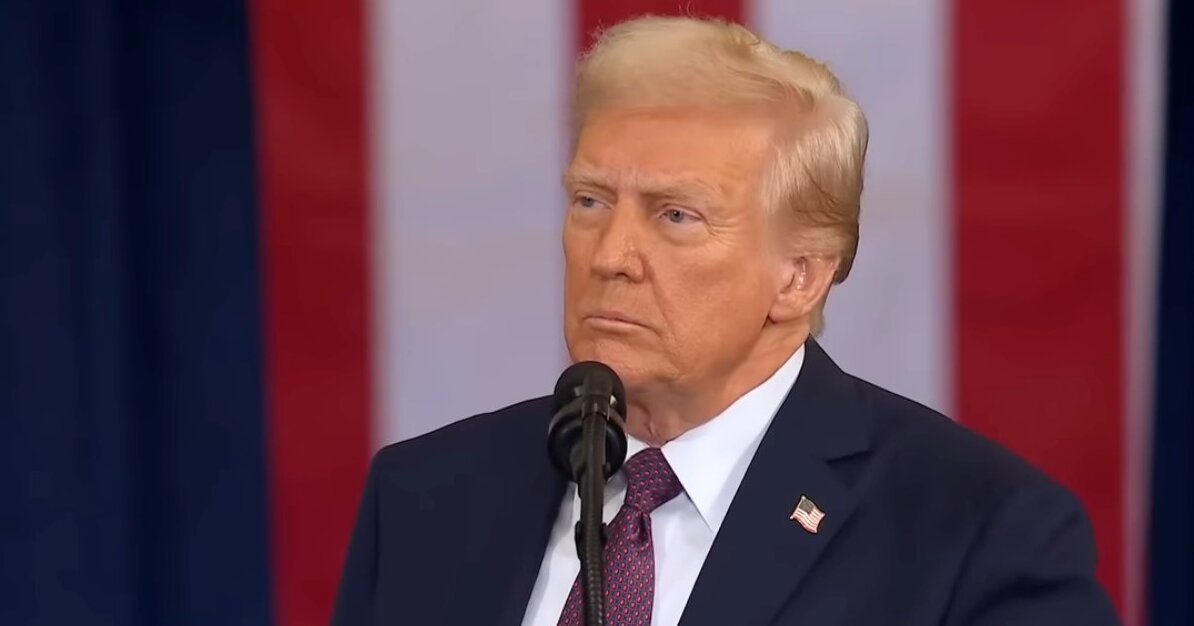
Pope Leo did not directly name President Donald Trump in the Liberty Medal address, but his message was widely interpreted as an implicit response to the political climate in the United States. Trump has made immigration enforcement one of the defining issues of his presidency, while the Vatican under Leo, like under Pope Francis before him, has continued to emphasize the dignity of migrants and the moral responsibility of wealthy nations.
The pope said America had become a global symbol of freedom in part because of the way it offered hope to people seeking a better life. He urged the country to use its 250th anniversary not only as a celebration, but also as a moment of reflection about whether it is living up to its founding promises.
TRENDING TODAY
That message carried additional weight because Leo also traveled to Lampedusa, the small Italian island that has become one of Europe’s most visible symbols of migration. Located closer to North Africa than mainland Italy, Lampedusa has long been a first point of arrival for people crossing the Mediterranean in fragile boats while fleeing poverty, violence or instability.
During the visit, Pope Leo met migrants, humanitarian workers and rescue officials. He also honored those who died attempting the dangerous sea crossing. His presence echoed Pope Francis’s 2013 visit to the same island, which became one of the strongest early signals of Francis’s papacy and its focus on migrants and the marginalized.
Leo called on European leaders to respond to migration with both immediate humanitarian aid and long-term planning. He also urged governments to improve conditions in migrants’ home countries so that fewer people feel forced to leave in the first place. That approach reflects the Vatican’s broader position: migration should not be treated only as a border-security issue, but as a human, economic and moral challenge.
For the United States, the timing was difficult to ignore. While Trump’s July 4 events focused heavily on patriotism, national identity and border enforcement, Pope Leo used the same anniversary weekend to highlight welcome, protection and human dignity. The contrast is likely to resonate with Catholic voters, immigrant communities and religious leaders who are already divided over the administration’s policies.
The issue is not only symbolic. Immigration policy affects families, workers, churches, local governments and businesses across the country. Supporters of strict enforcement argue that the government must protect borders, enforce the law and control migration flows. Critics argue that aggressive crackdowns can separate families, create fear in communities and undermine America’s long-standing identity as a refuge for people seeking freedom.
Pope Leo’s message does not settle that political debate, but it places a moral challenge in front of both the United States and Europe. As America celebrates 250 years of independence, the pope is asking whether freedom is only a national slogan — or a responsibility that extends to vulnerable people seeking safety and opportunity.
Why It Matters
This matters because Pope Leo’s remarks connect America’s 250th anniversary to one of the country’s most divisive policy debates: immigration. For Catholic voters, immigrant families and political leaders, his message raises a direct question about whether the nation’s founding ideals still include welcome, dignity and protection for people fleeing hardship.
What Comes Next
The pope’s comments are likely to increase tension between the Vatican and the Trump administration over immigration policy. Trump allies may argue that border enforcement is necessary for national security, while religious and humanitarian groups may point to Leo’s remarks as a call for a more compassionate approach. As the midterm elections approach, immigration, faith and national identity are likely to remain closely linked in the political debate.
Pope Leo urged Americans to connect the country’s founding ideals with its long tradition of welcoming migrants.
Pope Leo urged Americans to uphold the ideals of the Declaration of Independence, praising the country’s long tradition of welcoming immigrants in his first major address to the United States https://t.co/zLPDluiCf1 pic.twitter.com/GmamJXcSrL
— Reuters (@Reuters) July 4, 2026