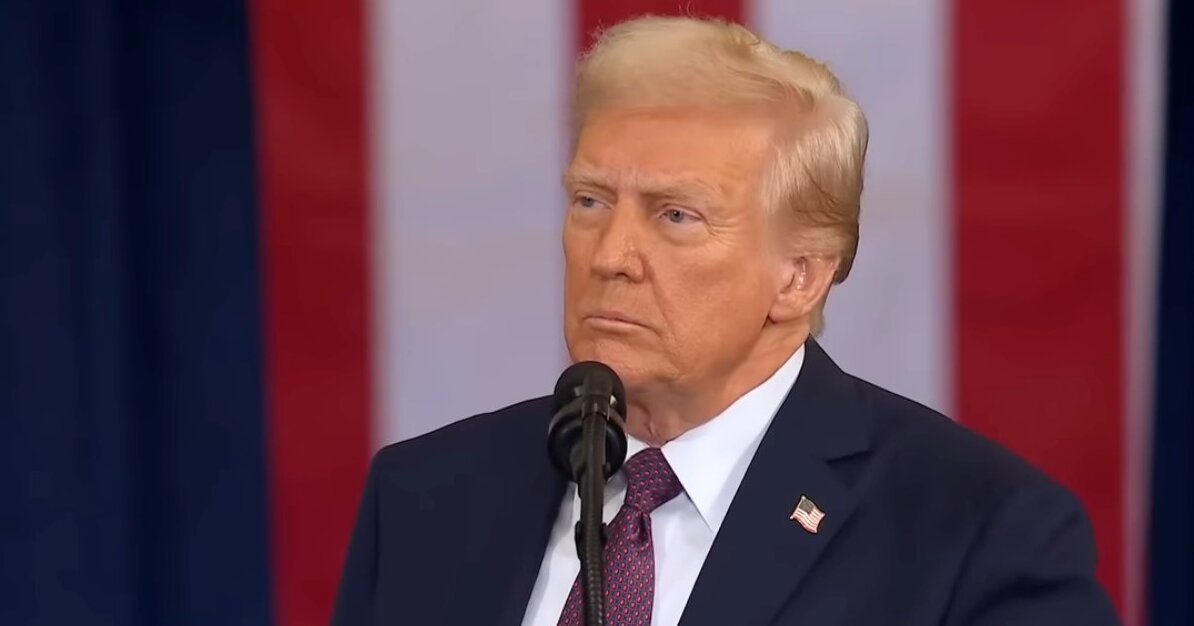
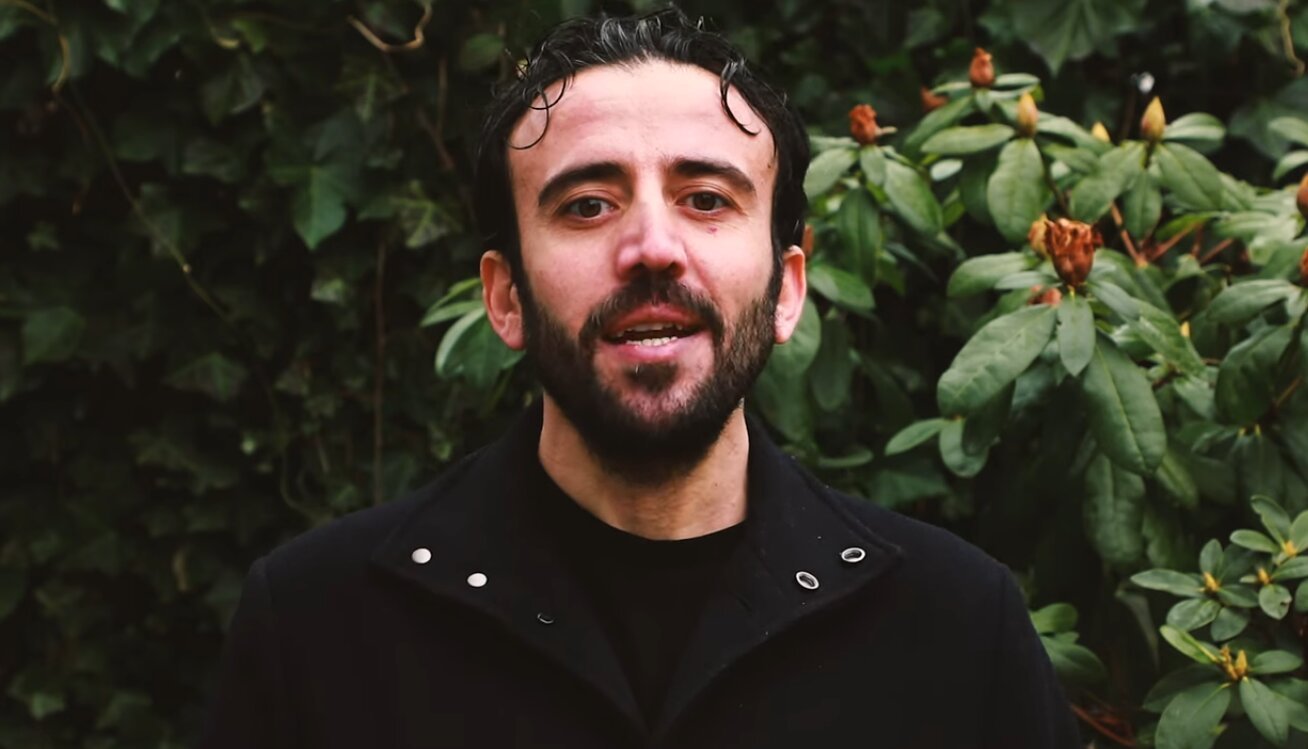
President Donald Trump may be able to survive the political backlash from his new Iran framework, but Israeli Prime Minister Benjamin Netanyahu faces a much harder path.
The preliminary U.S.-Iran agreement has opened a fragile diplomatic window after months of war and regional instability. For Trump, the deal is a chance to present himself as a leader who can stop a wider Middle East conflict, reopen key energy routes and bring Washington back to the negotiating table with Tehran.
For Netanyahu, however, the agreement has created a serious political problem. The Israeli leader spent years presenting Iran as Israel’s greatest strategic threat and argued that only overwhelming pressure could stop Tehran’s nuclear and regional ambitions. Now, Washington is pursuing a diplomatic track that appears to leave Netanyahu with less influence over the outcome.
The tension is especially visible in Lebanon. Recent fighting between Israel and Hezbollah disrupted planned U.S.-Iran talks in Switzerland and raised fears that the ceasefire process could collapse before it fully begins. U.S. officials have pushed for renewed calm, while Netanyahu faces pressure from his own right-wing coalition not to appear weak or restrained.
TRENDING TODAY

That leaves him trapped between two risks. If he defies Washington and continues military operations that threaten the Iran talks, he could damage Israel’s relationship with its most important ally. If he follows Trump’s pressure and accepts limits on Israeli action, he may lose support from the hard-right partners who help keep him in power.
The U.S.-Israel relationship has survived many disagreements, but this moment is unusually tense. For decades, Israel has relied on broad U.S. political support, military aid and diplomatic protection. Yet that support has become more contested inside American politics, especially after the war in Gaza and growing concerns about civilian suffering, settlements and regional escalation.
Netanyahu’s critics argue that his strategy has weakened Israel’s international position. They say his government has relied too heavily on military force while failing to produce lasting security or diplomatic gains. The Iran conflict now adds another layer to that criticism: Israel helped push the region toward a wider war, but the final diplomatic process may be shaped mainly by Washington and Tehran.
Supporters of Netanyahu see the situation differently. They argue that Iran remains a dangerous adversary, that Hezbollah continues to threaten Israel from Lebanon, and that military pressure forced Tehran to negotiate. From that perspective, Trump’s deal may be premature if it allows Iran to preserve too much of its nuclear or regional power.
Still, the political optics are difficult for Netanyahu. If Iran emerges from the conflict with renewed negotiations, potential sanctions relief and greater recognition of its role in regional security, many Israelis may ask what the war achieved. If Hezbollah remains active and Israel is pressured into a ceasefire, the same question will follow him at home.
Trump also has political room that Netanyahu may not. The U.S. president can frame the Iran deal as a tough negotiation, a pause in conflict or a way to avoid another prolonged war. Netanyahu, by contrast, has built much of his leadership around the claim that he alone understands and can defeat Iran’s threat.
That image is now under strain.
The coming weeks may decide whether the Iran framework becomes a stable agreement or collapses under pressure from Lebanon, Israeli politics and hardliners in Tehran. But even if the deal survives, Netanyahu may find that its political cost falls more heavily on him than on Trump.
Why It Matters
The Iran deal matters for Netanyahu because it challenges his central argument that only hard military pressure can protect Israel. It also tests the U.S.-Israel alliance at a time when American support is becoming more divided and Israel’s regional strategy is under growing scrutiny.
What Comes Next
Netanyahu will have to decide whether to cooperate with Trump’s diplomatic push or continue pressing Israel’s military campaign in Lebanon and against Iranian-backed forces. Either choice carries political risk, especially with Israeli voters and coalition partners watching closely.