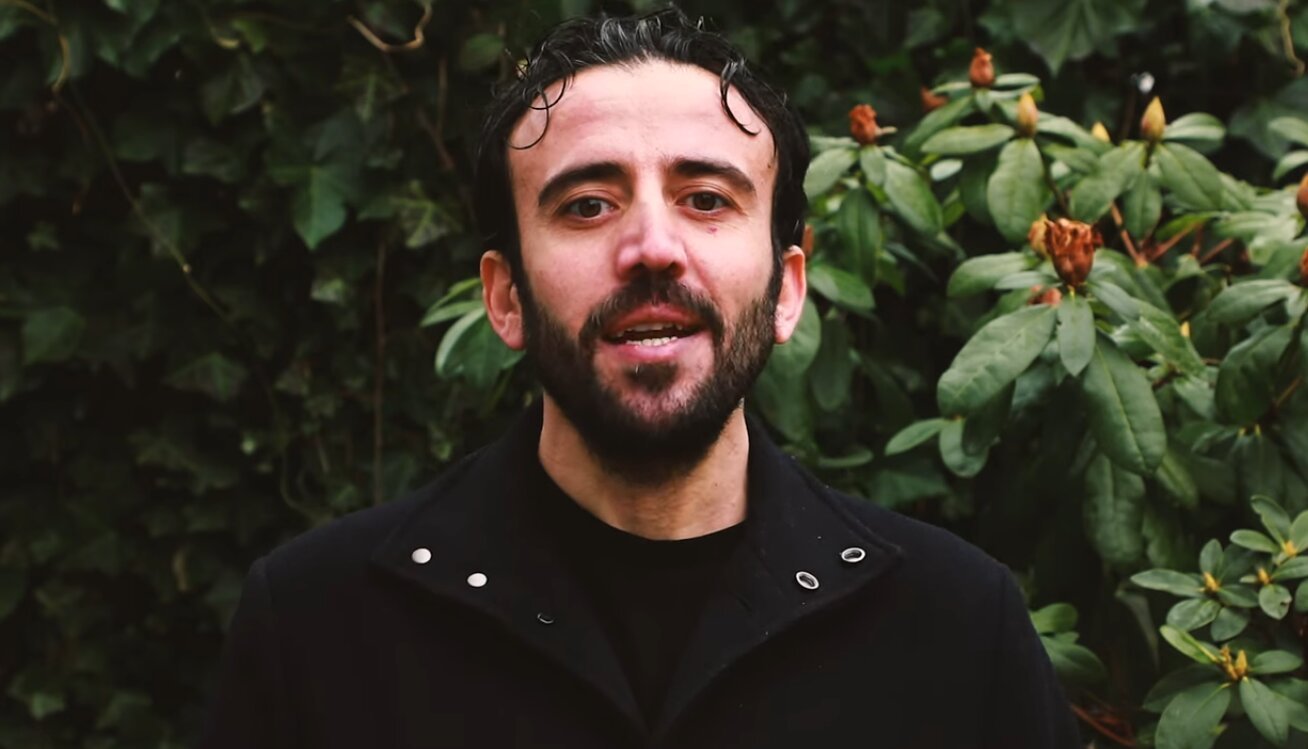
A South Carolina man who says he has lived for years with a rare medical condition known as micropenis says he has now booked a corrective procedure after receiving financial support from online donors.
Michael Phillips, 38, said he was surprised and grateful after his GoFundMe campaign drew hundreds of donations. The fundraiser was created to help pay for a medical procedure that he says could improve some of the daily physical difficulties linked to his condition.
Phillips has spoken publicly in recent interviews about living with micropenis, a rare condition in which adult penile length is significantly below the typical medical range. He has said the issue affects not only his confidence and dating life, but also basic daily functions, including urination.
The fundraiser reportedly began in late June and had raised nearly $13,000 from more than 250 donors by Saturday. Phillips said he has already scheduled the procedure with a medical facility closer to his home.
TRENDING TODAY


The case gained wider attention after Phillips discussed his condition publicly and described himself as an advocate for people dealing with body-shaming and rare medical conditions. He has argued that people with similar diagnoses often face humiliation, disbelief and social stigma, making it harder for them to speak openly or seek medical help.
A Beverly Hills plastic surgeon reportedly offered to perform a related procedure for free after seeing media coverage of Phillips’s story. However, Phillips said he had already arranged treatment elsewhere.
Medical organizations describe micropenis as rare. The condition is typically diagnosed based on clinical measurements and may be linked to hormonal or developmental factors. Treatment options vary depending on age, cause, symptoms and patient goals. Doctors generally advise patients to seek evaluation from qualified medical professionals rather than relying on social media advice or unverified procedures.
Phillips’s story has also drawn skepticism online, with some users questioning whether his claims are real. He has responded by saying that he has previously had to verify his diagnosis before appearing in media interviews. Still, the most important part of the story is not the viral attention, but the broader issue of how people with sensitive medical conditions are treated online.
The public reaction shows how quickly deeply personal health stories can become internet entertainment. While some donors appeared to respond with compassion, others used the story for jokes or ridicule. That tension highlights the challenge faced by people who turn to public fundraising for private medical needs: the same attention that helps raise money can also invite mockery.
For patients with rare or stigmatized conditions, medical costs can create additional pressure. Even when treatment exists, insurance coverage, travel, specialist access and procedure costs can make care difficult to obtain. Online fundraising has become a common option for Americans facing medical expenses, but it often requires people to share personal details publicly to receive help.
Why It Matters
This story matters because it touches on medical privacy, body image, online fundraising and the way people with rare conditions are treated in public. Phillips’s case may seem unusual, but the larger issue is familiar: many Americans rely on public donations to afford medical care, while also risking judgment and ridicule when their health problems become public.
What Comes Next
Phillips is expected to undergo the procedure he says he has booked closer to home. The outcome may determine whether the treatment improves some of the daily challenges he has described. His story may also continue to fuel discussion about body-shaming, rare medical conditions and the growing role of crowdfunding in American healthcare.
The case drew media attention after the man spoke publicly about living with a rare medical condition and seeking corrective treatment.
Owner of world’s smallest penis gets shot at personal growth from plastic surgeon https://t.co/KJaebZRtTL pic.twitter.com/wX0Asgeocm
— New York Post (@nypost) June 30, 2026