A federal judge has sentenced Benjamin Hanil Song to 100 years in prison for his role in a violent July 4, 2025, attack outside an immigration detention facility in Alvarado, Texas, where a local police officer was shot and wounded.
The sentence is the longest handed down so far in a major federal case tied to the shooting outside the Prairieland Detention Center, an (ICE)-linked facility south of Dallas. Prosecutors described the incident as a coordinated ambush intended to draw law enforcement officers outside and then attack them.
Song was convicted earlier this year of attempted murder and firearm-related charges connected to the shooting of Alvarado Police Lt. Thomas Gross, who was struck in the neck but survived. Federal prosecutors said evidence at trial showed Song fired the shot that wounded the officer.
The Justice Department described the defendants as members of a North Texas Antifa-linked cell and framed the case as a domestic terrorism prosecution. Defense attorneys have disputed that characterization, arguing that several defendants were involved in a protest that escalated and that the government’s terrorism theory overstated their intentions and affiliations.
TRENDING TODAY

According to prosecutors, the incident began when a group gathered outside the detention facility on Independence Day. Participants allegedly used fireworks, vandalized vehicles and damaged property near the site. Prosecutors argued those actions were intended to lure officers from the facility before gunfire erupted.
The federal trial included surveillance footage, witness testimony, cellphone location evidence and weapons-related evidence. Prosecutors said investigators recovered tactical gear, firearms and other materials connected to the incident. A cooperating witness also testified that Song later admitted to shooting a law enforcement officer.
Song received the harshest sentence among the defendants. Other people convicted in the case received prison terms ranging from 30 to 70 years. Maricela Rueda was sentenced to 70 years, while Autumn Hill, Zachary Evetts, Savanna Batten, Meagan Morris and Elizabeth Soto each received 50 years. Daniel Rolando Sanchez-Estrada was sentenced to 30 years.
Several defendants were convicted on charges including rioting, conspiracy and providing material support to terrorists. Some were acquitted of attempted murder or related firearm charges, showing that the jury did not accept every allegation against every defendant.
An additional defendant, Ines Soto, is scheduled to be sentenced later. Other defendants who previously pleaded guilty to providing material support to terrorists are also awaiting sentencing and could face significant prison time.
The case has become politically charged because it involves ICE, immigration enforcement, protest rights and the federal government’s use of terrorism-related charges. Supporters of the prosecution say the attack went far beyond protest and involved a planned assault on law enforcement. They argue the long sentences reflect the seriousness of shooting an officer and targeting an immigration facility.
Critics and defense lawyers say the sentences are unusually severe and may raise concerns about how terrorism laws are applied in politically sensitive cases. Some attorneys have argued that several defendants expected a demonstration rather than a violent confrontation, and appeals are expected.
What remains unclear is how higher courts will view the convictions and sentences if the case is appealed. It is also unclear whether prosecutors will bring more similar cases using terrorism-related statutes against people accused of violence at immigration enforcement facilities.
For law enforcement agencies, the case is likely to be cited as a warning about the risks surrounding demonstrations at federal facilities. For civil liberties groups, the case may raise questions about how the government distinguishes between protected protest activity and criminal conspiracy when violence occurs near a political demonstration.
The sentencing also comes amid broader national tension over immigration policy and the role of ICE. Detention facilities have become frequent sites of protest, especially under administrations that expand immigration enforcement. While peaceful protest remains protected, federal officials have said violence against officers or facilities will be prosecuted aggressively.
For ordinary Americans, the case highlights two competing concerns: the need to protect law enforcement from violent attacks and the need to ensure that criminal prosecutions do not blur the line between protest, political association and individual criminal acts.
Why It Matters
The sentence matters because it is one of the most severe penalties connected to an attack on an immigration enforcement facility in recent years. A police officer was shot, and prosecutors said the attack was planned to target law enforcement.
It also matters because the case sits at the intersection of immigration enforcement, political extremism allegations, protest rights and domestic terrorism law. The outcome could influence how federal prosecutors handle future violence connected to politically charged demonstrations.
What Comes Next
Song and other defendants are expected to pursue appeals, which could challenge the convictions, the terrorism-related charges or the length of the sentences. Ines Soto and several defendants who previously pleaded guilty still face sentencing.
Federal officials may also use the case as a precedent in future prosecutions involving attacks on ICE or other government facilities. At the same time, civil liberties advocates and defense lawyers are likely to continue questioning whether the terrorism label was applied too broadly.
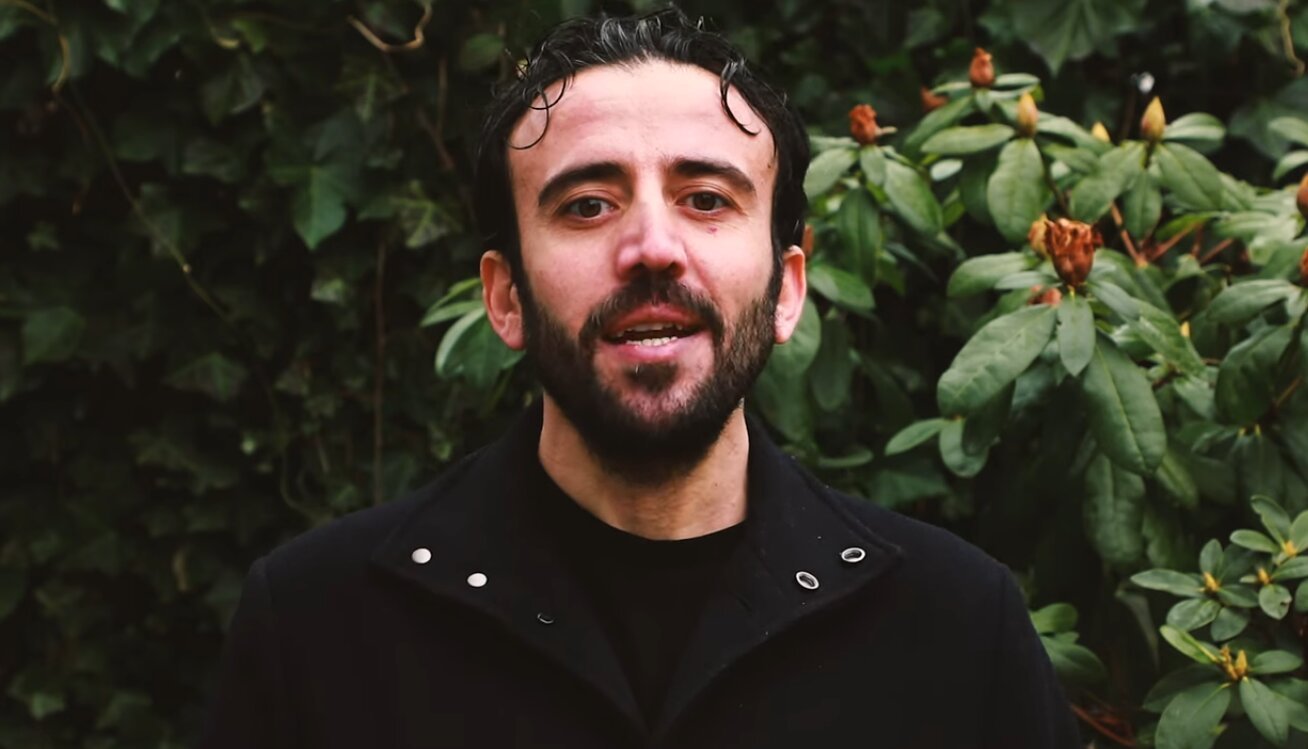
A post about the sentencing identified Benjamin Song as one of the defendants in the federal case tied to the Alvarado ICE facility attack.
Breaking exclusive: Benjamin Song, the ringleader of the North Texas Antifa terror cell, was sentenced to 100 years in federal prison today in Fort Worth. The sentencing of 7 other violent co-defendants is ongoing. Turn on notifications.
Read my prior reporting about the trial…
— Andy Ngo (@MrAndyNgo) June 23, 2026