A veteran Drug Enforcement Administration agent has raised serious concerns about federal fentanyl enforcement tactics, alleging that agents allowed large quantities of pills to reach New Mexico communities while building longer-term cases against drug trafficking networks.
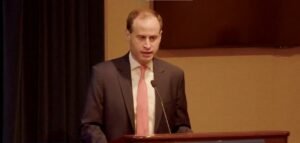
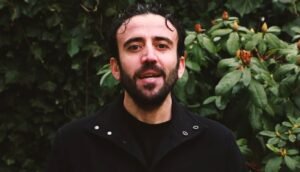
The allegations come from DEA Special Agent David Howell, whose whistleblower claims have drawn new scrutiny to how federal authorities handled fentanyl investigations in and around Albuquerque between 2023 and 2025. According to records and reporting reviewed by the Associated Press, DEA agents repeatedly monitored fentanyl shipments but did not immediately seize them as prosecutors sought to build larger criminal cases against traffickers.
Howell has argued that the strategy put public safety at risk at a time when fentanyl remains one of the deadliest drugs in the United States. He has said agents had a duty to intercept known shipments because even a small number of fentanyl pills can cause fatal overdoses.
Federal officials and former prosecutors have defended the broader investigative approach, saying agents sometimes allow controlled movements of narcotics during court-authorized operations to identify higher-level traffickers, suppliers and distribution networks. They argue that immediately seizing every shipment can stop one transaction while leaving larger organizations intact.
TRENDING TODAY
The dispute highlights a difficult question in drug enforcement: should agents prioritize immediate seizure of deadly drugs, or sometimes allow limited movement under surveillance to build cases against larger trafficking groups?
That question is especially sensitive with fentanyl. Unlike some other drugs, fentanyl can be lethal in very small amounts. Counterfeit pills containing fentanyl have contributed to thousands of overdose deaths nationwide, and public health campaigns have repeatedly warned that one pill can kill.
Howell’s complaint centers on New Mexico operations in which agents allegedly tracked major fentanyl shipments but did not always intervene before the pills reached the street. AP reported that internal records showed agents watched large quantities of pills change hands during investigations. Some current and former agents compared the tactic to “drug walking,” a term used when law enforcement allows illegal goods to move in hopes of tracking bigger targets.
The DEA has long used surveillance and controlled-delivery tactics in narcotics cases, but fentanyl has changed the risk calculation. Justice Department guidance has urged agents to seize fentanyl whenever practicable because of its extreme danger. However, later policy revisions reportedly gave investigators more discretion to balance immediate seizure against the potential value of continuing an operation.
Howell filed a whistleblower complaint with the U.S. Office of Special Counsel, arguing that the approach may have violated public safety obligations. The complaint led to further review, and the issue is now drawing calls for congressional and inspector general scrutiny.
Officials have disputed the idea that specific overdose deaths can be directly tied to particular unseized shipments. They also argue that large-scale trafficking cases can ultimately remove more dangerous actors from the supply chain than smaller seizures alone.
Still, critics say the public deserves answers about how many pills were allowed to move, who approved the decisions and what safeguards were in place to prevent fentanyl from reaching users. They argue that the government should not gamble with communities in order to build stronger prosecutions.
What remains unclear is exactly how many pills were not seized, how many operations used this tactic and whether senior Justice Department or DEA officials approved the decisions. It is also unclear whether future reviews will find misconduct or determine that the tactics were within federal guidelines.
The allegations carry political weight because they involve Biden-era enforcement decisions during a national opioid crisis. Republicans are likely to point to the claims as evidence of failed drug policy, while Democrats may argue that the issue is more about long-standing law enforcement tactics than one administration.
For ordinary families, the politics may matter less than the public safety question. Communities hit by fentanyl overdoses want dangerous pills removed from the street as quickly as possible. If federal agents knew where major shipments were and chose not to seize them, many voters will want a clear explanation.
The case also raises a broader policy question for Congress: whether federal drug enforcement rules should be tightened when fentanyl is involved. If investigators are allowed to let drugs move under surveillance, lawmakers may demand stricter limits, faster approvals and more transparency after operations end.
Why It Matters
The allegations matter because fentanyl is one of the most lethal substances driving the U.S. overdose crisis. If federal agents knowingly allowed large shipments to continue moving during investigations, the public has a strong interest in understanding why that decision was made and whether it was legally justified.
The case also matters for accountability. Long-term investigations can be important for dismantling trafficking networks, but fentanyl’s lethality makes delays in seizure far more dangerous than in older drug cases. The controversy could force Congress and federal agencies to revisit how these operations are approved.
What Comes Next
Howell and his attorneys are calling for congressional hearings and an independent inspector general review of DEA practices in New Mexico. Lawmakers may also seek records from the Justice Department and DEA to determine how often fentanyl shipments were monitored but not seized.
The next major question is whether federal investigators conclude that the tactics violated DOJ guidance or whether officials determine the operations were lawful, even if controversial. Either outcome could influence how fentanyl investigations are handled nationwide.
WATCH:
Many thanks to @IngrahamAngle for having me on her @FoxNews show last night to rebut the Albuquerque DEA’s denial that they walked fentanyl. https://t.co/LbeeRunmZF pic.twitter.com/nmKn1LwraP
— Tristan Leavitt (@tristanleavitt) June 24, 2026