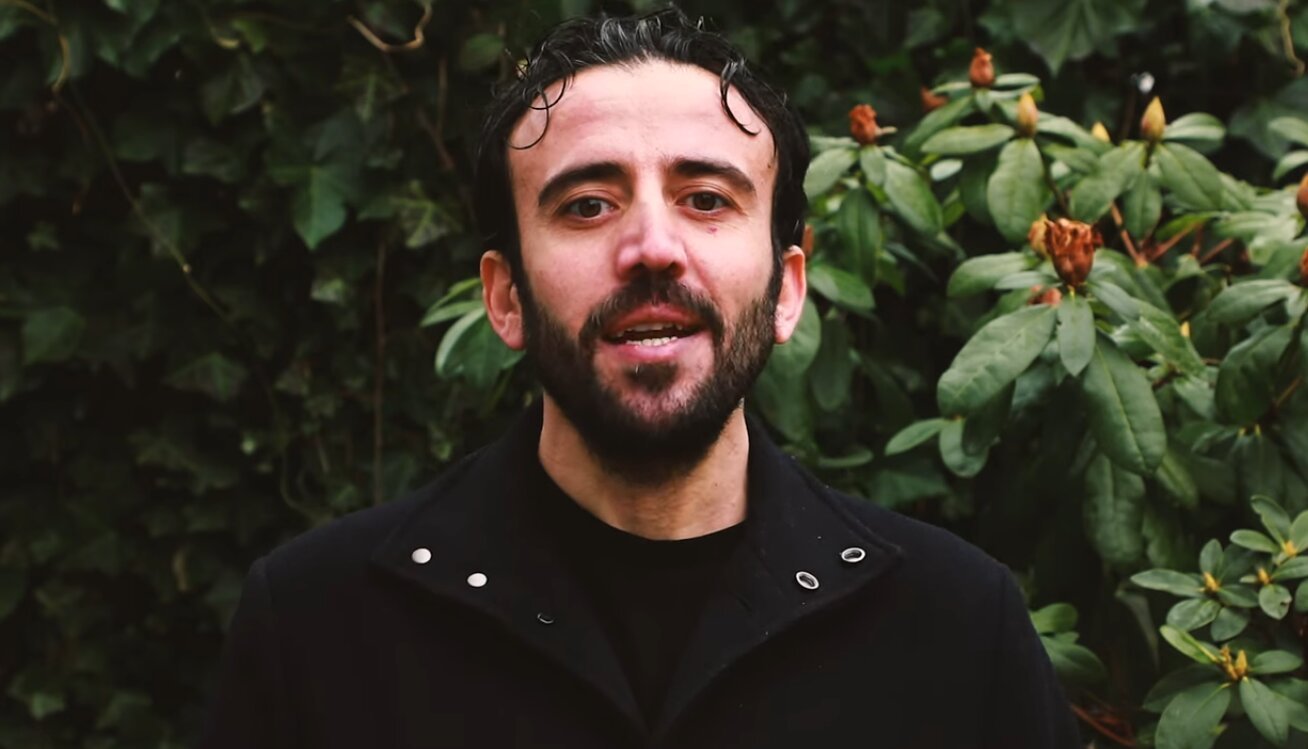
A 34-year-old man accused of human trafficking and sexual assault has been transferred to Louisiana custody after investigators alleged he exploited a teenage girl who had traveled to the United States from Honduras.
Authorities in Kenner, Louisiana, said Juven Pineda faces charges of second-degree rape and human trafficking. Police said he was arrested in North Carolina on a warrant issued in Louisiana and was later extradited to the New Orleans-area suburb, where the case is now moving forward.
A bail commissioner ordered Pineda held without bond on June 10 while the criminal case proceeds. The charges remain allegations, and Pineda is presumed innocent unless proven guilty in court.
According to Kenner police, the investigation began after a local law office reported that it was representing a client who said she had been trafficked from Honduras to Louisiana through Mexico. Investigators said the woman, who was born in 2002, told authorities she was 16 when she came to the United States in 2019.
TRENDING TODAY


Police alleged that Pineda had previously helped her father enter the country and later helped bring the girl to the United States. Investigators said she initially believed the arrangement did not require payment from her. But after she arrived in Louisiana, police said, Pineda allegedly told her that she and her father owed him $13,500.
According to investigators, Pineda allegedly used that claimed debt to control the girl and threatened to harm her family in Honduras if she did not comply. Police said the girl told them she was made to live with him and perform domestic duties while being treated as if she were his partner. She reportedly told investigators she felt trapped and was not free to leave.
Authorities also alleged that Pineda later took her to North Carolina, where the abuse continued. Kenner police said North Carolina highway patrol officers detained him in April on the Louisiana warrant. He was booked in Louisiana in June on three counts of second-degree rape and one count of human trafficking, according to jail records cited by authorities.
Kenner Police Chief Keith Conley said the case is a reminder that human trafficking can happen out of public view and that victims may be afraid to speak out. Police urged the public to report suspicious activity, saying that tips can help authorities identify victims who may be under threat or control.
The case highlights one of the most difficult parts of human trafficking investigations: victims often face fear, isolation, financial pressure, immigration concerns or threats against family members. Law enforcement officials and victim advocates have long warned that traffickers may use debt, housing, transportation or family safety as tools of coercion.
Human trafficking cases can also be complex because alleged exploitation may begin before a victim arrives in the United States and continue across multiple states. In this case, investigators said the alleged conduct involved Honduras, Mexico, Louisiana and North Carolina.
Louisiana law allows serious penalties for both second-degree rape and human trafficking convictions. Second-degree rape can carry a prison sentence ranging from five to 40 years, while human trafficking can carry up to 20 years, with possible enhancements depending on the circumstances.
For now, the case remains in the early stages of the legal process. Prosecutors will have to prove the charges in court, while investigators may continue reviewing travel records, communications, witness statements and any evidence related to the alleged debt and threats.
The case is also likely to draw attention to how local police departments identify trafficking victims and how community members, lawyers and service providers can help bring hidden abuse to light.
Why It Matters
The case matters because it shows how alleged trafficking can involve more than physical movement across borders. Police say the victim was controlled through a claimed debt, threats against family members and fear, all of which are common warning signs in trafficking investigations.
It also underscores why victims may not immediately report abuse. When immigration status, family safety or financial pressure are involved, victims may feel they have few safe options for seeking help.
What Comes Next
Pineda will remain in custody while the case proceeds through the Louisiana court system. Prosecutors are expected to present evidence supporting the human trafficking and second-degree rape charges, while the defense will have the opportunity to challenge the allegations.
Investigators may also continue examining whether other people helped facilitate the alleged exploitation or whether additional victims or witnesses are connected to the case.