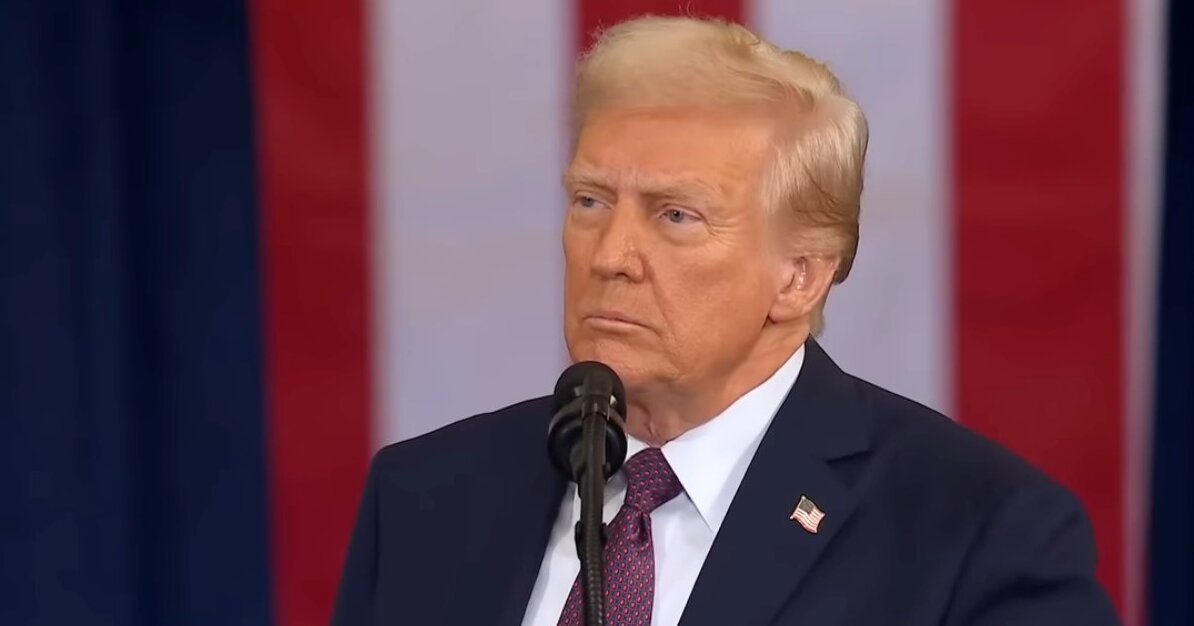
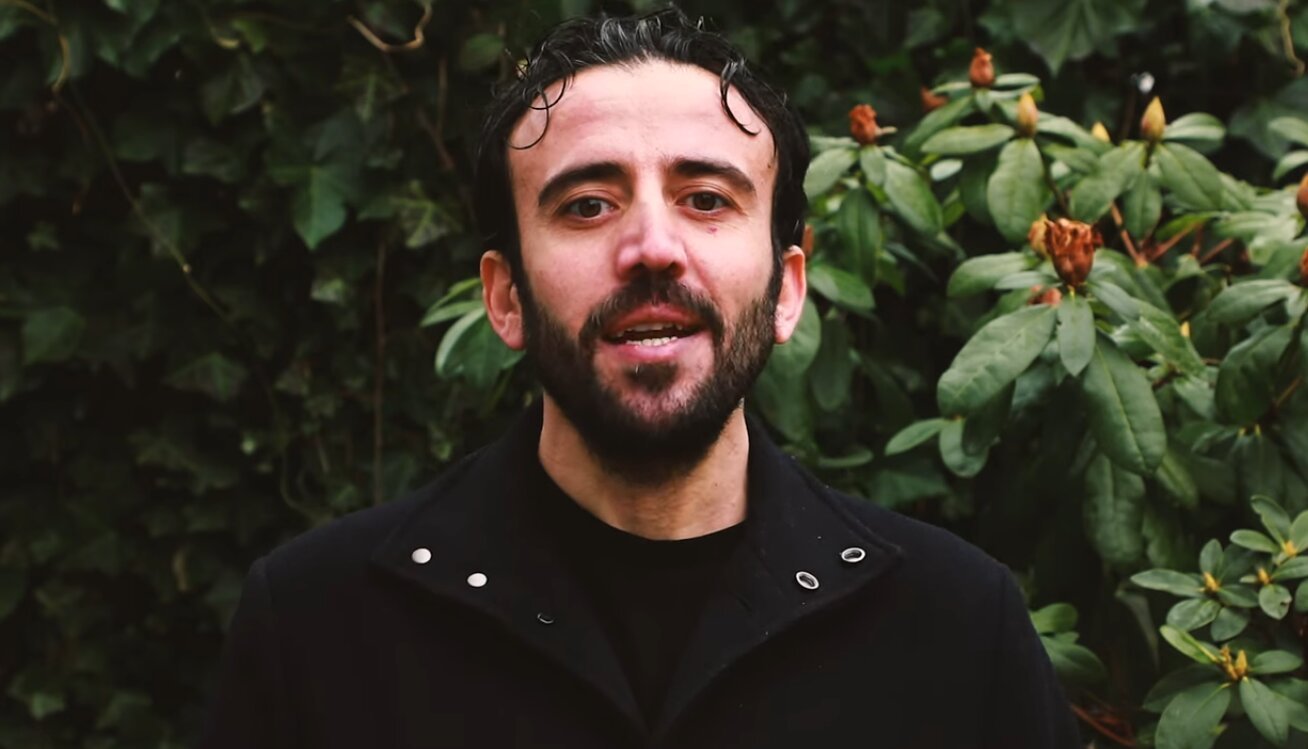
A Utah judge has held a prosecutor in contempt for speaking publicly about the murder case against Tyler James Robinson, the man accused of killing conservative activist Charlie Kirk, but declined to remove the death penalty as a possible punishment.
Judge Tony Graf ruled Friday that Deputy Utah County Attorney Christopher Ballard violated a pretrial publicity order by making comments to media outlets about the strength of the prosecution’s case. The judge said the remarks had the potential to prejudice court proceedings because they communicated the prosecutor’s assessment of Robinson’s alleged guilt.
The ruling is a significant development in one of the country’s most closely watched criminal cases. Robinson is accused of fatally shooting Kirk during a public event in Utah last September. He has been charged in the case, but the allegations remain unproven unless and until prosecutors prove them in court.
The contempt dispute began after Robinson’s defense team raised questions about ballistics evidence in a court filing. The defense argued that a report from the Bureau of Alcohol, Tobacco, Firearms and Explosives did not conclusively prove that the bullet fragment recovered in the case came from a firearm believed to be connected to Robinson. That claim gained attention online and was interpreted by some commentators as potentially favorable to the defense.
TRENDING TODAY
Ballard later spoke to media outlets in an effort he described as correcting misinformation about the ballistics report. In one statement, he said the state had “ample evidence” to support its case. In another, he explained that an inconclusive bullet-fragment analysis does not necessarily mean the firearm did not fire the bullet.
Robinson’s attorneys argued that those comments violated the court’s gag order and could damage their client’s right to a fair trial. They asked the judge to impose a major sanction by removing the death penalty from the case.
Judge Graf agreed that Ballard’s public remarks crossed the line. He said the prosecutor’s statements created a substantial likelihood of materially prejudicing the proceedings, especially because they involved the prosecution’s view of guilt and evidence. However, the judge rejected the defense request to take the death penalty off the table.
Graf said removing capital punishment as a possible sentence would be disproportionate to the violation and could improperly interfere with prosecutorial discretion. Instead, the court indicated it would use other tools to reduce possible jury bias, including expanding the pool of potential jurors and using additional questionnaires during jury selection.
The decision reflects a difficult balance in high-profile criminal cases. Courts often restrict what lawyers can say publicly because comments from prosecutors or defense attorneys can shape public opinion before a trial begins. At the same time, judges are usually cautious about imposing sanctions that change the core charges or possible penalties unless misconduct is severe enough to justify such a step.
The ruling also shows how social media and rapid online commentary can complicate criminal proceedings. A technical evidence issue, such as an inconclusive ballistics result, can quickly become part of a broader public debate. Prosecutors may feel pressure to correct what they view as misleading claims, but gag orders are designed to keep those arguments inside the courtroom rather than in public media battles.
For the defense, the contempt ruling may support future arguments that pretrial publicity has affected the case. For prosecutors, the decision is a warning that even comments made to counter misinformation can violate court restrictions if they appear to express an opinion about guilt or the strength of the evidence.
The case remains politically sensitive because Kirk was a prominent conservative activist with a national following. That visibility increases the challenge of finding jurors who have not already formed opinions about the case. The judge’s plan to expand jury screening suggests the court is preparing for those concerns as the case moves forward.
The next major step is a preliminary hearing scheduled for July 6. At that stage, prosecutors are expected to present evidence to show whether the case should proceed further toward trial. The judge is also expected to decide whether electronic media will be allowed in the courtroom, another issue that could affect how widely the proceedings are followed.
Why It Matters
The ruling highlights the tension between public interest, media coverage and a defendant’s right to a fair trial. In a high-profile case involving a political figure, even small comments by prosecutors can influence public perception. The decision also matters because the death penalty remains on the table, keeping the case in the highest-stakes category of criminal prosecution.
What Comes Next
The court will move toward the July 6 preliminary hearing, where prosecutors must present enough evidence for the case to continue. Judge Graf is also expected to decide whether cameras or other electronic media will be allowed in the courtroom. As the case proceeds, jury selection, pretrial publicity and the handling of evidence will remain central issues.
A court ruling in Utah drew national attention after a judge found a prosecutor in contempt while keeping the death penalty option in the case.
BREAKING: A Utah judge just found one of the county prosecutors in the Tyler Robinson case in contempt for violating the court’s pre-trial publicity order.
This comes as the judge also denies Robinson’s request to remove the death penalty from the Charlie Kirk murder case.… pic.twitter.com/xYMQZ5hx92
— Fox News (@FoxNews) June 26, 2026