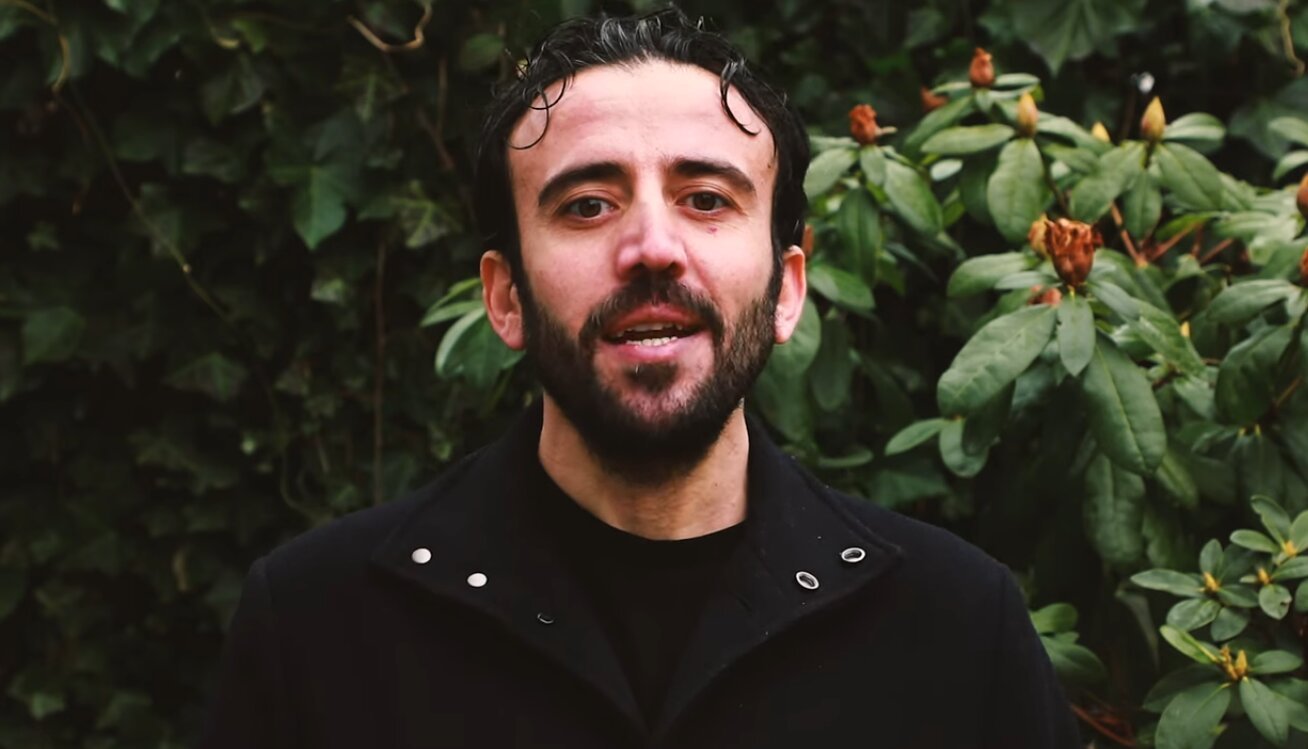
Joanna Whaley has won the Democratic nomination for a Michigan state House seat, placing the hospital chaplain and former evangelical pastor within one election of becoming the first openly transgender person elected to the state legislature.
Whaley defeated former state Representative Frank Liberati and Allen Park City Council member Gary Schlack in Tuesday’s Democratic primary for House District 2. She will face Republican Ronald Kokinda in the November 3 general election.
The district includes Allen Park, Lincoln Park, Melvindale and part of Southgate in the Downriver area of southeast Michigan. Political observers consider it strongly favorable to Democrats, making Whaley the likely winner in November, although the general election has not yet been decided.
Whaley described the primary victory as an important moment in Michigan history but emphasized that her campaign was built around household concerns rather than her personal identity. Her platform focuses on utility costs, wages, medical debt, healthcare access, roads, water systems and public safety.
TRENDING TODAY


That approach may have helped her move beyond a primary contest that became increasingly focused on her transgender status.
Earlier in the campaign, Liberati challenged Whaley’s eligibility for the ballot over the name used on her candidate affidavit. Wayne County election officials rejected the challenge and allowed her candidacy to proceed. The dispute drew criticism from LGBTQ organizations and became a prominent issue in the race.
Whaley, 38, has said she spent approximately two decades working in evangelical ministry. According to her public account, church leaders directed her through 15 years of conversion practices involving four therapists as she struggled with her gender identity.
She has said she lost her church position after leaders learned that she was considering a gender transition. Whaley later joined an LGBTQ-affirming congregation, launched a podcast discussing faith and identity and began working as a clinical spiritual-care provider in hospitals.
Her healthcare experience has become an important part of her political message. Whaley says her work with patients in emergency rooms, intensive-care units and hospice settings showed her how frequently families must balance medical treatment against insurance bills, housing costs and other financial pressures.
Whaley has received support from organizations including the LGBTQ Victory Fund, Run for Something and Her Bold Move. Representative Sarah McBride of Delaware, the first openly transgender member of Congress, publicly congratulated Whaley and praised her for concentrating on economic issues while facing personal attacks during the primary.
The victory arrives during a period of intense national debate over transgender rights, healthcare, school policies and participation in public life. Whaley’s candidacy is likely to attract attention from organizations on both sides of those disputes as the general election approaches.
However, the most important political test may be whether she can keep the campaign focused on the daily concerns of Downriver voters. Historic candidacies can attract national donations and media coverage, but state legislators are ultimately judged on local issues such as infrastructure, schools, insurance costs, employment and municipal services.
Whaley appears to understand that distinction. Her campaign presents transgender representation as significant while repeatedly returning to affordability and the economic pressures facing working-class communities.
Her Republican opponent, Ronald Kokinda, will have an opportunity to challenge her policy positions and argue that the district needs different representation. The general-election campaign will also reveal whether the primary dispute over Whaley’s name and identity continues or whether both candidates concentrate more heavily on local policy.
Whaley has not yet been elected to the legislature, and describing her as Michigan’s first transgender state lawmaker would therefore be premature. She has secured the Democratic nomination and enters November as the favored candidate, but voters will make the final decision.
Why It Matters
Whaley’s nomination represents a potential milestone for political representation in Michigan at a time when transgender policy has become a major national political issue.
The result also shows that her Democratic primary voters prioritized a candidate who combined a historic personal background with a campaign centered on wages, healthcare, utility bills and other economic concerns.
For local residents, the practical importance will depend less on the history surrounding Whaley’s candidacy and more on how effectively the eventual representative addresses infrastructure, household costs, public safety and access to healthcare.
What Comes Next
Whaley will campaign against Republican Ronald Kokinda before the November 3 general election.
Both candidates will need to explain their positions on Michigan’s economy, public services, healthcare and civil liberties. Whaley is favored because of the district’s Democratic lean, but she must still win the general election before officially making state history.
National LGBTQ organizations and political groups opposed to transgender-rights policies may also increase their involvement as the race receives wider attention.