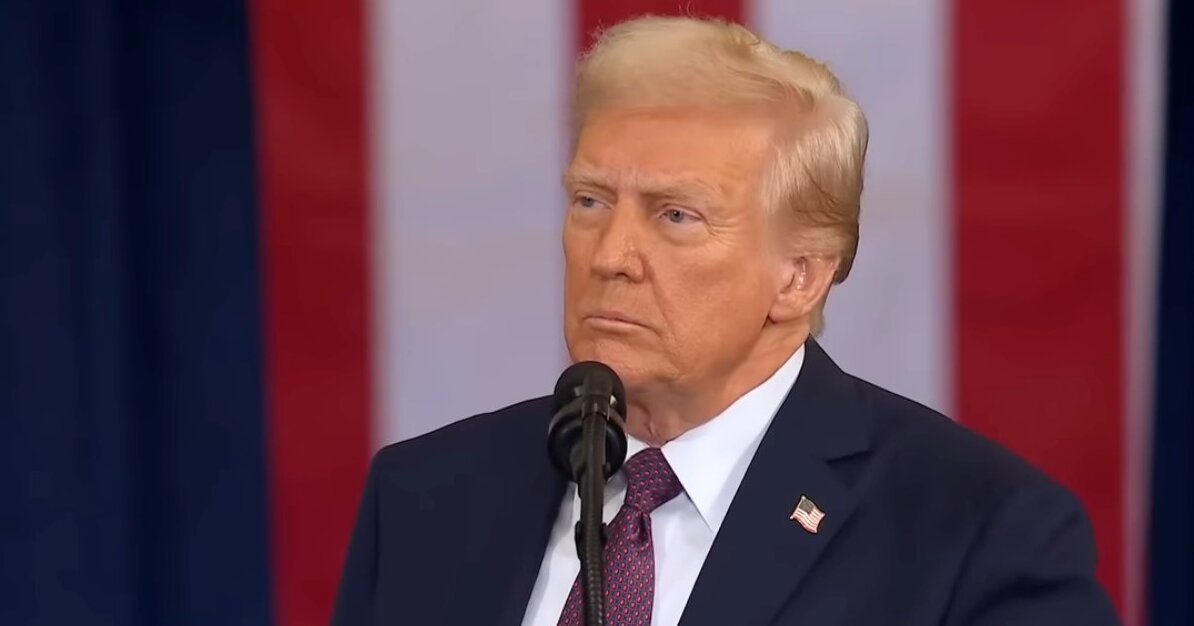
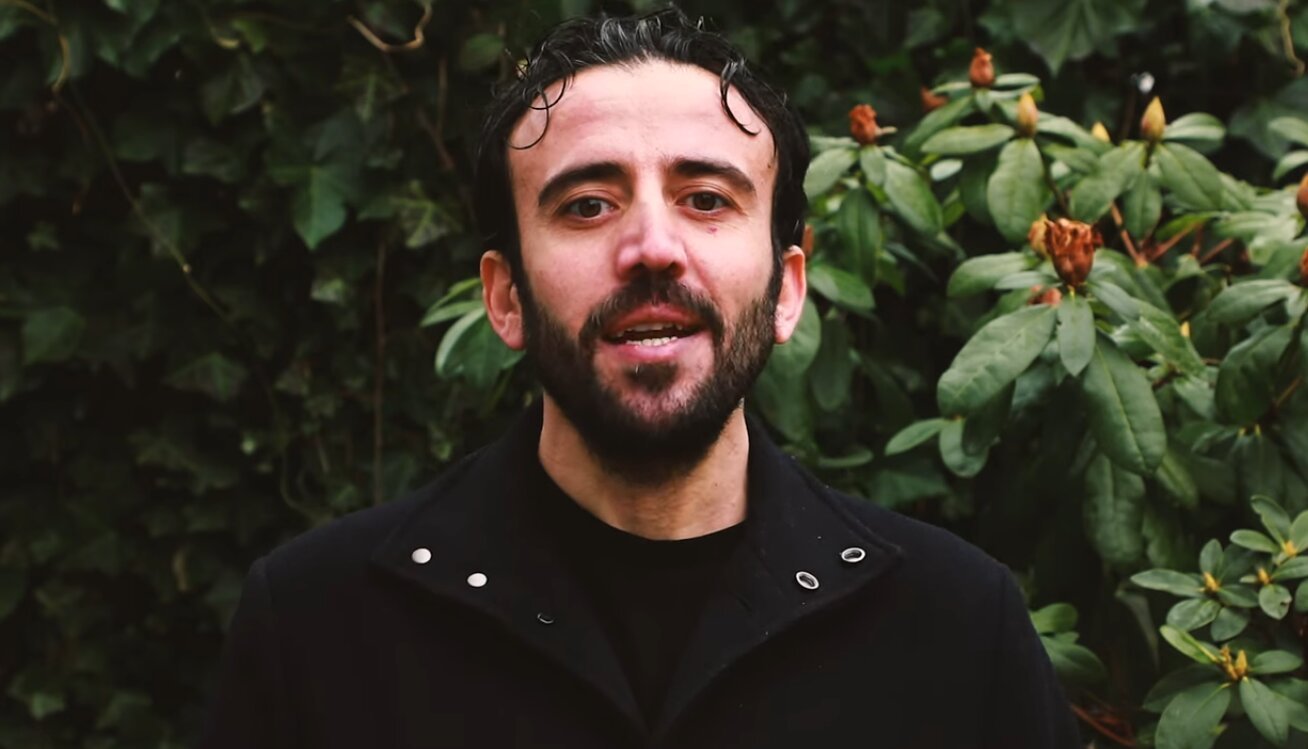
Vice President JD Vance says he has “no doubt” that President Donald Trump will support whatever decision he makes about a possible 2028 presidential campaign, even as the question of Republican succession grows louder in Washington.
In an interview with CBS Sunday Morning, Vance said he has not made a final decision about running for president and does not plan to do so until after the midterm elections. But he acknowledged that Trump regularly brings up the 2028 race, both publicly and privately.
Vance described Trump as deeply interested in political strategy and said the president often speculates about what may happen next inside the Republican Party. Still, Vance said those conversations have not turned into a formal endorsement or a clear plan.
“I have no doubt that the president of the United States is going to be very supportive of anything that I ultimately decide to do,” Vance said. “But we really just haven’t talked about what that thing will be.”
TRENDING TODAY
The comments come as Vance is increasingly viewed as one of the leading potential Republican contenders for 2028. As vice president, he holds the most obvious position to inherit Trump’s political movement. But he has continued to avoid a formal declaration, saying the decision will come later and will be made with his wife, Usha Vance.
Vance said he and Usha will sit down after the midterms to discuss what comes next for their family. He described his decision-making style as cautious, saying he tries not to make major decisions until they have to be made.
That timeline gives Vance room to avoid distracting from the Trump administration’s current agenda and the 2026 midterm elections. It also allows him to stay aligned with Trump without appearing too eager to move into the next campaign cycle.
Trump, however, has already shown public interest in the question. At a recent event, the president asked attendees whether they preferred Vance or Secretary of State Marco Rubio as a future candidate, then suggested the response sounded like a possible ticket.
Rubio has previously said he would not seek the Republican nomination if Vance enters the race, a statement that has fueled speculation about whether the party’s next presidential contest could be settled early around Trump’s preferred successor.
For now, Trump has not formally endorsed anyone for 2028. But his influence over Republican voters remains enormous, and his eventual support could shape the field before it fully forms.
Vance’s CBS appearance also came as he promotes his second memoir, Communion: Finding My Way Back to Faith. The book focuses on his return to religious belief and his conversion to Catholicism as an adult. HarperCollins says the book is scheduled for release on June 16.
The interview also included personal comments from Usha Vance, who discussed the couple’s family life and their decision to have a fourth child. The Vances have framed that decision as deeply personal, tied to faith, family and reflection after the death of conservative commentator Charlie Kirk.
That personal side of the interview may help Vance soften his public image at a time when he is already being viewed through a presidential lens. His political rise has been rapid, moving from author and Senate candidate to vice president and potential future standard-bearer of Trump’s movement.
The 2028 question is especially important because the Republican Party remains built around Trump’s political brand. Whoever follows him will have to keep the MAGA base energized while also trying to expand the party’s appeal in a post-Trump election cycle.
Vance is positioned as a natural heir to that movement. He has adopted much of Trump’s populist message on trade, immigration, foreign policy and cultural issues. At the same time, he brings a different personal background and intellectual style, rooted in his Appalachian upbringing, military service, Yale Law School education and Catholic conversion.
The challenge for Vance will be timing. Declaring too early could create tension inside the administration or make him look distracted. Waiting too long could give rivals space to organize. His current approach is to stay close to Trump, avoid direct commitments and let the political calendar move toward the midterms.
For Democrats, Vance’s comments are likely to be seen as another sign that the 2028 campaign has already begun behind the scenes. For Republicans, they show that Trump’s eventual blessing may be the most important factor in the next presidential primary.
Vance insists no final decision has been made. But his confidence that Trump will support him, combined with Rubio’s deference and Trump’s own public teasing of the idea, makes clear that the succession conversation is no longer just background noise.
It is already shaping the future of the Republican Party.
Why It Matters
Vance’s comments matter because they offer a glimpse into how Republicans are thinking about life after Trump. The 2028 race may still be years away, but the question of who inherits Trump’s movement is already influencing party strategy, donor conversations and media coverage.
If Trump eventually backs Vance, it could make the vice president the clear favorite before the primary campaign begins. If Trump stays neutral, the GOP field could become far more competitive.
What Comes Next
Vance says he will wait until after the midterms before making a decision with Usha about a possible 2028 run. Until then, he is likely to remain careful in public while continuing to serve as one of Trump’s most visible political allies.
Trump’s future comments will be closely watched. Even a casual remark from the president could reshape expectations around Vance, Rubio and the rest of the possible Republican field.
Vance discussed his family, faith and political future in a CBS Sunday Morning interview, while saying he has no doubt Trump will be supportive of whatever he decides about 2028.
Vice President JD Vance talks with “Sunday Morning” national correspondent @costareports about family, his conversion to Catholicism and his new book, “Communion: Finding My Way Back to Faith.” He also defends the Trump administration’s war with Iran. https://t.co/wiK4EYFVbl pic.twitter.com/F0h7W0Q0he
— CBS Sunday Morning 🌞 (@CBSSunday) June 14, 2026