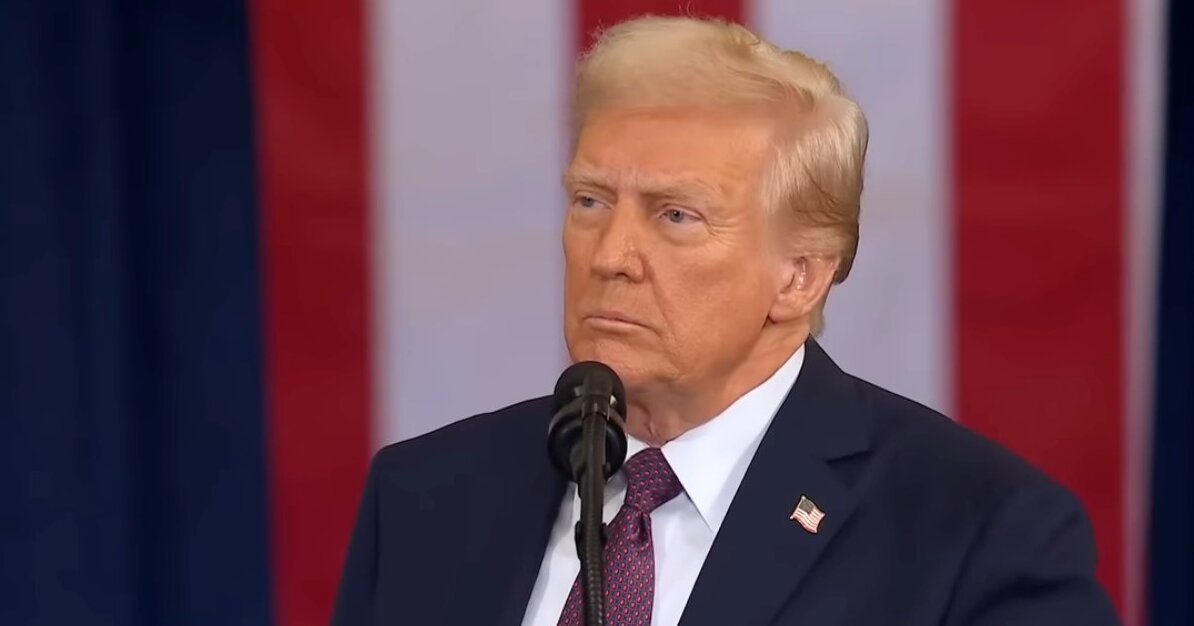
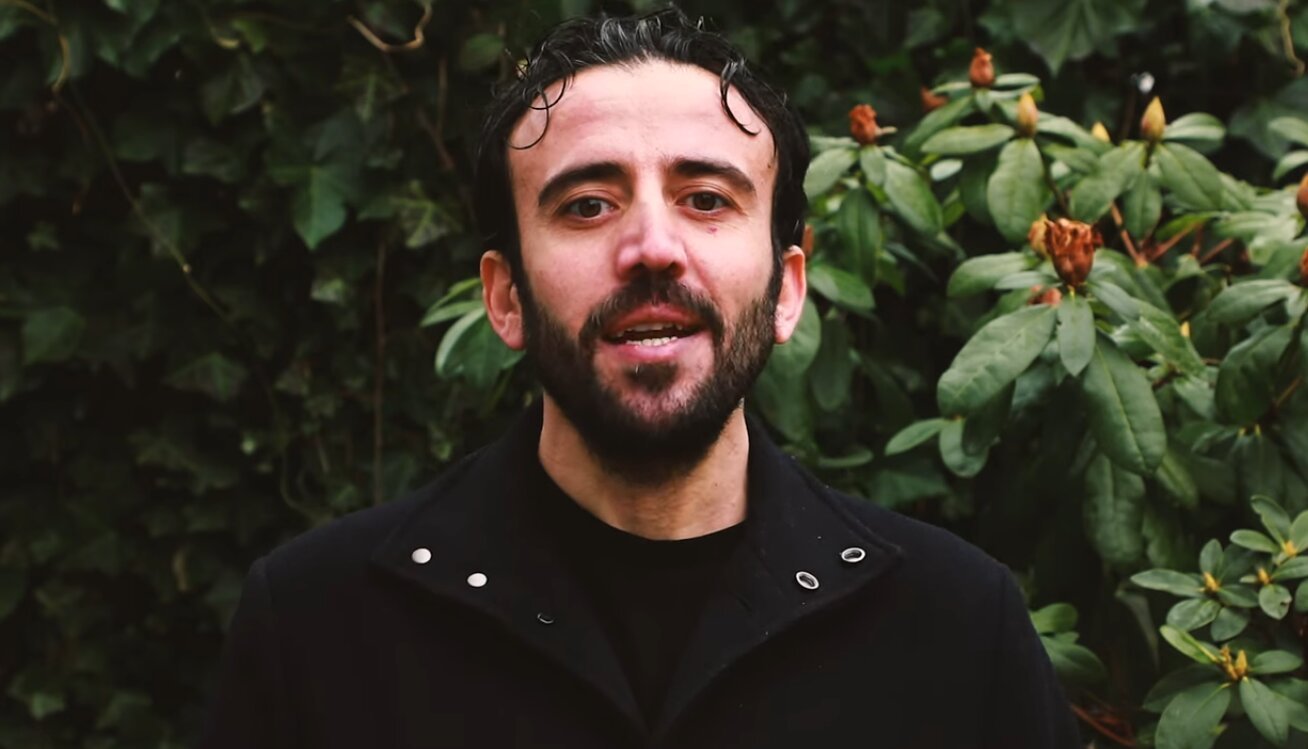
A tense diplomatic moment at U.S.-Iran peace talks in Switzerland has drawn attention after Iranian state media claimed Foreign Minister Abbas Araghchi snubbed Vice President JD Vance during a planned press appearance.
Video from the meeting showed Araghchi entering a room where Vance, U.S. officials and mediators were gathered. Araghchi greeted and embraced Pakistani Prime Minister Shehbaz Sharif, then left the room without publicly interacting with the American delegation. Vance appeared to remain at a distance during the brief exchange.
Iranian state-linked outlets later framed the moment as a deliberate refusal to participate in a joint media appearance with the United States. U.S. officials disputed that account, saying Iranian representatives had previously agreed to a press availability and brought state media to cover it.
According to a U.S. official quoted in reports, the Iranian delegation left after seeing the amount of press present and later distributed what Washington described as an inaccurate version of the situation.
TRENDING TODAY
The episode reflects the fragile atmosphere surrounding the Switzerland talks, which are aimed at turning a recently signed U.S.-Iran memorandum of understanding into a broader agreement. Vance traveled to Switzerland with White House envoys Steve Witkoff and Jared Kushner as the Trump administration pushes for progress on Iran’s nuclear program, sanctions, the Strait of Hormuz and the Lebanon ceasefire.
The talks are taking place during a 60-day negotiating window created by the preliminary agreement. Supporters of the process say direct engagement is necessary to prevent a return to war. Critics argue that Tehran may use negotiations to gain time, money or diplomatic legitimacy without making enough firm concessions.
Optics matter in diplomacy, especially when the two sides have spent years treating each other as enemies. A handshake, photo or joint statement can signal momentum. Refusing one can send the opposite message, even if the substance of negotiations continues behind closed doors.
That is why the disputed photo-op quickly became part of the broader political fight over Trump’s Iran framework. Supporters of the administration may argue that the public tension shows the talks are difficult but real. Critics may say the moment shows Iran is trying to embarrass the United States while extracting concessions.
For Vance, the incident adds scrutiny to his role in the negotiations. The vice president has said the goal in Switzerland is to establish the structure for future talks and make progress on nuclear and regional security issues. But the photo-op dispute shows how easily symbolism can overshadow substance.
Iran’s decision to avoid a joint appearance, if deliberate, may also have been aimed at domestic audiences. Iranian officials often try to avoid imagery that suggests weakness or public compromise with Washington. The U.S. side faces its own political pressure, with lawmakers from both parties questioning whether the Iran framework gives Tehran too much too soon.
The larger test remains whether negotiators can move beyond optics and reach enforceable terms. That means agreeing on inspections, uranium limits, sanctions relief, regional de-escalation and what happens if either side violates the deal.
For now, the Switzerland talks have begun with progress claims, public mistrust and a viral diplomatic moment that shows how fragile the process remains.
Why It Matters
The photo-op dispute matters because it shows how little trust exists between Washington and Tehran even as direct talks resume. The moment may not decide the outcome of negotiations, but it highlights the political and symbolic pressure facing both sides.
What Comes Next
Negotiators are expected to continue working on the structure of the talks, nuclear verification, sanctions issues and the Lebanon ceasefire. If more public disputes emerge, they could make it harder for both governments to sell the diplomatic process at home.
A video shared online showed Abbas Araghchi briefly entering the same room as JD Vance before Iranian sources said Tehran objected to a joint media appearance.
Araghchi briefly appeared in the same room with Vance before the cameras.
But Iranian sources report Tehran refused to enter the meeting until journalists left, rejecting what they called an American “media show.”
Iran is still denying Trump the photo-op he’s long sought. pic.twitter.com/SgNPKLjlUn
— Sina Toossi (@SinaToossi) June 21, 2026