Iran said its forces struck two oil tankers attempting to travel through the Strait of Hormuz, adding another dangerous episode to the battle for control of one of the world’s most important energy routes.
Iran’s Islamic Revolutionary Guard Corps claimed the vessels were using an unauthorized route and were operating with assistance from the U.S. military. Iranian authorities also said four other tankers reversed course after the intervention.
The reported attacks have not been independently confirmed, and the names, ownership and condition of the two vessels were not immediately established. Shipping data nevertheless showed that some large oil and commodities vessels were still able to pass through the strait on Friday despite the heightened security risks.
The Strait of Hormuz separates Iran from Oman and normally handles roughly one-fifth of global energy shipments. Restrictions and attacks in the waterway can therefore affect oil supplies far beyond the Middle East, influencing fuel prices, transportation costs and inflation in countries that depend on imported energy.
TRENDING TODAY

Iran and the United States are now promoting competing systems for commercial passage. Tehran has demanded that vessels register with an Iranian authority and follow a route closer to Iran’s coastline. The United States has supported an alternative route near Oman and has helped coordinate some commercial transits using military surveillance and guidance.
Shipping companies, however, have reportedly become increasingly reluctant to use the U.S.-supported route after several vessels were attacked in or near Omani waters. Industry representatives have raised questions about whether military guidance can provide sufficient protection against missiles, drones and other threats.
The confrontation has sharply reduced normal traffic. Before the war, approximately 130 vessels reportedly crossed the strait each day. Recent traffic has fallen dramatically as shipping operators assess the danger to their vessels and crews. International maritime law generally recognizes the strait as an international waterway in which commercial ships should have the right of passage, although both Washington and Tehran are attempting to impose their own conditions.
Oil prices rose following Iran’s announcement. Brent crude ended July near $90 per barrel after posting a major monthly increase, reflecting fears that continued fighting could further restrict Gulf exports. Analysts have warned that prices may remain volatile because even temporary attacks can cause shipping delays, raise insurance costs and force tankers onto longer routes.
For ordinary consumers, the effects may extend beyond prices at gasoline stations. Higher crude and diesel costs can increase the expense of trucking, aviation, farming, manufacturing and shipping. Businesses may eventually pass part of those increases to customers through higher prices for food and other goods.
The conflict has also produced substantial gains for major oil companies. ExxonMobil reported second-quarter profit of approximately $14.5 billion, about twice its result from the same period a year earlier. Chevron reported profit of approximately $12.1 billion, nearly four times the previous year’s level. Higher oil prices and stronger refining margins contributed to both companies’ earnings.
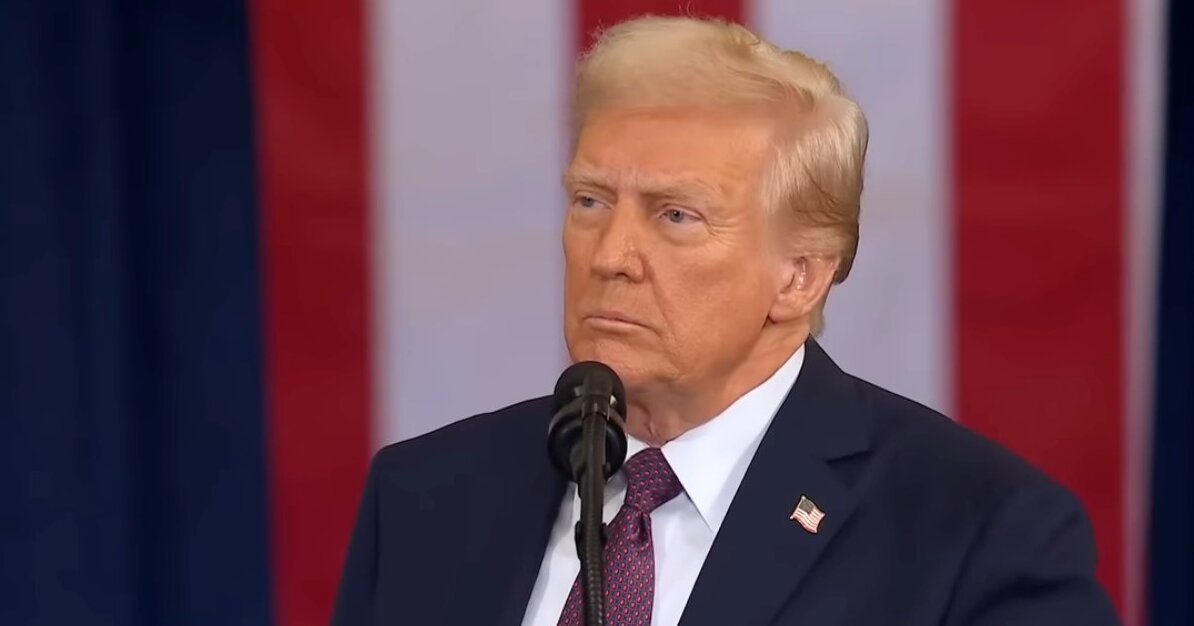
President Donald Trump discussed the conflict with members of his cabinet at Camp David as his administration considered its military and diplomatic options. Trump said he still believed an agreement with Iran could be reached, while also warning that additional U.S. attacks remained possible.
The administration is facing growing pressure to explain its long-term objectives. A recent national survey found that 79% of respondents expected U.S. involvement to continue for an extended period, while 37% approved of the military strikes. Sixty percent said they expected gasoline prices to worsen because of the war.
Congress has also shown signs of increased concern. The Senate voted 49-50 against advancing a war-powers resolution that would have required Trump to withdraw U.S. forces unless Congress specifically authorized continued military action. Three Republican senators supported advancing the measure, while one Democratic senator opposed it.
The tanker incident illustrates the central difficulty facing Washington: military strikes may damage Iranian targets, but they do not automatically guarantee safe commercial passage through a narrow waterway located next to Iran’s coastline. Tehran can continue threatening ships at relatively low cost, while shipping companies must consider the potentially enormous financial and human consequences of a successful attack.
Why It Matters
The Strait of Hormuz is not only a regional military battleground. It is a critical part of the global economy. Continued attacks could raise fuel, transportation and food costs while creating uncertainty for businesses and energy-importing countries.
The crisis may also become an important issue in the U.S. midterm elections as voters evaluate the war’s military cost, its effect on inflation and whether the administration has presented a realistic strategy for ending the conflict.
What Comes Next
U.S. officials will decide whether to expand military protection for commercial vessels, increase strikes against Iranian targets or place greater emphasis on negotiations.
Shipping companies will closely watch whether the two reportedly targeted tankers can be identified and whether independent maritime authorities confirm Iran’s account. Oil prices are likely to remain sensitive to each new attack, ceasefire proposal or change in traffic through the strait.
Oman and other Gulf governments may continue attempting to negotiate a managed transit system, but a lasting reopening will probably require an agreement that both Washington and Tehran are prepared to respect.
Vessel-tracking data shared online appeared to show sharply reduced tanker traffic through parts of the Strait of Hormuz as security concerns intensified.
🇮🇷🇺🇸 Traffic data from the Strait of Hormuz shows virtually no tankers using the U.S-backed Omani route after Iran attacked ships transiting without its permission
5 months in, countless airstrikes and threats, and the U.S still can’t open the Strait
This will go down in…
— Mario Nawfal (@MarioNawfal) August 1, 2026