Defense Secretary Pete Hegseth said the United States is prepared to restart military strikes on Iran if negotiations fail to produce a deal preventing Tehran from obtaining a nuclear weapon.
Speaking at the Shangri-La Dialogue in Singapore, Hegseth said the U.S. military retains the capability and stockpiles needed to resume operations if ordered by President Donald Trump.
“Our ability to recommence if necessary, we are more than capable,” Hegseth said.
He added that U.S. munitions stockpiles are sufficient both in the region and globally.
TRENDING TODAY

The remarks came as U.S. and Iranian negotiators continued trying to bridge major disagreements over a possible agreement to extend the current truce and begin work toward a longer-term settlement.
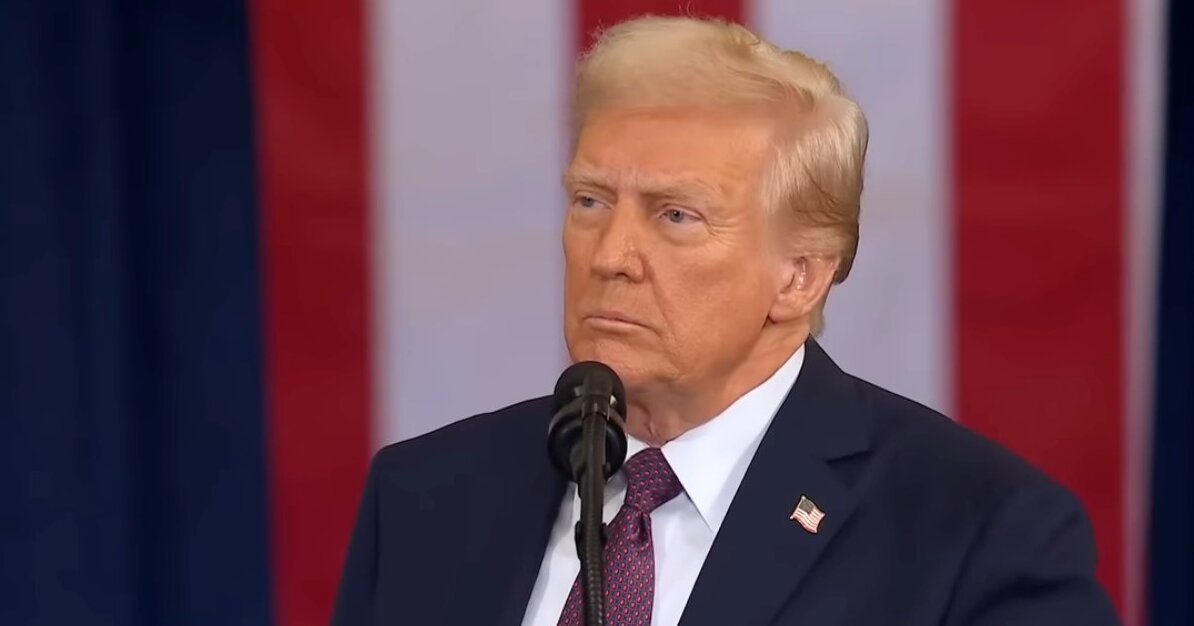
Trump has said he wants a strong deal that ensures Iran cannot obtain a nuclear weapon.
Hegseth said the president has been patient but remains prepared to act if diplomacy does not succeed.
The proposal under discussion would reportedly extend the current ceasefire for another 60 days, giving negotiators more time to pursue a permanent arrangement.
Trump said he would review the proposal in a secure White House setting before making a final decision.
Hegseth also pushed back on concerns that the Iran conflict could distract the U.S. from the Indo-Pacific.
He said Washington can handle multiple global priorities at once and remains focused on strengthening its military posture in Asia.
“We can do two things at one time,” Hegseth said.
He argued that the administration is expanding the defense industrial base to produce more munitions and ensure U.S. operations around the world remain fully supplied.
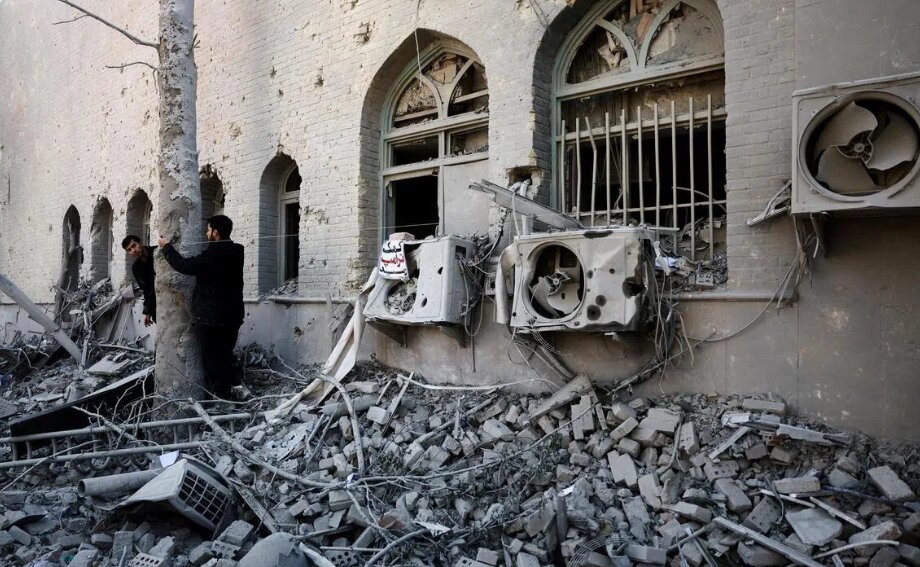
The comments come as the war with Iran has raised fears of broader escalation, higher energy prices and continued instability around the Strait of Hormuz.
Iran’s disruption of the waterway has already affected global shipping and energy markets.
The Strait of Hormuz remains one of the most important oil transit routes in the world, making any prolonged closure a major economic and security threat.
The administration is now trying to balance military pressure with diplomacy.
Officials say sanctions relief and any broader agreement would depend on Iran making major concessions, including limits on its nuclear program.
Hegseth’s message was clear: the U.S. is willing to negotiate, but it is not ruling out renewed force if Iran refuses a deal.
Why It Matters
Hegseth’s comments signal that the Trump administration is keeping military pressure on Iran while negotiators pursue a possible ceasefire extension and nuclear framework. The threat of renewed strikes could shape talks, energy markets and U.S. posture in the Middle East.
What Comes Next
Trump is expected to review the proposed ceasefire extension before deciding whether to approve it. If talks fail or Iran refuses nuclear concessions, U.S. military operations could resume.
Hegseth warned that the U.S. is prepared to resume military action against Iran if negotiations fail to produce a deal.
🚨| US Defense Secretary Pete Hegseth delivers stern warning to Iran, saying President Donald Trump has made the choice clear – return to the negotiating table and sign a deal, or be prepared to face the full strength of the American military pic.twitter.com/WLkzYWTtgg
— The Tatva (@thetatvaindia) May 29, 2026