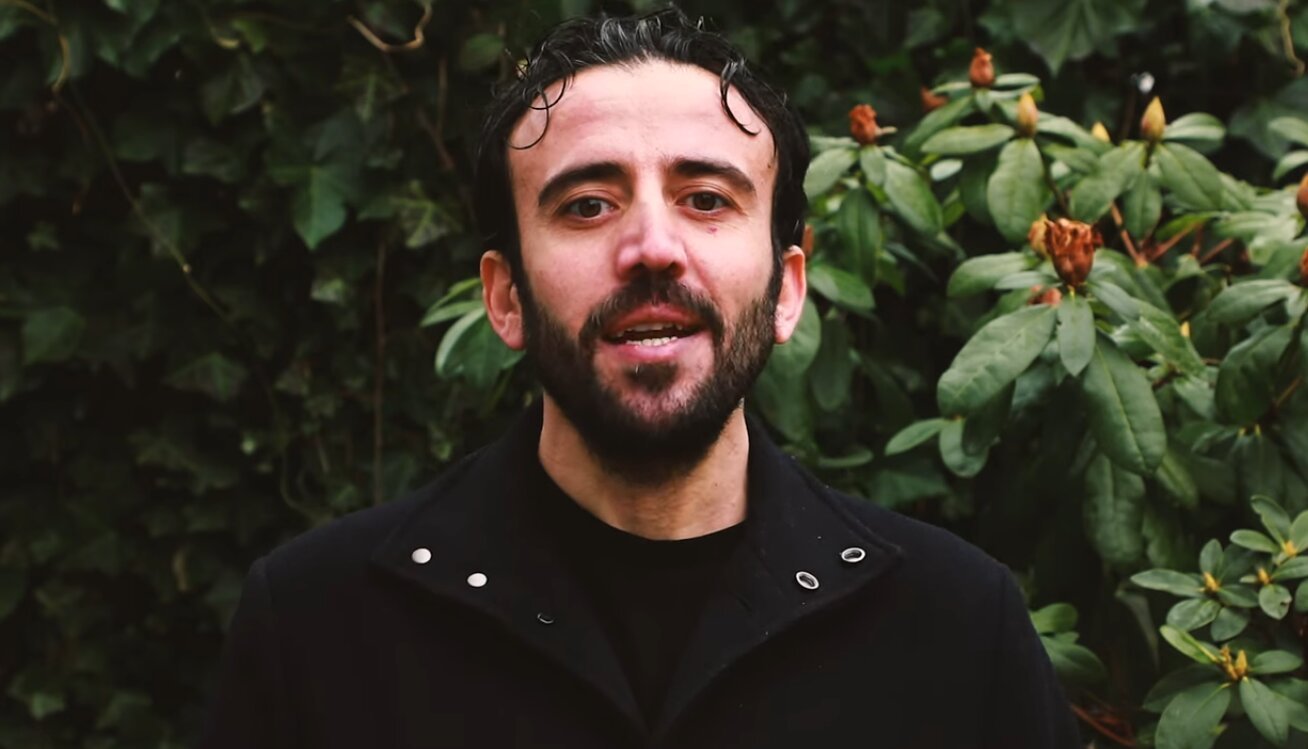
Graham Platner’s victory in Maine’s Democratic Senate primary is more than a local political upset. It may be a warning sign for both parties heading into the midterms: voters are increasingly willing to back candidates with serious flaws if they believe those candidates will challenge an economy they see as rigged for billionaires and large corporations.
Platner, a Marine veteran and oyster farmer, won the Democratic nomination to challenge Republican Sen. Susan Collins despite a long list of controversies that would likely have ended the campaigns of more traditional candidates. His victory has unsettled Democratic strategists, divided parts of the party and raised questions about electability in one of the most important Senate races of 2026.
But focusing only on Platner’s baggage risks missing the bigger lesson.
His win suggests that many voters are not simply rejecting incumbents or rewarding outsiders for the sake of disruption. They are responding to candidates who speak directly to economic unfairness, corporate power, housing pressure, health care costs and the belief that ordinary people no longer get a fair deal.
TRENDING TODAY


That message is not limited to the left. Across wealthy democracies, voters have become increasingly skeptical of concentrated corporate power, billionaire influence, private equity, large technology companies and political systems that appear more responsive to donors than workers. That frustration can move in very different directions. It can fuel democratic reform, or it can fuel resentment and exclusion.
The key difference is where the anger is aimed.
Platner’s campaign has leaned into a form of economic populism that blames billionaires, corporate consolidation and a political establishment seen as too comfortable with inequality. Supporters say that message feels more concrete than generic appeals to unity or competence. It tells voters who caused the problem and what kind of economic fight the candidate is willing to take on.
That is why Platner’s victory matters beyond Maine. It points to a possible midterms playbook for candidates who want to mobilize voters without relying only on anti-Trump messaging or standard party loyalty.
Democrats have often struggled to speak clearly about economic power. The party talks about protecting democracy, defending rights and expanding opportunity, but many voters still see Democratic leaders as too close to donors, consultants, Wall Street and major corporations. Platner’s win suggests that candidates who sound more willing to confront concentrated wealth may have an advantage, even when they carry personal and political risks.
That does not mean every outsider with a scandal becomes electable. Platner’s controversies will not disappear in the general election. Republicans are certain to use them aggressively, and moderate voters may still recoil from parts of his past. Democrats also face the risk that embracing flawed candidates weakens their ability to make character-based arguments against Republicans.
But the primary result shows that many voters are making a calculation. They may dislike a candidate’s baggage, but they dislike the current economic system more. If they believe a candidate understands that anger and will fight for them, they may be willing to overlook flaws that once seemed disqualifying.
That dynamic is not unique to Democrats. Donald Trump built much of his political appeal by telling voters that elites had betrayed them. Bernie Sanders did the same from the left, targeting billionaires, Wall Street and corporate power. The difference between those forms of populism is not whether voters are angry. It is whether that anger is directed at concentrated economic power or at vulnerable groups, immigrants, minorities and democratic institutions.
That distinction matters. Economic populism can strengthen democracy when it pushes leaders to respond to real hardship: unaffordable housing, medical debt, stagnant wages, corporate consolidation and distrust of monopolies. But populism can become dangerous when it turns into scapegoating, conspiracy politics or hostility to pluralism.
Platner’s victory suggests that voters are hungry for the first version: a politics that says the economic deal is broken and needs to be rewritten.
That hunger may shape other Democratic primaries. Candidates such as Abdul El-Sayed in Michigan, Zohran Mamdani in New York and James Talarico in Texas have all drawn attention by challenging establishment assumptions and emphasizing affordability, corporate power and working-class frustration. Their styles differ, but they are all tapping into a similar mood: voters want someone who seems willing to fight the people and institutions they blame for making life harder.
For Democratic leaders, the lesson is uncomfortable. The party cannot assume that voters will automatically reward experience, endorsements or institutional respectability. Nor can it assume that concerns about democracy alone will be enough. Many voters want a democracy that delivers material results.
That is why Senate Democratic leader Chuck Schumer and other establishment figures should pay attention. Platner’s win is not only a rebuke of one candidate or one primary. It reflects a deeper impatience with leaders who sound cautious while voters feel squeezed.
The midterms may reward candidates who can combine credibility, discipline and an economic message that names the problem clearly. The most successful version of this message will not be anti-business in a broad sense. Many voters still admire small businesses and entrepreneurship. Their anger is aimed more specifically at monopolies, private equity, corporate landlords, giant technology firms and billionaire influence over politics.
That creates an opening for candidates who can say they want to save capitalism from its most concentrated and abusive forms, not replace it entirely.
The danger for Democrats is that they may learn the wrong lesson. Platner’s win does not mean scandals do not matter. It does not mean voters will forgive everything. It does not mean the party should ignore candidate vetting. The general election will test whether his economic message can survive months of Republican attacks.
But it does mean that economic unfairness is becoming one of the strongest forces in American politics.
Candidates who understand that may be able to reach voters who are exhausted by culture-war distractions and skeptical of polished politicians. Candidates who ignore it may find themselves losing to people they consider too risky, too rough or too far outside the mainstream.
Platner’s victory reveals a simple but powerful message for 2026: voters want someone they trust to change the economic deal. The party that figures out how to offer that without sliding into resentment or chaos may have the stronger midterms playbook.
Why It Matters
Platner’s victory matters because it suggests that anti-billionaire and anti-corporate sentiment could shape the midterms more than party leaders expect. Voters are not only asking who can defeat the other side. They are asking who will challenge the economic system they believe is failing them.
For Democrats, the lesson is especially urgent. A candidate with major controversies still won because many voters saw him as more authentic and more willing to confront concentrated economic power than the establishment alternatives.
What Comes Next
The general election against Susan Collins will test whether Platner’s economic populism can survive outside a Democratic primary. Republicans will likely focus heavily on his controversies, while Platner will try to keep the race centered on corporate power, affordability and working-class anger.
Other Democratic candidates will be watching closely. If Platner remains competitive, more campaigns may adopt a sharper anti-billionaire message heading into November.
Commentators in Maine said Platner’s economic message resonated with voters who saw him as direct, personal and focused on working-class frustration.
Graham Platner’s populist economic message is connecting with Democratic voters in Maine despite his “complicated and messy” personal life, says Shay Stewart-Bouley, a writer and civil rights activist in Maine. “He makes people feel heard.” https://t.co/aov2cZURTT pic.twitter.com/MczqFLA4j4
— Democracy Now! (@democracynow) June 8, 2026