A critical care doctor is warning that a series of Trump administration policy changes could weaken protections for children across several stages of life, from newborn health care to school programs, food assistance and disability rights.
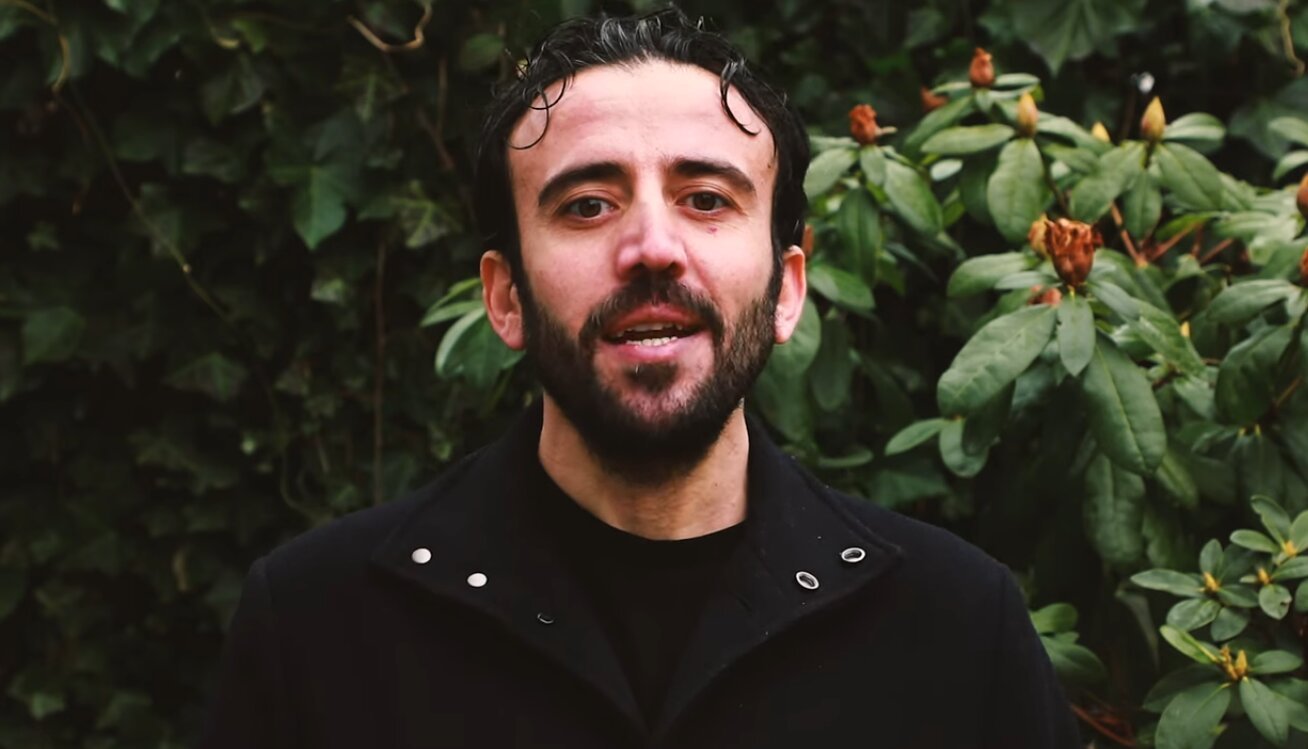
Robert B. Shpiner, a clinical professor of medicine in pulmonary and critical care at UCLA’s David Geffen School of Medicine, argues that the administration’s changes may look separate when viewed one at a time. But taken together, he says, they form a broader pattern of reducing federal protections that have long supported children’s health and development.
One major concern involves vaccines and newborn care. Under Health Secretary Robert F. Kennedy Jr., the routine childhood immunization schedule has reportedly been narrowed, with the hepatitis B birth dose among the changes being challenged. Shpiner argues that this matters because hepatitis B infection in infancy is far more likely to become chronic than infection later in life. Chronic hepatitis B can lead to cirrhosis and liver cancer decades later.
The doctor also points to rising refusals of vitamin K shots for newborns. Vitamin K is not a vaccine, but it helps prevent dangerous bleeding in newborns, including bleeding in the brain. Shpiner argues that weakening trust in basic newborn protections could bring back preventable harms.
TRENDING TODAY


The concerns continue into early childhood. The administration’s budget would reportedly reduce WIC fruit-and-vegetable benefits for young children, cutting monthly support from $26 to $10. Head Start, a major early education program for low-income preschoolers, has also faced proposed cuts, freezes and staffing reductions.
By school age, many children rely on Medicaid or the Children’s Health Insurance Program. According to figures cited in the source text, millions of children have lost coverage or are no longer enrolled compared with the start of Trump’s current term. The author warns that deeper cuts could still be ahead.
Food assistance is another major concern. Cuts to food stamp programs could push millions of people off the rolls, many of them parents. A separate federal program that bought locally grown produce for school cafeterias was also cancelled, raising concerns about nutrition support for students.
The administration has also moved to shift oversight of the Individuals with Disabilities Education Act, which protects millions of children with disabilities, to the Department of Health and Human Services. The Office for Civil Rights, which investigates discrimination complaints, would move to the Department of Justice. Critics say the changes appear designed to weaken or restructure the Department of Education rather than improve services for children.
Shpiner also argues that the administration is reducing the ability to measure harm. He notes that states no longer have to report whether children on Medicaid have been immunized, and that some newborn health data is not tracked federally. In his view, reducing data collection makes it harder to see the consequences of policy changes.
The administration and its allies may argue that these changes reflect fiscal discipline, parental choice, local control and a smaller federal role. But critics say children are bearing the cost of those decisions.
The debate is likely to continue in courts, Congress and public health agencies as vaccine policy, Medicaid enrollment, food aid and education oversight become major political issues.
Why It Matters
The issue matters because children depend heavily on public systems they cannot control. Vaccines, nutrition programs, health insurance, disability protections and early education can shape lifelong outcomes.
It also matters because many of the harms described by critics may not appear immediately. Missed vaccines, lost coverage or reduced nutrition support can create consequences years later.
What Comes Next
Public health groups, education advocates and legal organizations are likely to challenge some of the administration’s policies through courts and public comment processes.
The biggest fights ahead may involve vaccine rules, Medicaid and CHIP enrollment, food assistance cuts and the future of federal education oversight for children with disabilities.