Florida Gov. Ron DeSantis announced Thursday that the controversial immigration detention facility known as “Alligator Alcatraz” has closed after helping federal authorities deport about 21,000 people during its year of operation.
Speaking at the now-empty site in Ochopee, Florida, DeSantis said the facility had “fulfilled the role” it was built to serve and no longer had detainees inside. The tent-based immigration jail was set up at the Dade-Collier Training and Transition Airport in the Everglades, a remote and environmentally sensitive area in South Florida.
DeSantis appeared alongside White House border czar Tom Homan and other officials, presenting the closure as a success for the Trump administration’s immigration enforcement agenda. The governor said the site helped remove people he described as public safety threats and argued that Florida and the country were safer because of the operation.
The facility became one of the most recognizable symbols of Trump-era immigration enforcement after opening in 2025. Supporters said its remote location made it useful for detention and deportation flights, while critics quickly labeled it a costly and harsh political project.
TRENDING TODAY


State officials said detainees who remained at the site had been transferred to other federal immigration facilities before the shutdown. DeSantis also said Florida’s other immigration detention facility, known as the Deportation Depot in Baker County, would remain open as the state continues cooperating with federal immigration enforcement.
The closure does not end the debate over Alligator Alcatraz. Civil rights groups, immigration advocates and environmental organizations have spent months criticizing the facility over reported detention conditions, legal access concerns and its location near the fragile Everglades ecosystem.
Advocates alleged that some detainees faced poor conditions, limited access to lawyers and isolation from family members. The facility also faced lawsuits raising environmental, due process and civil rights concerns. Environmental groups and tribal representatives argued that placing a detention site in the Everglades risked harm to wetlands, wildlife and nearby communities.
DeSantis defended the operation and said officials worked to contain the site’s environmental impact. He also said Florida still expects federal reimbursement for costs tied to the facility. The price tag has drawn political scrutiny, with local reporting citing court records showing the site cost the state roughly $1 million per day to operate.
That cost is one of the reasons critics say the closure represents a political defeat for DeSantis. They argue that Florida taxpayers carried a major financial burden for a facility that became known nationally for controversy, litigation and allegations of mistreatment. Supporters counter that the cost was justified if the site helped speed removals and reduce the presence of people accused of crimes or immigration violations.
A central dispute remains over who was held at the site. DeSantis and Homan said many detainees were criminals or public safety threats. But immigration advocates and media investigations have reported that some detainees had no criminal convictions and were being held only on immigration-related grounds. Violating immigration law is generally a civil matter, though some people in immigration custody may also have criminal records or pending criminal charges.
That distinction matters because the public debate around the facility has often focused on whether it was primarily used for dangerous offenders or whether it swept in broader groups of migrants. Without a full public breakdown of detainee records, the issue is likely to remain contested.
For ordinary Floridians and taxpayers, the shutdown raises several practical questions. The state spent significant money building and operating the facility, and DeSantis said he still expects reimbursement from the federal government. If reimbursement is delayed or incomplete, Florida taxpayers may remain on the hook for part of the cost.
The location also matters. The Everglades are one of the country’s most important environmental areas, and disputes over pollution, concrete slabs, water impact and site restoration could continue even after the last detainees have been transferred.
Politically, the closure gives both sides something to claim. DeSantis can point to the 21,000 deportations as evidence that the facility served its purpose. Opponents can point to the shutdown as proof that public pressure, lawsuits and criticism made the site too controversial to continue.
Why It Matters
The closure matters because Alligator Alcatraz became a national symbol of the Trump administration’s immigration crackdown and Florida’s role in supporting it. For supporters, the site showed how states can help federal authorities accelerate deportations. For critics, it showed the risks of building high-cost detention operations with limited oversight.
The issue also matters for taxpayers, detainees, local communities and the environment. A facility that reportedly cost around $1 million or more per day raises questions about public spending, while allegations of poor conditions and environmental harm raise broader concerns about how immigration enforcement is carried out.
What Comes Next
Florida officials say immigration enforcement will continue through other facilities, including the Deportation Depot in Baker County. Federal authorities are also expected to keep relying on state partnerships as the Trump administration expands detention and removal operations.
Legal and environmental disputes may continue even after the facility’s closure. Advocacy groups and tribal representatives are likely to keep pressing for answers about site restoration, costs, detainee treatment and whether Florida will receive federal reimbursement.
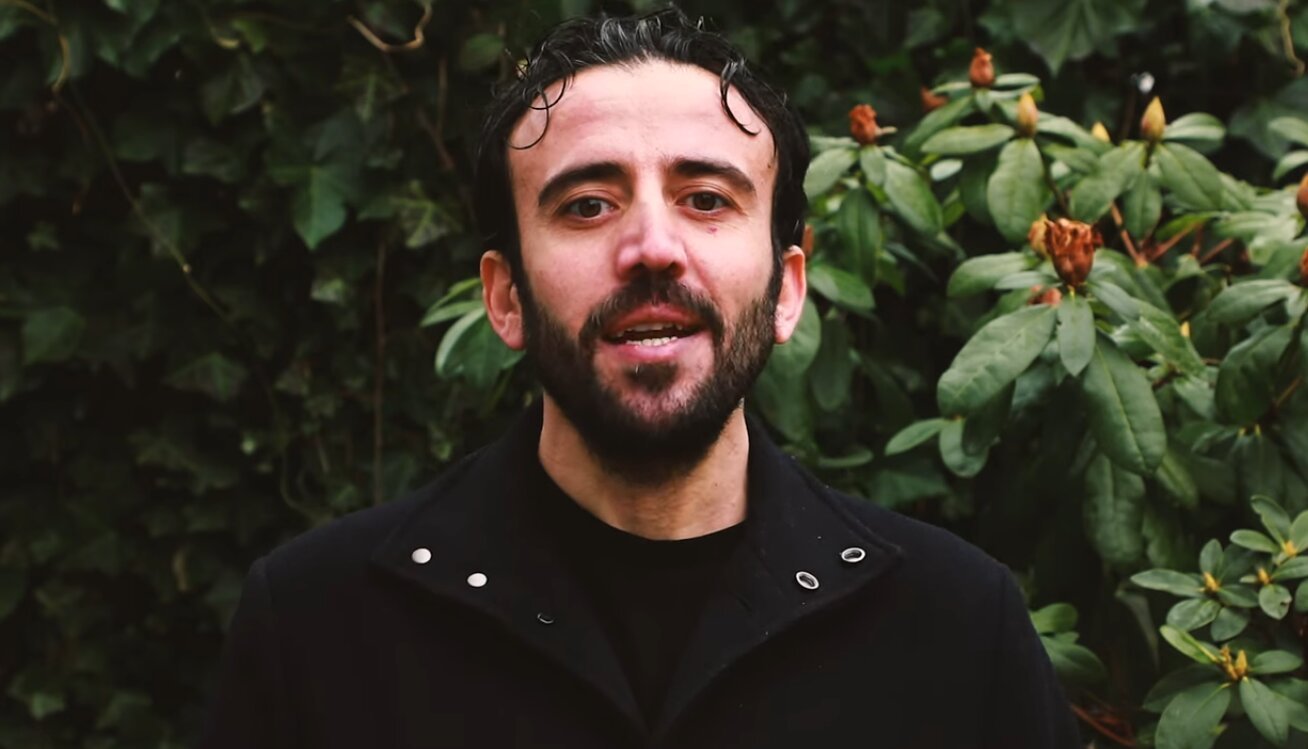
Gov. Ron DeSantis announced the closure of the Alligator Alcatraz detention facility during a press conference focused on immigration enforcement.
WATCH: Florida Gov. DeSantis announces closure of “Alligator Alcatraz” detention facility. pic.twitter.com/iMURsPqOpi
— Breaking911 (@Breaking911) June 25, 2026