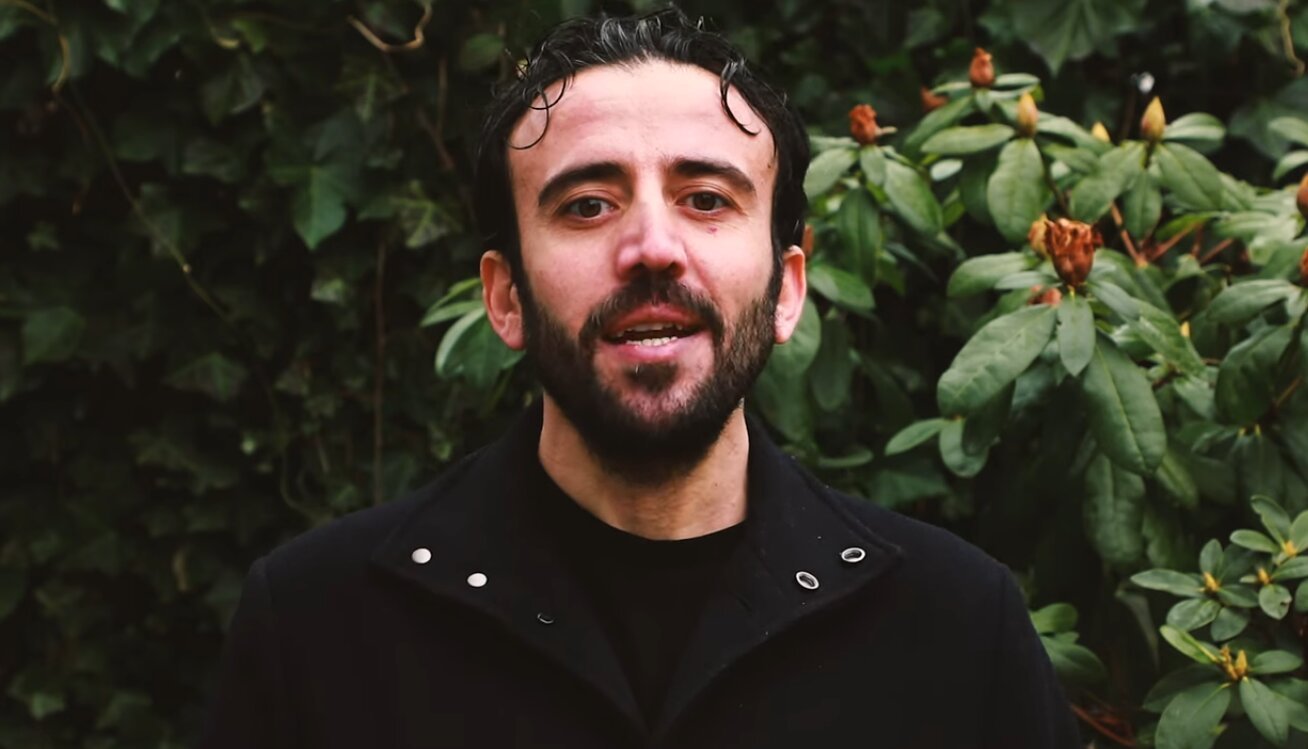
Democratic officials are urgently examining how they could replace Graham Platner as their U.S. Senate nominee in Maine as pressure grows on him to withdraw following a sexual assault allegation that he denies.
Platner has not announced a final decision about his candidacy. He said he was considering the best path forward after a former partner alleged that he assaulted her in 2021. Democratic leaders, including several figures who previously supported his campaign, have called on him to leave the race.
The growing crisis has placed new attention on Maine’s election laws and an approaching deadline that could determine whether Democrats are able to nominate someone else before the November general election.
Under Maine law, Platner would need to withdraw voluntarily by 5 p.m. on Monday, July 13 for the Democratic Party to make a standard replacement nomination. The party would then have until 5 p.m. on July 27 to select a new nominee. State law allows a political committee to fill the vacancy but does not establish a new statewide primary election or prescribe a detailed public selection process.
TRENDING TODAY


Democratic officials cannot simply remove Platner from the ballot themselves. He must first decide to withdraw. If he stays in the race beyond the deadline, the party’s ability to replace him through the normal process would be severely restricted.
That gives Platner enormous influence over what happens next, even as much of the Democratic establishment distances itself from his campaign.
Senate Democratic leaders have warned that national party organizations will not invest in the Maine race while Platner remains the nominee. Bernie Sanders, once one of Platner’s most important progressive supporters, has also recommended that he step aside. Democrats view Maine as a significant opportunity to defeat five-term Republican Sen. Susan Collins, making the uncertainty especially damaging for the party’s chances of winning Senate control.
Several potential replacement candidates are already being discussed.
Former Maine Senate President Troy Jackson has filed federal paperwork allowing him to explore a campaign and begin raising money. Jackson, a logger and longtime advocate for working-class voters, could appeal to progressives who supported Platner’s anti-establishment economic message.
Nirav Shah, the former director of the Maine Center for Disease Control and Prevention, is also receiving encouragement to enter the race. Shah has called for any replacement process to include televised debates and public town halls across Maine, arguing that voters should have a meaningful role rather than leaving the decision entirely to party insiders.
Maine Secretary of State Shenna Bellows has also been identified as a possible nominee. Her statewide experience and name recognition could make her attractive to Democrats seeking a candidate capable of quickly building a campaign organization.
Other names have reportedly been discussed, but the party faces a difficult balance. Selecting someone closely associated with Platner’s progressive movement could help retain the volunteers and small donors who powered his primary victory. Choosing a more moderate or established figure could reassure national donors and voters concerned about electability against Collins.
The process itself could become controversial.
State law gives the Democratic Party authority to nominate a replacement but does not require a second primary. That means a relatively small group of party officials could technically make the decision, even though Democratic voters selected Platner in June.
Maine Democratic leaders have promised that any replacement process would be open, transparent and inclusive. Public debates, town halls or meetings involving party activists could help provide legitimacy, but the short two-week window would leave little time for traditional campaigning.
The eventual replacement would also begin at a major disadvantage. Collins has an established statewide organization, nearly $10 million in campaign funds and support from Republican outside groups preparing to spend heavily in Maine. A new Democratic nominee would need to introduce themselves to voters, raise money and unite a divided party in only a few months.
For Maine voters, the crisis raises a broader democratic question: how should a party replace a nominee after the primary has already taken place? A fast party-led process may be legally necessary, but it risks leaving voters feeling that their original choice was overturned behind closed doors.
Why It Matters
Maine is one of the few states where Democrats believe they have a realistic chance to defeat a Republican senator. Losing the opportunity because of a damaged nominee could make the party’s path to Senate control significantly more difficult. The replacement process will also test whether Democrats can move quickly while still giving voters and local activists a meaningful voice.
What Comes Next
Platner must decide whether to withdraw before the July 13 deadline. If he steps aside, the Maine Democratic Party will have two weeks to choose a replacement, likely from a group that includes Troy Jackson, Nirav Shah and Shenna Bellows. The party will then need to unite around the new nominee and rapidly prepare for a heavily funded race against Susan Collins.
Rashida Tlaib withdrew her endorsement and called for Platner to be replaced by another progressive candidate.
Rashida Tlaib @RashidaTlaib withdraws her support for Graham Platner @grahamformaine, with the key quote being:
“So that he (Platner) can be replaced by a progressive fighter who will deliver for the people and help win back the Senate.”
The Islamic Communists already have… pic.twitter.com/NZTi6pyXqF
— Loomer Unleashed (@LoomerUnleashed) July 7, 2026