Washington, D.C. voters are choosing a new mayor at a moment when the city’s relationship with the federal government has become one of the biggest issues in local politics.
For the first time in more than a decade, the nation’s capital is preparing for a mayoral transition. Mayor Muriel Bowser is stepping away after leading the district through both of Donald Trump’s presidencies, leaving the next mayor to inherit major challenges involving public safety, housing affordability, immigration enforcement and the city’s long-running fight for greater autonomy.
The Democratic primary is especially important in a city where Democratic voters dominate local politics. Whoever wins the nomination is widely expected to become the favorite in November.
Two leading candidates have emerged: D.C. Councilmember Janeese Lewis George and former Councilmember Kenyan McDuffie. Both have promised to defend Washington’s right to govern itself, but they are offering different approaches to the Trump administration and to the city’s most urgent problems.
TRENDING TODAY

Lewis George, a democratic socialist and two-term councilmember, is campaigning on a “people-first” platform focused on affordability. Her agenda includes lowering childcare costs, reducing utility bills, stabilizing rent and expanding down-payment assistance for residents trying to buy homes.
McDuffie, a former prosecutor and former at-large councilmember, has drawn support from parts of Washington’s business community, including real estate and restaurant interests. His campaign has emphasized public safety, affordable housing and economic development.
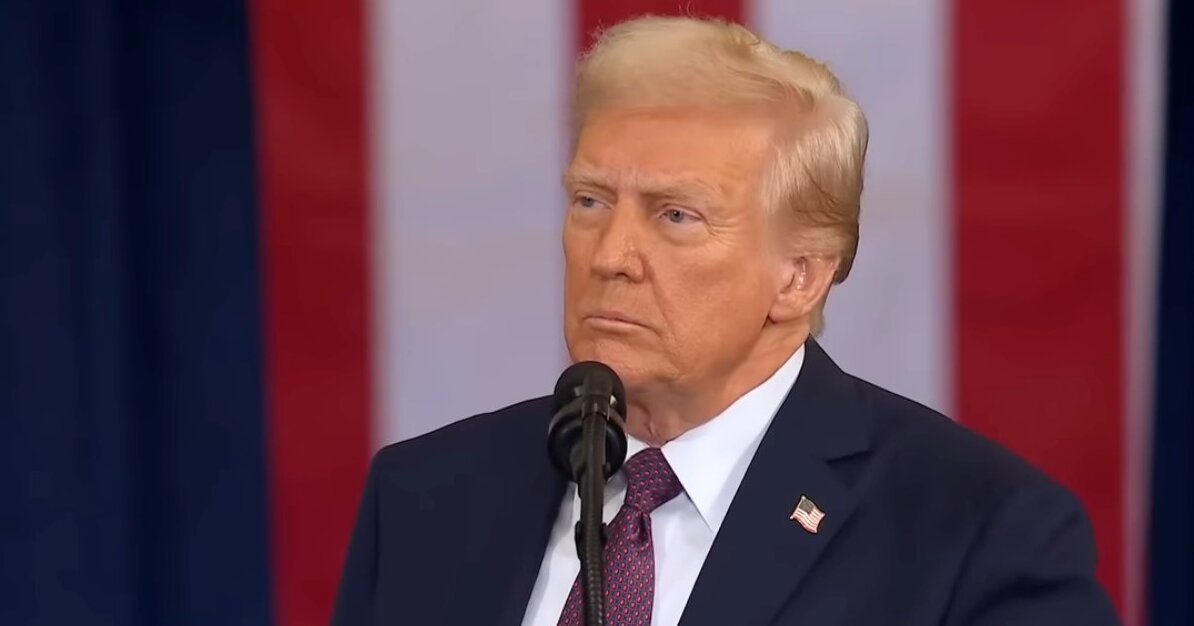
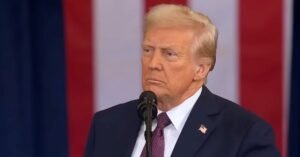
Trump added fuel to the race when he suggested that the federal government could take a more direct role in running Washington if Lewis George wins. His comments raised new concerns about D.C. home rule, the system that allows residents to elect their own mayor and council while Congress still retains authority over the district.
Both leading candidates have said they would push back against federal interference.
Lewis George has said D.C. autonomy and statehood would be non-negotiable under her administration. She has also said she would look for areas where the city could cooperate with the federal government, including projects such as Union Station and regional transit development. But she argued that immigrant communities, Black youth and local self-government must not be treated as bargaining chips.
McDuffie has said he would be a strong defender of Washington residents and work with the attorney general to protect home rule. He has argued that local officials understand the city’s needs better than Congress or the White House and should be allowed to govern without federal overreach.
Immigration enforcement has also become a dividing issue. Lewis George has said she would reverse a police directive that allows certain forms of cooperation with federal immigration authorities for people not in police custody. She argued that local police should focus on removing guns from the streets and solving crimes, not assisting federal immigration operations.
McDuffie has focused more heavily on management, public safety and affordability. He has said that on his first day he would appoint a police chief and school chancellor and create a coordinated effort across city agencies to address residents’ biggest concerns.
The campaign has also included sharp attacks over donor support and political influence. Lewis George has accused McDuffie of taking money from Trump supporters, while McDuffie has called that claim misleading and said nearly all of his support comes from Democrats and independents. Lewis George’s campaign has also faced scrutiny after the D.C. Office of Campaign Finance issued a fine related to alleged improper coordination with unions, a decision her campaign said it plans to appeal.
The race is unfolding alongside another major transition: the contest to replace longtime non-voting congressional delegate Eleanor Holmes Norton. That has added to the sense that Washington is entering a new political era.
This primary is also historic because D.C. is using ranked-choice voting for the first time. Voters can rank candidates in order of preference, which could affect the final result if no candidate wins outright in the first round.
For many residents, the election is about more than choosing Bowser’s successor. It is a test of what kind of leadership Washington wants at a time when local priorities and federal power are again colliding.
Why It Matters
The D.C. mayoral race matters because the next mayor will have to manage both local problems and pressure from the federal government. Housing costs, public safety, schools and immigration enforcement are already difficult issues, but Trump’s threats toward D.C. home rule have made the race even more politically charged.
The election also highlights Washington’s unique status. Unlike states, D.C. does not have full control over its own laws, budget or representation in Congress. That makes the mayor’s relationship with the White House and Congress especially important.
What Comes Next
Voters will decide whether they want a more progressive approach from Lewis George or a more business-backed, public-safety-focused approach from McDuffie.
Because this is the city’s first major election using ranked-choice voting, the final outcome may not be immediately clear if second-choice votes need to be counted. The winner will likely enter the general election as the favorite to become Washington’s next mayor.
A post shared a Fox News segment highlighting the D.C. mayoral primary and Trump’s comments about possible federal control of Washington.
𝐉𝐀𝐍𝐄𝐄𝐒𝐄 𝐋𝐄𝐖𝐈𝐒 𝐆𝐄𝐎𝐑𝐆𝐄 𝐋𝐄𝐀𝐃𝐒 𝐃𝐂 𝐏𝐑𝐈𝐌𝐀𝐑𝐘 𝐓𝐎𝐌𝐎𝐑𝐑𝐎𝐖 — 𝐓𝐑𝐔𝐌𝐏: “𝐌𝐀𝐘𝐁𝐄 𝐖𝐄 𝐓𝐀𝐊𝐄 𝐁𝐀𝐂𝐊 𝐖𝐀𝐒𝐇𝐈𝐍𝐆𝐓𝐎𝐍 𝐎𝐍 𝐀 𝐅𝐄𝐃𝐄𝐑𝐀𝐋 𝐁𝐀𝐒𝐈𝐒”
With Washington D.C.’s Democratic mayoral primary scheduled for Tuesday, President… pic.twitter.com/hNSU17dT9L
— M.A. Rothman (@MichaelARothman) June 15, 2026