

The group represents trillions of dollars in corporate influence and serves as a major point of leverage for the United States during the president’s visit.
As more details emerge from President Donald Trump’s summit with Chinese President Xi Jinping, one major point is becoming increasingly clear: China still values American business influence, and Trump may hold significant leverage during the negotiations.
Trump’s high-profile delegation of major corporate leaders highlights the delicate economic balance both countries are trying to maintain. While Xi is seeking investment and continued ties with powerful American companies, Trump appears determined to use trade pressure and market access as negotiating tools with Beijing.
Among the major business figures traveling with Trump were Apple CEO Tim Cook, Tesla and SpaceX leader Elon Musk, Nvidia CEO Jensen Huang, Micron executive Sanjay Mehrotra and Meta executive Dina Powell McCormick.
TRENDING TODAY


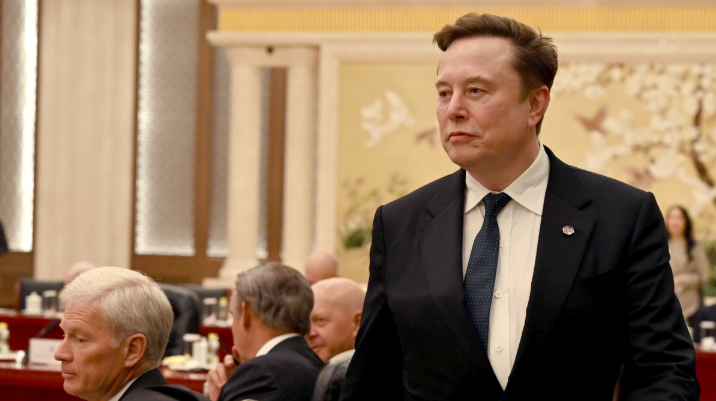
The close relationship between politics and business became obvious even before formal meetings began. Reports indicated Huang was added to the trip at the last minute and even received a seat aboard Air Force One, underscoring Nvidia’s growing importance in the global semiconductor race and ongoing technology tensions between Washington and Beijing.
Also joining the delegation were Blackstone CEO Stephen Schwarzman, BlackRock CEO Larry Fink, Citigroup CEO Jane Fraser and Goldman Sachs CEO David Solomon.
Many members of Trump’s business group rank among the wealthiest corporate leaders in the world. Musk remains the richest individual globally according to the Bloomberg Billionaires Index, while Huang and Schwarzman have built fortunes worth tens of billions of dollars.
Together, the delegation represents trillions of dollars in corporate influence and extensive business ties to China despite years of growing trade disputes between the world’s two largest economies. Their companies continue relying heavily on Chinese manufacturing, supply chains and consumers even as Washington and Beijing battle over tariffs, national security and advanced technology.
That influence already appears to be shaping the talks.
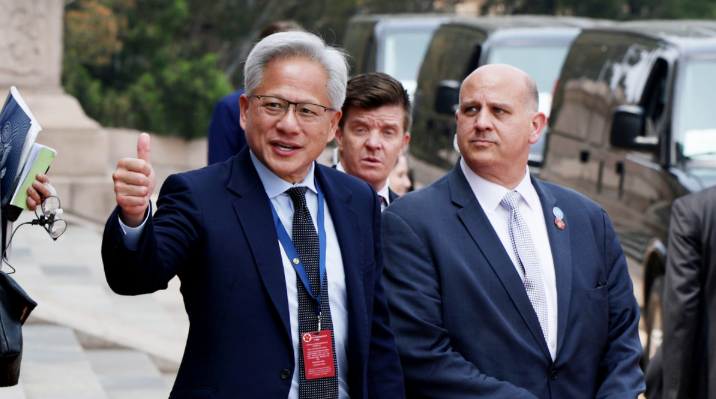
Officials from both countries discussed expanding opportunities for American companies within Chinese markets, a major priority for several executives participating in the trip. According to Chinese state media, Xi stated that opportunities inside China “will continue opening wider and wider.
At the same time, Washington is considering policy decisions that could directly impact several of those corporations. Reuters recently reported that the United States may allow Nvidia to sell H200 chips — slightly less advanced than its top semiconductor products — to a limited number of Chinese companies despite ongoing disputes involving artificial intelligence and export restrictions.
The discussions also reportedly included increased Chinese investment in the United States and expanded Chinese purchases of American products such as soybeans, beef and Boeing aircraft, all long-standing issues in U.S.-China trade negotiations.
Despite the cooperative public tone, tensions remained visible throughout the summit.
Xi reportedly warned against a potential conflict between China and the United States while also delivering strong remarks regarding Taiwan, one of the most sensitive issues in the relationship and a critical center for advanced semiconductor production.
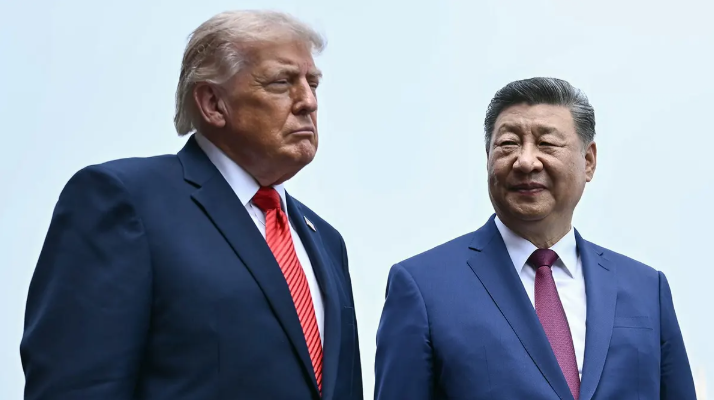
That combination of diplomacy and underlying pressure is exactly where Trump appears to see an advantage.
If major American companies still want access to Chinese markets while Beijing continues signaling it wants those businesses operating inside China, Trump can argue that economic pressure tactics are producing results. That strengthens his position on tariffs, export controls and tougher trade negotiations.
Business leaders accompanying Trump are reportedly seeking greater stability and market access in China while balancing an American strategy increasingly shaped by economic competition and national security concerns.
Trump has already invited Xi to visit the White House in September, signaling that further negotiations and high-level discussions are likely ahead.
For now, Beijing’s message appears clear: China still wants strong business relationships with the United States.





