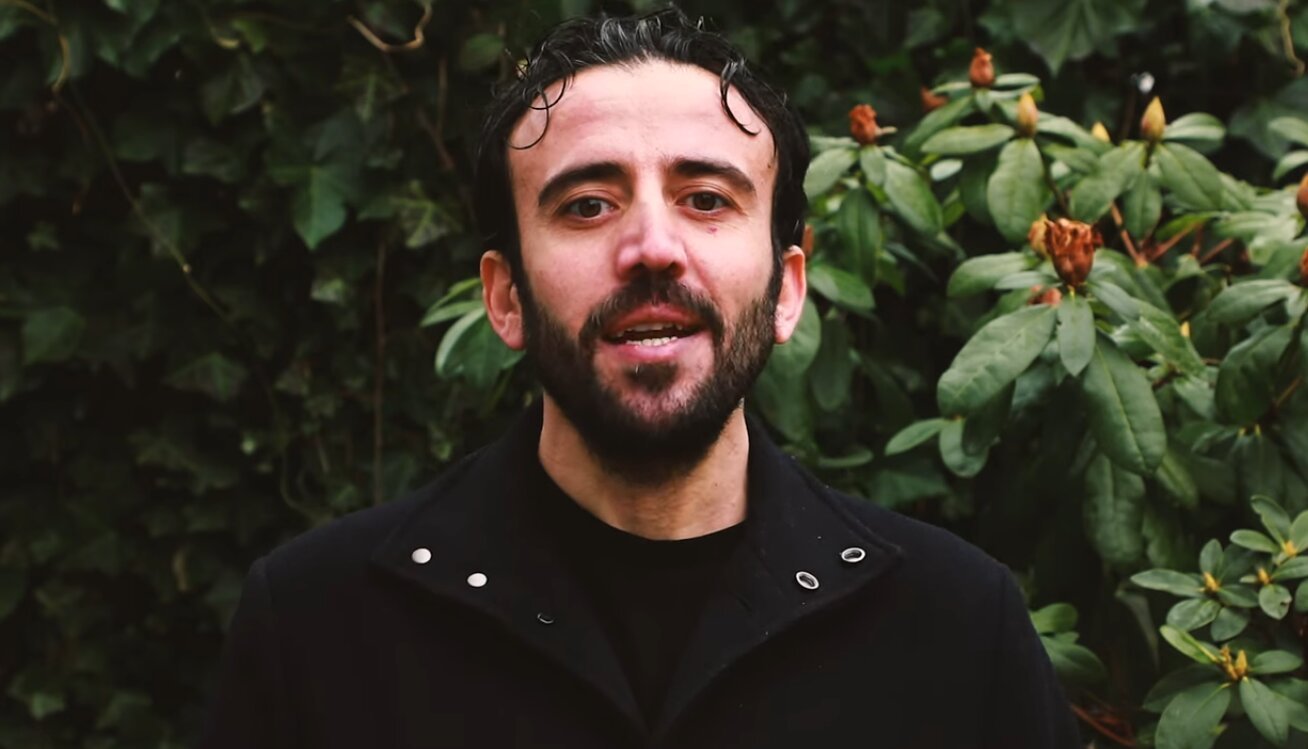
A tenured California professor who was fired after pro-Palestinian protest activity at San José State University has won her job back after an arbitrator ruled that her dismissal was too severe.
Sang Hea Kil, a justice studies professor at San José State University, was terminated last year after campus events connected to protests over Israel’s war in Gaza. Her case drew national attention because she was reportedly the first tenured professor at a U.S. public university to be fired in connection with the wave of pro-Palestinian campus demonstrations that spread across the country.
An independent arbitrator has now ordered the California State University system to reinstate Kil with backpay, reducing her discipline from termination to a one-month suspension. The arbitrator found that the conduct cited by the university did not justify the most serious employment penalty available against a tenured faculty member.
Kil has also pursued legal action against the university system, arguing that officials violated her free speech rights and retaliated against her for supporting Palestinian students and participating in protest-related activity. The university has declined to comment publicly on personnel matters.
TRENDING TODAY
The dispute began after a tense campus protest in February 2024 involving students and a faculty member. Kil, who served as a faculty adviser for the university’s Students for Justice in Palestine chapter, said she attended the protest in a personal capacity and witnessed a confrontation involving another faculty member and a student.
The university later accused Kil of violating campus policies, including allegedly encouraging students to set up an encampment and participating in a student-led encampment that officials said violated university rules. Kil has argued that her actions were protected expression and part of her support for students during a volatile period on campuses nationwide.
A faculty committee that reviewed the case reportedly found that Kil had violated some policies but concluded that firing her was disproportionate. The arbitrator reached a similar conclusion, finding that the allegations did not rise to the level required to dismiss a tenured professor.
The decision does not end the broader debate over campus protests, academic freedom and university discipline. Since the start of the Gaza war, U.S. colleges have struggled to respond to demonstrations, encampments, student arrests, allegations of antisemitism, accusations of anti-Palestinian discrimination and disputes over free speech.
Supporters of Kil say her reinstatement is a victory for academic freedom and the First Amendment at public universities. They argue that professors should not lose their careers for attending protests, advising student groups or criticizing government and university policy.
Critics of campus protest activity, however, have argued that universities must enforce rules when protests disrupt classes, block access to buildings or create safety concerns. Administrators often say they are trying to balance free expression with campus order, though critics from both sides say those decisions have been inconsistent.
Kil’s case is especially significant because tenure is meant to protect professors from being dismissed for unpopular speech or political views. While tenured faculty can still be disciplined or fired for serious misconduct, the standard is typically high. The arbitrator’s decision suggests that even if a university believes a professor violated policy, termination must be carefully justified.
For students and faculty, the ruling may affect how universities handle future protest-related discipline. Public universities must consider constitutional protections, while also maintaining campus rules. If they punish faculty or students too harshly for political activity, they may face legal challenges and public backlash.
For ordinary taxpayers and families, the case also matters because public universities are funded in part by public money and are expected to protect both safety and constitutional rights. When those institutions discipline faculty or students over political speech, the decisions can become national flashpoints.
Some details remain unresolved, including how Kil’s lawsuit will proceed and whether the university system will take additional legal steps. The broader question is whether universities can create clear, fair standards for protest conduct without appearing to punish one side of a political debate more harshly than another.
Why It Matters
The case highlights the tension between campus rules, faculty speech rights and political activism during one of the most divisive protest periods in recent U.S. higher education. It may also influence how public universities discipline tenured professors and student advisers in future protest cases.
What Comes Next
Kil is expected to return to her position after the arbitrator’s ruling, while her legal claims against the university system may continue. Other universities will likely watch the case closely as they review policies on protests, encampments, faculty conduct and free speech.
Tuesday 6/30: SJSU Press Conference On Re-instatement of Fired Professor Sang Kil https://t.co/0WksQSZSPl
— Indybay (@Indybay) June 29, 2026