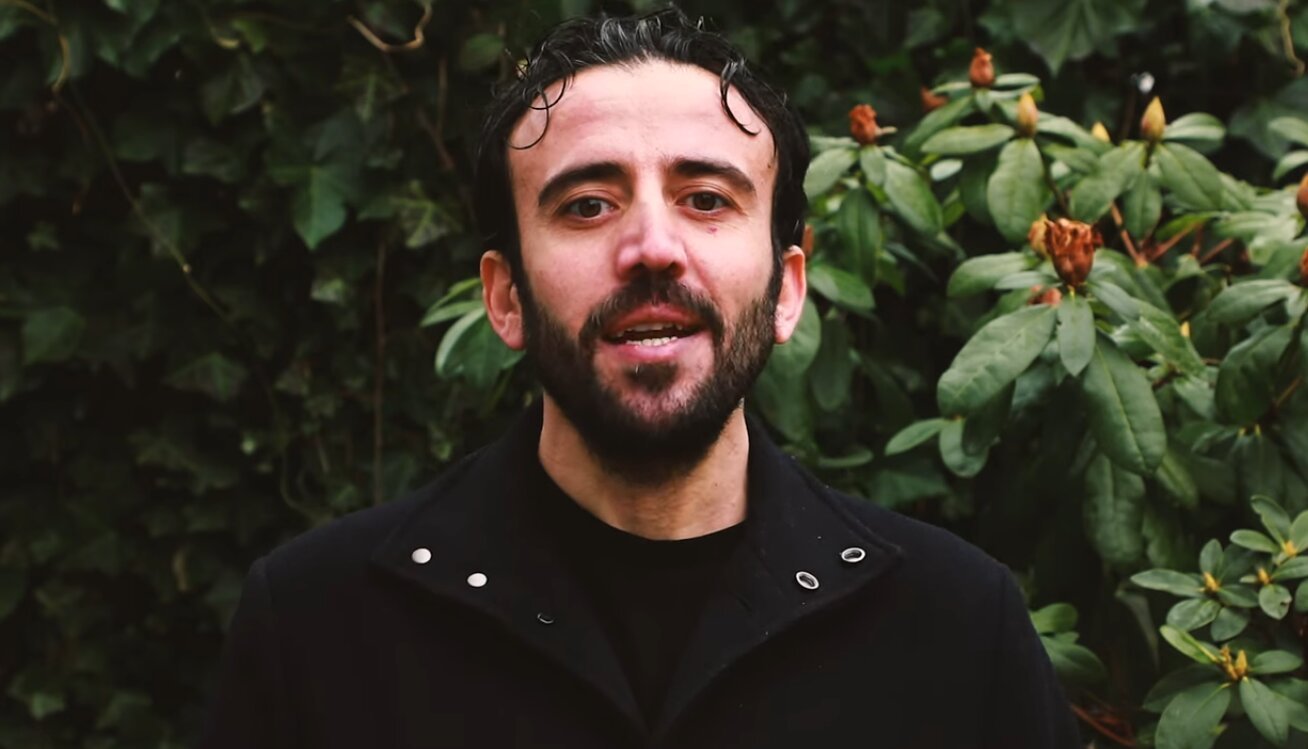
Bryan Kohberger is attempting to withdraw the guilty plea that sent him to prison for life for the murders of four University of Idaho students, claiming his former defense attorneys misled and pressured him into accepting the agreement.
Kohberger pleaded guilty in July 2025 to killing Ethan Chapin, Kaylee Goncalves, Xana Kernodle and Madison Mogen inside an off-campus home in Moscow, Idaho, in November 2022. In exchange, prosecutors withdrew their request for the death penalty and recommended four consecutive life sentences without parole, along with an additional 10-year sentence for burglary.
More than a year later, Kohberger has filed a petition for post-conviction relief asking a judge to set aside the plea and allow him to enter a new not-guilty plea. Judge Steven Hippler has granted his request for new court-appointed counsel, but the appointment does not mean the guilty plea has been withdrawn or that a new trial has been approved.
In his handwritten filing, Kohberger alleges that members of his previous legal team gave him misleading descriptions of death-row conditions and encouraged him to admit guilt even though he now claims he did not commit the crimes.
TRENDING TODAY

He also argues that his lawyers failed to properly explain or investigate evidence he considers favorable to his defense. His filing reportedly references hair evidence and alleged chain-of-custody questions surrounding the knife sheath recovered from the crime scene. Those allegations have not been tested during a new evidentiary hearing, and no court has ruled that the material proves his innocence.
The new claims sharply contradict Kohberger’s statements during his plea hearing. At that proceeding, Hippler questioned him repeatedly about whether he understood the agreement, whether anyone had threatened or forced him to accept it and whether he was pleading guilty because he had committed the crimes.
Kohberger answered that the decision was voluntary and admitted guilt to each murder charge. Statements made under oath during a detailed plea hearing are likely to create a significant obstacle for his current argument that the agreement was based on coercion or false information.
Idaho law sets a demanding standard for withdrawing a guilty plea after sentencing. Kohberger must demonstrate that leaving the conviction in place would produce a serious injustice, potentially by showing that the plea was involuntary or that a constitutional violation—such as ineffective legal representation—affected his decision. Simply regretting the agreement or disliking prison conditions would not normally be enough.
The court may eventually need to compare Kohberger’s account with testimony and records from his previous attorneys. That could include correspondence, notes from plea negotiations, explanations of the evidence and documentation showing what Kohberger was told before accepting the deal.
His former lawyers would probably be permitted to respond to allegations concerning their representation, although attorney-client confidentiality issues could affect which details become public.
The petition creates a major strategic risk for Kohberger. His plea agreement guaranteed that he would avoid execution. If the conviction were overturned and the original case restored, prosecutors could potentially seek the death penalty again.
Kohberger has indicated that he is willing to accept that possibility and wants the state to prove its case at trial. Whether prosecutors would formally renew their death-penalty request would depend on the court’s ruling and the legal position of the state if the case were reopened.
Relatives of the victims have reacted with anger and frustration, saying the latest filing extends a legal process that has already caused years of emotional strain. Some family members originally opposed the plea agreement because they wanted the evidence presented before a jury and supported keeping the death penalty available. Others backed the agreement because it guaranteed Kohberger would never be released and avoided the uncertainty of a lengthy trial.
The case has already required substantial public spending on defense attorneys, investigators, expert witnesses, security and court proceedings. A successful petition could restart preparations for one of the most complicated criminal trials in Idaho history, creating additional costs for taxpayers and forcing witnesses and victims’ relatives to return to court.
It remains unclear whether the judge will order an evidentiary hearing, dismiss some of Kohberger’s claims or require his new attorney to submit a more detailed petition. The court has not found that his former lawyers acted improperly, and the appointment of counsel should not be interpreted as evidence that his allegations are credible.
The legal question will not be whether Kohberger now says he wants a trial. It will be whether he can provide reliable evidence strong enough to overcome his sworn admissions and demonstrate that the original plea process was constitutionally defective.
Why It Matters
The petition could reopen one of the most closely watched murder cases in recent American history and expose the victims’ families to another extended legal battle.
It also presents a difficult choice for Kohberger. Success could remove his life sentences and provide the jury trial he now requests, but it could also restore the possibility of a death sentence if prosecutors again pursue capital punishment.
For taxpayers, a renewed prosecution could require millions of dollars in additional defense, court and security expenses.
What Comes Next
Kohberger’s newly appointed attorney will review the case and determine how to develop the post-conviction claims.
Prosecutors will have an opportunity to respond, and the court may decide whether the allegations justify an evidentiary hearing. If the petition is rejected, Kohberger will continue serving four consecutive life sentences without parole.
If the court permits him to withdraw the plea, the murder charges could return to the pretrial stage, where prosecutors would decide whether to seek the death penalty again.
BREAKING: Bryan Kohberger is seeking to withdraw his guilty plea over the 2022 murders of four University of Idaho students and is asking for a new trial.
He claims his plea was based on false promises, misinformation, and ineffective legal counsel, while maintaining his… pic.twitter.com/UEK6BNFQFd
— Fox News (@FoxNews) July 27, 2026