When the United States celebrated its 200th birthday in 1976, the country was not exactly united or carefree. It had just passed through Watergate, the resignation of President Richard Nixon, the Vietnam War, civil rights conflict and economic strain. Yet the bicentennial is still remembered by many historians as a moment when Americans believed the political system had survived a major test.
That mood was captured two years earlier, when Gerald Ford took office and told the country that its “long national nightmare” was over. His words came after Nixon’s resignation, but they also helped shape the emotional backdrop for the bicentennial. The message was not that America had avoided crisis. It was that the system had confronted one.
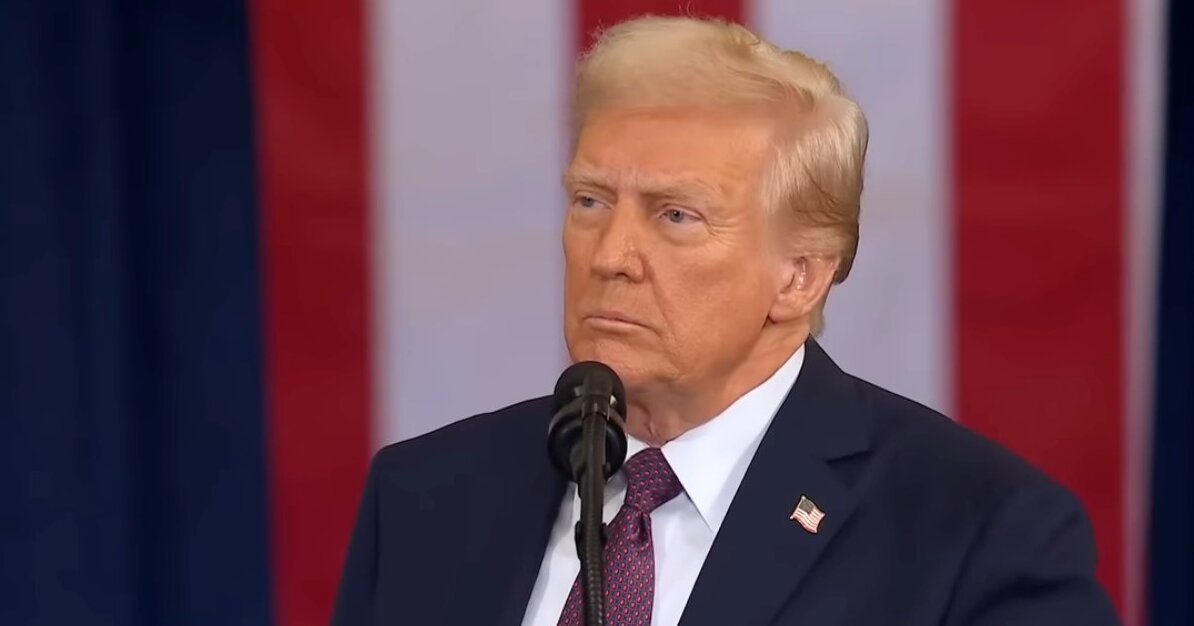
Fifty years later, the country is marking its 250th anniversary in a very different atmosphere. Instead of a broad sense of political recovery, the 2026 celebrations are unfolding during a period of deep partisan tension, economic anxiety and disagreement over national identity. President Donald Trump has used anniversary events to emphasize patriotism, military spectacle and warnings about the political left, while critics argue that the milestone has become too closely tied to one political movement.
The contrast with 1976 is striking. The bicentennial featured large national events, including tall ships in New York Harbor and visits from foreign leaders, but it was also remembered for local celebrations across the country. Many Americans marked the anniversary through neighborhood events, museums, parades, school projects and community gatherings. The celebration was not free from politics, but it left room for different groups to interpret the anniversary in their own way.
TRENDING TODAY


By comparison, critics of this year’s America 250 events say the celebration feels more centralized and more partisan. Supporters of Trump would argue that the country needs a strong patriotic message at a time when American identity is under pressure. Opponents argue that a national birthday should be broader than any one president, party or movement.
The debate also reflects how Americans understand history. In 1976, the country was able to celebrate its founding while still beginning to confront more complicated parts of its past. The years around the bicentennial saw public attention to slavery, civil rights, Native history and the unfinished promises of the American Revolution. Today, those same questions remain at the center of political conflict, with fights over school curricula, monuments, immigration, voting rights and what patriotism should mean.
For ordinary voters, this matters because national anniversaries are not only symbolic. They shape how citizens think about trust, institutions and the future. When people feel that a celebration belongs to everyone, it can create a rare sense of shared civic life. When people feel excluded or politically targeted, even a national birthday can deepen division.
The economic backdrop also carries echoes of the past. The 1970s brought inflation, oil shocks and concern about industrial decline. Today, many Americans are worried about prices, housing, jobs, debt and the cost of raising a family. In both periods, celebrations of national strength have taken place alongside real questions about whether the economy is working for ordinary people.
Still, the comparison is not only negative. American anniversaries have often arrived during difficult times. The 1876 centennial came during racial violence, contested politics and the end of Reconstruction. The 1926 anniversary took place during a period of immigration restriction, inequality and revived nativism. History shows that national birthdays often reveal the country’s problems as much as its achievements.
That may be the most useful way to understand the 250th anniversary. The question is not whether America can stage fireworks, flyovers or parades. It is whether the country can use the milestone to reflect honestly on what has worked, what has failed and what kind of democracy it wants to preserve.
Why It Matters
America’s 250th anniversary matters because it comes at a time when many voters are asking whether the country’s institutions still feel shared and trustworthy. The 1976 bicentennial offered a sense that the system had corrected itself after Watergate. In 2026, the national mood is more uncertain, and the celebration has become part of a larger fight over history, patriotism and political power.
What Comes Next
As anniversary events continue, the debate over America 250 is likely to follow the country into the midterm election season. Trump and his allies will present the celebrations as a defense of American strength and identity, while critics will argue for a broader, less partisan understanding of the nation’s history. The bigger test will be whether the milestone becomes only another political battle — or a chance for Americans to think seriously about the next 50 years.
Some social media users marked America’s 250th anniversary with patriotic messages, while others debated the country’s current direction.
Good Bless America!
Happy 250 years of FREEDOM! 🇺🇸 pic.twitter.com/XDfGDjy8WT
— Gunther Eagleman™ (@GuntherEagleman) July 2, 2026