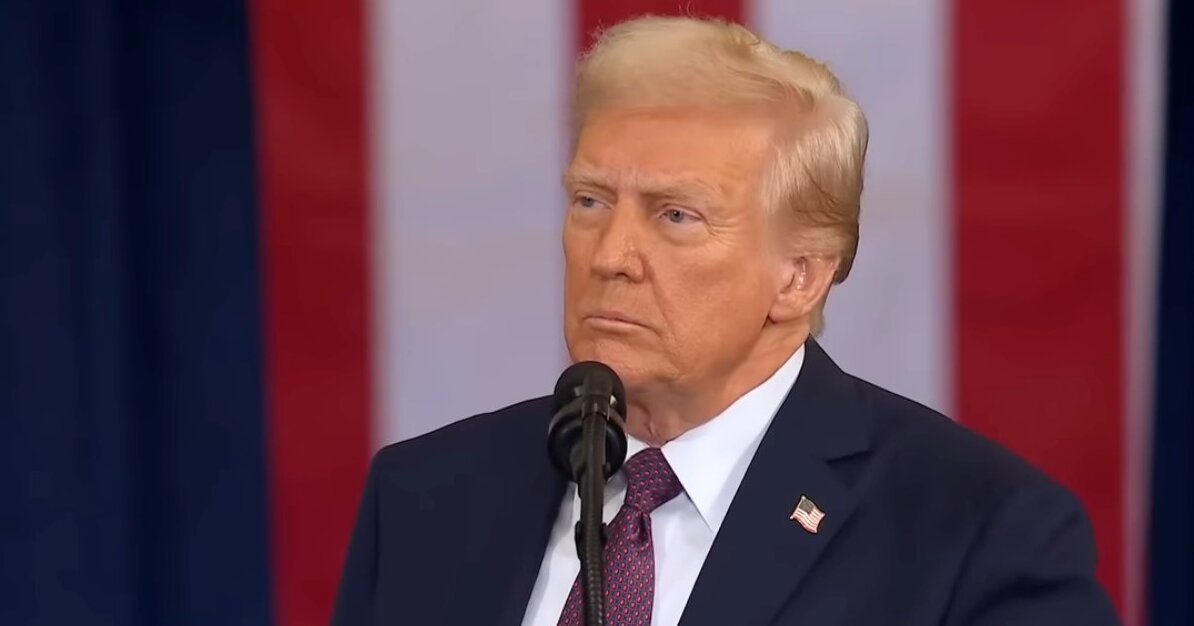
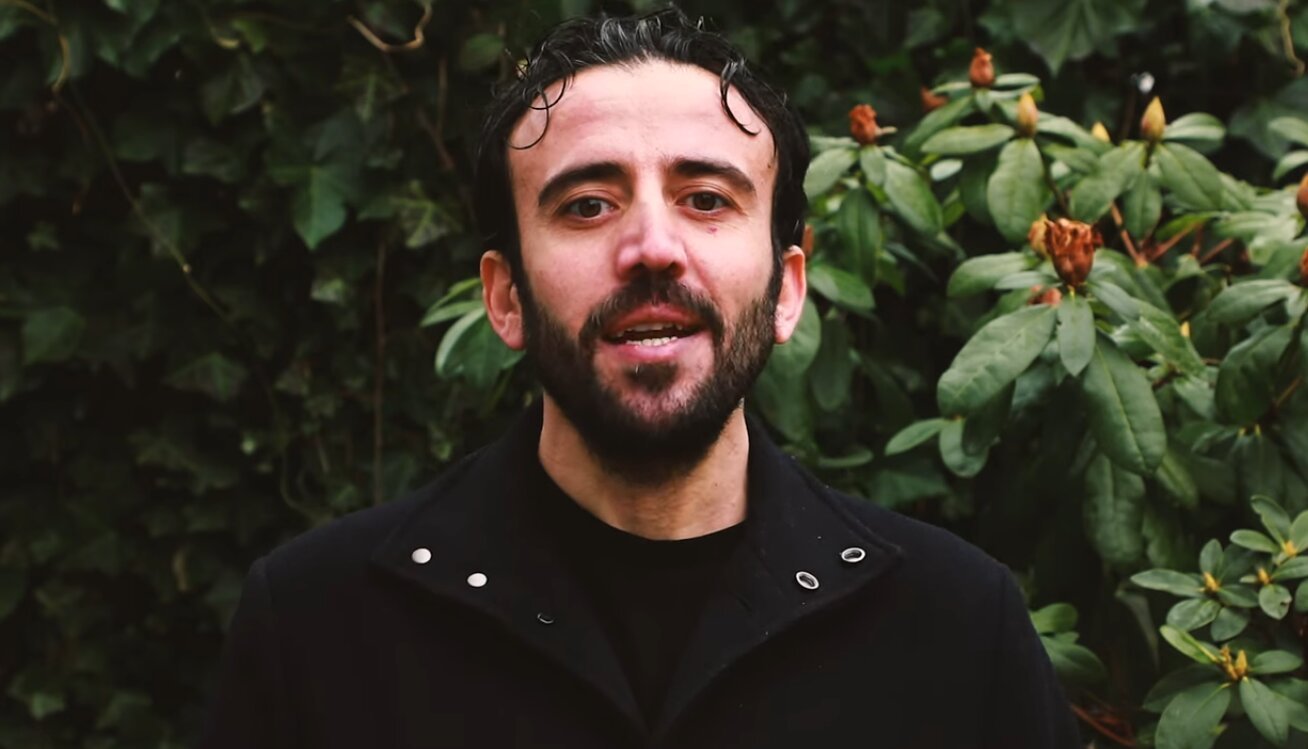
Former National Counterterrorism Center Director Joe Kent has endorsed Mark Lynch in South Carolina’s Republican Senate primary, setting up a sharp contrast with President Donald Trump, who is backing longtime incumbent Sen. Lindsey Graham.
Kent, a military veteran and former Trump administration official, released a video message urging South Carolina Republicans to vote for Lynch in the June 9 primary. He described Lynch as the “America First” candidate and criticized Graham as a “war hawk” and “neocon.”
Kent framed the race as a test of whether Republican voters want to keep supporting foreign military commitments or push the party further toward non-interventionist politics. He said voters who want to stop sending billions of dollars overseas and avoid “endless foreign wars” should support Lynch.
The endorsement comes at a sensitive moment for the Republican Party. Trump has strongly endorsed Graham, even as some populist and anti-interventionist conservatives have grown frustrated with the senator’s hawkish foreign policy record.
TRENDING TODAY

Fox News reported that Kent endorsed Lynch and urged voters to remove Graham from office, while Graham’s campaign responded by highlighting Trump’s attacks on Kent and Trump’s endorsement of Graham.
Graham has represented South Carolina in the Senate since 2003 and remains one of the most recognizable Republican voices on national security. He has long supported a muscular U.S. foreign policy, including strong backing for Israel, Ukraine and aggressive pressure on Iran.
That record has made him a target for parts of the America First movement, especially after the outbreak of the Iran war and growing Republican fatigue over foreign aid and military commitments.
Lynch has tried to position himself as a challenger to the GOP establishment. He has praised lawmakers such as Rep. Thomas Massie and other anti-establishment conservatives, arguing that the party needs more Republicans willing to challenge leadership and resist foreign intervention.
Trump has taken the opposite view in this race. In a Truth Social post earlier this year, he called Lynch a “lunatic” and said Graham “gets the job done.” Trump again urged South Carolina Republicans to vote for Graham, giving the senator his “complete and total endorsement.”
That endorsement remains one of Graham’s strongest assets. Trump remains highly popular among Republican primary voters in South Carolina, and Graham’s campaign has emphasized his support from Trump, Gov. Henry McMaster, Sen. Tim Scott and other Republican officials.
Graham’s campaign also attacked Kent directly after the endorsement. Campaign press secretary Abby Zilch noted that Trump had previously insulted Kent and argued that Lynch’s embrace of Kent showed poor judgment.
Lynch defended the endorsement, calling Kent an honorable man and patriot. He pointed to Kent’s military background and the death of Kent’s wife, Shannon Kent, a Navy senior chief petty officer killed in a 2019 terrorist attack in Syria.
Kent’s endorsement is especially notable because he resigned from the Trump administration earlier this year over the Iran war. In his resignation letter, he said he could not support the conflict and argued that Iran did not pose an imminent threat to the United States.
That resignation turned Kent into a symbol for anti-war conservatives who believe Trump’s second-term foreign policy has moved too close to traditional Republican hawks. His support for Lynch gives the challenger credibility with voters who want a more restrained foreign policy.
The Graham-Lynch race therefore reflects a larger battle inside the GOP. On one side are Republicans who believe America should remain heavily involved in global conflicts and maintain strong pressure on adversaries. On the other are America First conservatives who want fewer foreign commitments and more focus on domestic priorities.
Graham’s supporters argue that his experience and influence are valuable at a dangerous time. They say South Carolina benefits from having a senior senator with relationships across Washington and a long record on national security, judges, defense and conservative causes.
Lynch’s supporters argue that Graham represents the old Republican establishment and is too willing to support foreign wars, foreign aid and Washington deals. They want the primary to become a referendum on whether GOP voters still want hawkish foreign policy leadership.
The timing of the race gives the debate added force. The Iran war, Ukraine aid fights and recent congressional splits over war powers have made foreign policy one of the most visible dividing lines among Republicans. Even lawmakers who support Trump are not always aligned on how far the United States should go overseas.
Still, Graham enters the primary with major advantages: name recognition, fundraising, institutional support and Trump’s endorsement. Lynch’s challenge depends on whether anti-Graham conservatives can consolidate quickly and turn frustration over foreign policy into votes.
Kent’s endorsement may help Lynch with that message, but it also creates risk. Trump’s attacks on Kent give Graham’s campaign an easy way to argue that Lynch is aligned with people Trump himself has rejected.
The result will show whether South Carolina Republicans are more persuaded by Trump’s endorsement of Graham or by the anti-war argument coming from Kent and Lynch.
Why It Matters
The endorsement matters because it highlights a growing divide inside the Republican Party over foreign policy. Graham represents the party’s traditional hawkish wing, while Kent and Lynch are appealing to voters who want fewer overseas commitments.
It also matters because Trump is backing Graham, not the anti-establishment challenger. That makes the race a test of whether Trump’s endorsement can override grassroots frustration with a longtime incumbent.
What Comes Next
South Carolina Republicans will vote in the June 9 primary. Graham is favored because of his long tenure, strong state support and Trump’s endorsement, but Lynch is trying to rally voters who oppose foreign aid and military intervention.
If Graham wins comfortably, it will show Trump’s endorsement remains powerful even when parts of the America First base disagree. If Lynch performs better than expected, it could signal deeper Republican frustration with hawkish foreign policy.
Some Lynch supporters framed the South Carolina primary as a test of anti-establishment Republican frustration with Sen. Lindsey Graham’s foreign-policy record.
If Mark Lynch loses his primary Election to Lindsey Graham, it will prove that AIPAC has the power to rig any election in our country. https://t.co/UqgykkB6Uj pic.twitter.com/NszREQJeh9
— RyanMatta 🇺🇸 🦅 (@Ryanmatta) June 5, 2026