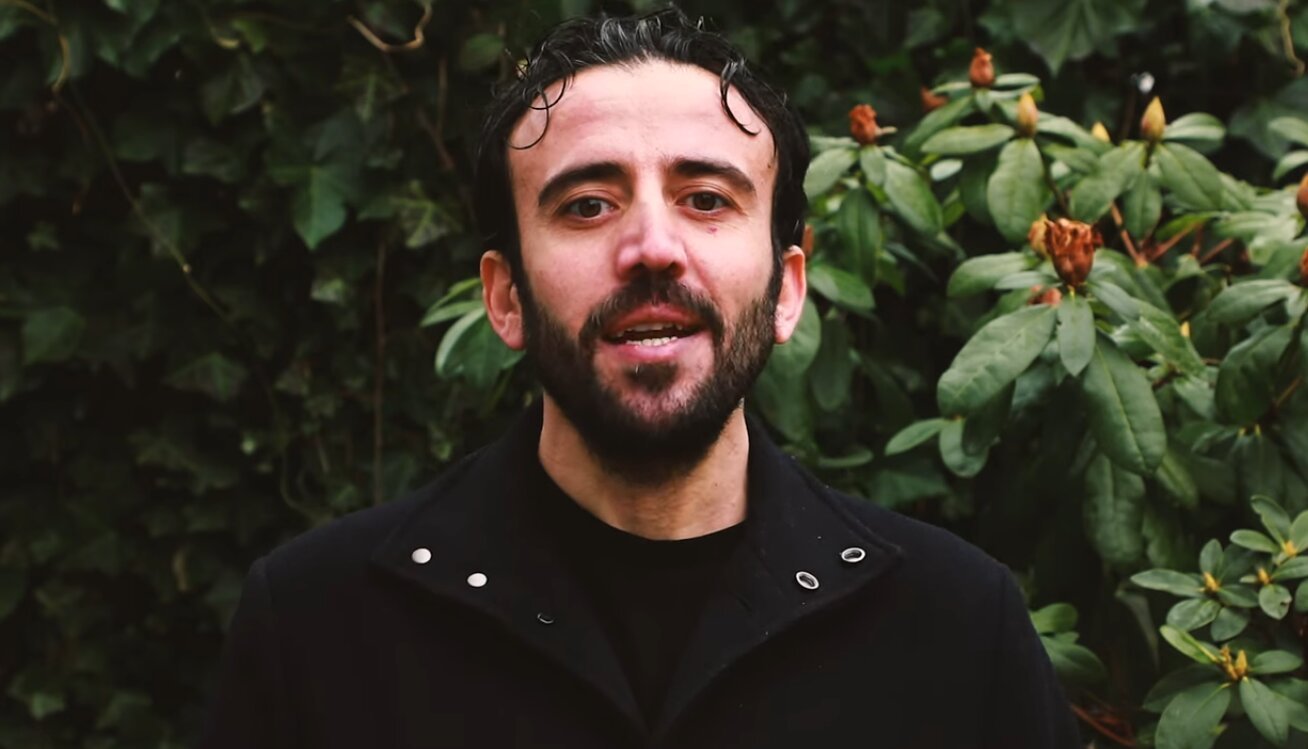
Wisconsin Democratic gubernatorial candidate Francesca Hong is responding publicly after court records showed she was sued over nearly $30,000 in unpaid credit card debt, turning personal finances into a new issue in the state’s crowded governor’s race.
Hong, a state representative from Madison and one of the leading Democrats in the primary, addressed the matter in a video posted to social media. She framed the debt as part of the financial risk she took while running a restaurant and argued that ordinary working people should not be shamed for falling behind.
“You deserve a real response from me, directly,” Hong said in the video. She described herself as an “ordinary working Wisconsinite” and said too many people have been “robbed of the American dream.”
According to public court records first reported by the Milwaukee Journal Sentinel and later covered by Wisconsin Public Radio, Capital One sued Hong in Dane County over nearly $30,000 in unpaid credit card debt. The lawsuit was filed in late May. Hong’s campaign has said the debt has been paid.
TRENDING TODAY


Hong said the debt was tied to her now-closed Madison restaurant. She said she was not ashamed of making financial mistakes while trying to pursue the dream of opening a business. Instead, she criticized what she described as a system that treats debt as a moral failure.
The issue quickly became part of the Democratic primary conversation. Hong suggested her opponents were using the lawsuit to damage her campaign because her message is connecting with working-class voters. She argued that the focus should be on economic conditions that make it harder for small-business owners and working families to stay afloat.
The reaction from other Democrats was mixed but not entirely hostile. Kirk Bangstad, another Democrat in the governor’s race and the owner of Minocqua Brewing Company, defended Hong on social media and said credit problems are relatable for many voters, especially younger Americans who have struggled with debt. Bangstad wrote that there is “absolutely no shame” in falling behind on credit card payments and said he had faced similar financial pressure after the 2008 recession.
Bangstad’s own campaign is facing ballot-access problems. Wisconsin election officials ruled this week that he did not have enough valid signatures to qualify for the ballot, though he was given time to try to fix issues with his nomination papers.
The debt story comes as Wisconsin Democrats are trying to sort through a competitive primary field. Hong has positioned herself as a progressive candidate focused on working families, public services and economic fairness. Her campaign biography emphasizes her background as a restaurant worker, chef, single mother and community organizer.
That personal story may help explain why Hong is leaning into the issue rather than avoiding it. Instead of presenting the lawsuit only as a liability, she is trying to connect it to her broader argument that the economy is not working for people who take risks, start small businesses or live paycheck to paycheck.
Still, the lawsuit gives her opponents an opening. Critics may argue that a candidate for governor should be able to manage personal finances before managing a state budget. Supporters are likely to counter that debt is common, especially for small-business owners, and that Hong’s experience makes her more relatable to voters facing similar financial pressure.
The political question is whether voters see the issue as a warning sign or as evidence that Hong understands the financial struggles of ordinary people.
Wisconsin is expected to be one of the most closely watched states in the country. The governor’s race will draw national attention because the state remains politically competitive and because the next governor will have major influence over budgets, education, health care, voting rules and economic policy.
For now, Hong appears determined to treat the debt lawsuit as part of her working-class message rather than a scandal. Whether that strategy works may depend on how clearly her campaign can show the debt was resolved and whether voters accept her explanation.
Why It Matters
The story matters because personal finances can become a political issue when a candidate is running to manage a state budget. Hong’s opponents may use the lawsuit to question her judgment, while her supporters may argue that debt is common and relatable for many working families.
It also matters because Hong is trying to turn the issue into a broader argument about the economy, small businesses and how Americans are judged for financial struggles.
What Comes Next
Hong’s campaign will likely continue emphasizing that the debt was tied to her restaurant and has been paid.
The issue may come up in debates and attacks from other candidates, especially if polling continues to show Hong near the front of the Democratic primary field.
🦔Credit card delinquencies just hit a 15 year high. 13.12% of balances are now 90+ days past due, the worst since the 2008 financial crisis. Total US credit card debt reached $1.25 trillion in Q1, the highest first quarter since the Fed started tracking in 1999. Average interest… pic.twitter.com/MbAINvdN1J
— Hedgie (@HedgieMarkets) May 30, 2026