Two politically charged proclamations in Battle Ground, Washington, are drawing scrutiny from residents and city officials as the city weighs whether the mayor’s declarations are routine ceremonial statements or a shift into national political messaging.
Battle Ground Mayor Eric Overholser has advanced proclamations involving U.S. Immigration and Customs Enforcement and Antifa-related activity. The proposals have sparked debate over what kinds of messages a local government should formally recognize, especially in a city where past LGBTQ-related proclamations have been rejected or revised.
The Antifa-related proclamation began as a draft submitted April 8 by resident Jesse McCarty. The original proposal was titled “A Proclamation Condemning Antifa, Associated Criminal Conduct and Directing the Vigorous Enforcement of Law.” It called for strict enforcement of laws related to rioting, unlawful assembly, assault, arson and vandalism while condemning what it described as “Antifa-associated criminal activity.”
Overholser forwarded the draft to city staff and signaled support for continuing the review process. Records reviewed by local media showed that when staff asked how to proceed, the mayor responded that he supported advancing the proposal.
TRENDING TODAY

City staff later raised questions about whether the draft fit within Battle Ground’s usual rules for proclamations. City officials said ceremonial proclamations are generally meant to recognize community events, people, awareness campaigns or local observances. The Antifa draft appeared to go further by addressing law enforcement priorities and national political issues.
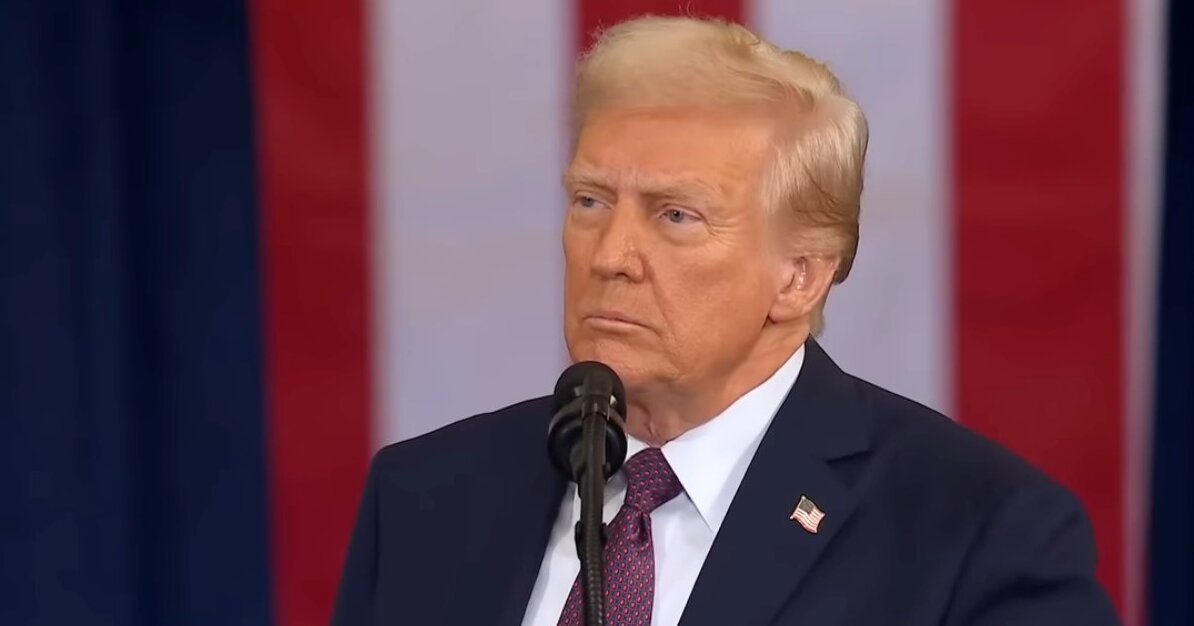
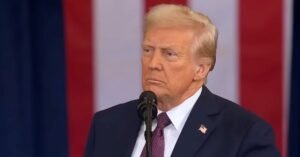
After internal review, the language was revised. Rather than directly ordering or encouraging city enforcement action, the updated version referenced a September 2025 federal executive order by President Donald Trump that identified Antifa as a domestic terrorist organization. The revised version framed the city’s statement as an acknowledgment of federal action and broader public safety concerns.
A separate proposal submitted Jan. 27 by resident Paula Ochoa called for a proclamation expressing support for ICE. The draft described ICE personnel as important to immigration enforcement, national security and the rule of law. It also opposed efforts that the requester viewed as interfering with the agency’s mission.
Overholser later said he sent a revised version of the ICE proclamation back to the requester for review, though that text was not included in the public records examined by The Reflector. City communications showed that discussions about scheduling the ICE proclamation for a council meeting continued in the months that followed.
The controversy is not only about the content of the two proclamations. It is also about whether Battle Ground’s proclamation process is being used differently than before.
According to OPB, the proposed ICE and Antifa proclamations mark a shift toward more overtly partisan or nationally focused statements from the city. Proclamations are not ordinances and do not carry the force of law, but they can still signal the values and political priorities of elected officials. (opb.org)
That symbolic power is why residents are divided. Supporters of the proclamations argue that city leaders should be willing to back law enforcement, condemn political violence and affirm respect for federal immigration law. They say such statements are appropriate when communities are concerned about public safety and unrest.
Critics argue that the city should focus on local issues rather than national political fights over immigration enforcement and Antifa. They also question why these proclamations moved forward while LGBTQ-related requests have faced resistance.
In 2024, Overholser, then serving on the city council, joined two other council members in voting to remove a Pride Month proclamation from the agenda. Since becoming mayor in January, he has also declined additional LGBTQ-related proclamation requests, according to OPB. (opb.org)
That history has shaped the public response. Some residents see the ICE and Antifa proclamations as evidence that the city is willing to recognize some political messages while rejecting others. Others argue that the rejected LGBTQ proclamations and the law-enforcement-related proclamations are not comparable.
The debate has also reached beyond City Hall. Former state legislator Tim Probst criticized Overholser’s approach in a letter published by The Columbian, arguing that local leaders should focus on issues such as housing, employment, health care and community services rather than divisive national controversies.
The ICE proclamation comes amid a broader statewide debate over immigration enforcement. Washington has policies that limit certain forms of cooperation between local authorities and federal immigration enforcement, while critics of those policies argue that they weaken public safety. Battle Ground’s discussion is therefore part of a much larger conflict over how local governments should respond to federal immigration priorities.
The Antifa proclamation also reflects a wider national dispute. Supporters of such measures argue that political violence should be condemned clearly, regardless of ideology. Critics often respond that Antifa is not a centralized organization in the way formal groups are, and that broad language can be used to chill protest activity.
For city staff, the practical issue appears to be whether proclamations should remain ceremonial or become vehicles for policy messaging. If the city approves statements on ICE and Antifa, residents may submit more requests on other politically charged topics, forcing officials to decide where the line should be drawn.
That could create legal, administrative and community-relations challenges. A city that accepts some viewpoint-based proclamations while rejecting others may face accusations of inconsistency or political favoritism, even if proclamations themselves are symbolic.
Battle Ground officials have not suggested the proclamations would create new local laws. But the controversy shows how even symbolic declarations can become politically significant when they touch national debates over immigration, protest, policing, religion or LGBTQ rights.
For now, the proclamations have placed Battle Ground in the middle of a broader question facing many local governments: should city halls focus on local ceremonial recognition, or should they use official statements to weigh in on national cultural and political disputes?
Why It Matters
The debate matters because local proclamations, while mostly symbolic, can still signal which groups and issues city leaders choose to recognize. Residents are questioning whether Battle Ground’s process is being applied consistently.
It also matters because the ICE and Antifa proclamations touch on divisive national issues. Supporters see them as pro-law-enforcement and public-safety statements, while critics see them as partisan messaging that may distract from local priorities.
What Comes Next
Battle Ground officials may continue reviewing how proclamations are approved and whether the city needs clearer guidelines for ceremonial statements. Residents are likely to keep pressing the council over consistency, especially after previous LGBTQ-related proclamations were rejected or altered.
If the city moves forward with politically charged proclamations, it may face more requests from residents on other national issues, making the rules around official recognition even more important.
A video shared from a Battle Ground city meeting showed Mayor Eric Overholser signing a proclamation expressing support for ICE, following public comments from residents.
NOW: The Mayor of Battle Ground, Washington, has signed a proclamation recognizing the city’s unwavering support for ICE (@ICEgov).
Paula, an immigrant who came to the country LEGALLY, accepts the proclamation: “I am grateful to live in a community that values and enforces,… pic.twitter.com/qjbaQhC9K1
— Katie Daviscourt 📸 (@KatieDaviscourt) June 2, 2026