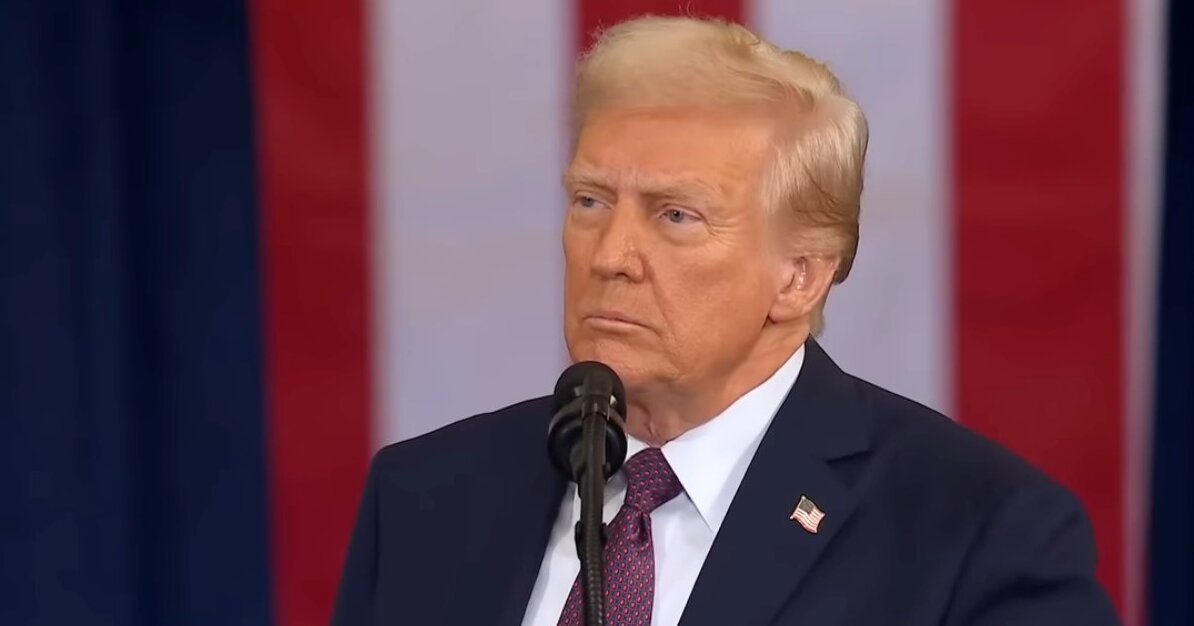
President Donald Trump is heading to North Dakota for the dedication of the new Theodore Roosevelt Presidential Library, a high-profile event honoring one of America’s most famous conservation presidents at the same time critics say Trump’s own public lands agenda is moving in the opposite direction.
The ceremony in Medora comes as part of the broader Freedom 250 celebrations marking America’s 250th anniversary. The new library, located near Theodore Roosevelt National Park, is designed to highlight Roosevelt’s life, leadership and conservation legacy.
For Trump, the visit offers a patriotic setting and a chance to connect his second-term message to a historic Republican president who remains closely associated with strength, nationalism and the American outdoors.
But environmental groups and Democratic-aligned policy analysts argue the symbolism is difficult to ignore. Roosevelt used the presidency to dramatically expand federal protection of forests, wildlife areas, parks and monuments. Trump’s administration, they argue, has been working to loosen or remove protections from large areas of public land and water.
TRENDING TODAY

Theodore Roosevelt served as president from 1901 to 1909 and became known as the “conservation president.” According to the National Park Service, he helped protect roughly 230 million acres of public land. His record included the creation of national forests, federal bird reserves, national parks, game preserves and national monuments.
That legacy is central to the new library’s mission. The site is being promoted not only as a museum, but also as a place for visitors to reflect on conservation, citizenship and public service.
The current political debate is about whether Trump can credibly celebrate that legacy while pursuing policies that critics say weaken it. A recent analysis from the Center for American Progress claims the Trump administration has moved to lift protections from more than 86 million acres of public lands during his second term. The group says those changes could open forests, wildlife habitat and other sensitive areas to development, drilling or contamination risks.
The administration and its allies have generally defended a more development-friendly approach as a way to expand domestic energy production, reduce regulatory barriers and support local economies. Supporters argue that public lands can be managed for multiple uses, including energy, grazing, recreation and conservation.
Critics counter that once protections are removed, some landscapes may be permanently changed. They argue that drilling, mining, road construction and reduced environmental review can harm wildlife, water quality and outdoor recreation economies.
For ordinary Americans, the issue is not only about federal land policy in Washington. Public lands affect tourism, hunting, fishing, hiking, clean water, local jobs and taxpayer costs. If energy or development projects later require cleanup, taxpayers may face part of the bill. If parks and public lands lose staff or protections, visitors may see reduced services or more pressure on fragile landscapes.
The debate also carries political weight because national parks and public lands remain popular across party lines. Many Republican and Democratic voters support access to parks, forests and wildlife areas, even when they disagree over energy policy or federal regulation.
Trump’s appearance at the Roosevelt library is therefore likely to be read in two very different ways. Supporters may see it as a celebration of American history, western identity and national pride. Critics may see it as an uncomfortable contrast between Roosevelt’s conservation record and Trump’s push to expand extraction and reduce environmental restrictions.
Some details remain disputed. The exact long-term impact of Trump’s land and environmental policy changes will depend on court challenges, agency rules, state responses and future administrations. It is also possible for some land-use decisions to be reversed later. But conservation groups warn that delays and rollbacks can still have lasting consequences.
The Roosevelt library opening gives the administration a powerful stage. It also gives critics a clear comparison: one Republican president who used federal power to preserve land, and another who says he is using federal power to unlock land for economic growth.
Why It Matters
The story matters because it connects presidential symbolism with real policy choices. Roosevelt’s conservation record helped shape America’s national parks, forests and wildlife protections. Trump’s critics argue that current federal actions could weaken parts of that same legacy.
For voters and taxpayers, the issue affects more than scenery. Public lands influence local economies, energy prices, recreation, tourism, wildlife habitat and future cleanup costs. How the government manages those lands can shape communities for decades.
What Comes Next
Trump is expected to use the Roosevelt library event as part of a larger patriotic push around America’s 250th anniversary. Conservation groups are likely to use the same moment to highlight public land rollbacks and pressure the administration over environmental policy.
The next major developments will come through federal land-use decisions, court challenges and agency rule changes. If the administration continues lifting protections, public lands could become a central issue in broader debates over energy, conservation and the meaning of Roosevelt’s legacy.
🚨 JUST IN: President Trump has just WALKED OUT of the White House, en route to Medora, North Dakota for a Freedom 250 Train Ride and Theodore Roosevelt Presidential Library tour
LFG, motorcade rolling!
47 is going MAXIMUM AMERICA today! 🇺🇸 pic.twitter.com/H8tQzZ0zcp
— Eric Daugherty (@EricLDaugh) July 1, 2026