U.S. Treasury Secretary Scott Bessent warned oil and gas retailers that the Trump administration is watching fuel prices closely, adding pressure on the industry as millions of Americans prepare to travel for the Fourth of July holiday.
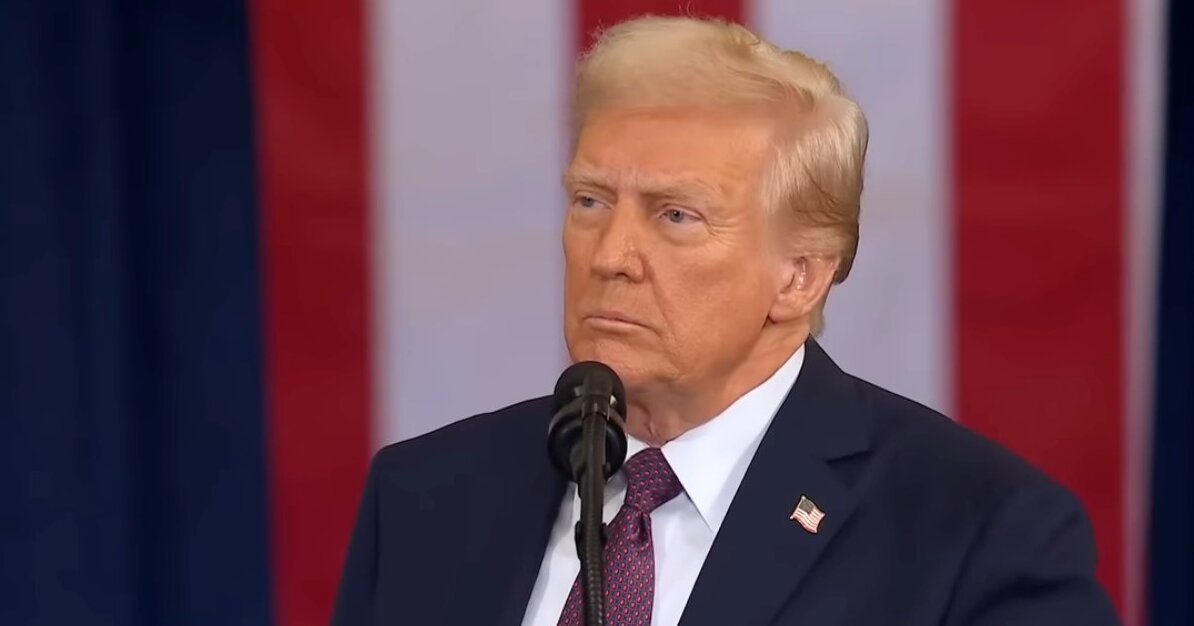
Bessent made the comments Tuesday after President Donald Trump publicly demanded that gasoline retailers lower prices, arguing that pump prices have not fallen quickly enough despite a recent drop in oil prices.
“I would encourage them to be good actors,” Bessent said in a television interview, referring to major oil companies, independent retailers and international fuel sellers. He added that the administration is “watching,” especially as the country prepares to mark its 250th anniversary.
Trump made a similar argument in a Truth Social post, saying gasoline retailers should reduce prices immediately. He pointed to oil trading around $68 a barrel and suggested that lower crude prices should translate into cheaper fuel for consumers. Trump also warned that retailers could face “big problems” if prices do not come down.
TRENDING TODAY

The comments reflect growing political pressure over one of the most visible costs for American households. Gas prices are displayed on signs in nearly every community, and even small changes can affect family budgets, commuting costs and travel plans.
The national average for a gallon of gas is reportedly around $3.85, lower than a month ago but still above last year’s Fourth of July levels. That matters because the holiday is expected to bring heavy travel demand. AAA has projected that about 72 million Americans will travel during the holiday period, with many driving to family gatherings, beaches, parks and local celebrations.
Oil prices have fallen sharply this month after the U.S. and Iran reached a memorandum of understanding aimed at ending their recent conflict. However, instability in the region and renewed clashes have kept markets cautious. Brent crude remains close to where it was before the conflict, but energy traders are still watching whether the agreement holds.
Gasoline prices do not always move immediately with crude oil prices. Retail fuel costs are influenced by refining margins, transportation, taxes, local competition, seasonal demand, inventories and regional supply problems. That means drivers may not see lower prices at the pump as quickly as oil prices fall in global markets.
Still, the administration’s message is clear: it wants retailers to pass on savings faster. Bessent suggested that oil companies may be earning very strong profits and said it is time for them to do something for the American people.
For the White House, the timing is important. Trump has made affordability a central political theme, and fuel prices are one of the easiest costs for voters to notice. A major travel weekend with high gas prices could undercut the administration’s message that it is lowering costs.
For businesses, the pressure is also significant. Gas stations and fuel retailers often operate on tight margins, even when oil companies report large profits. Industry groups may argue that pump prices are not set only by retailers and that government pressure oversimplifies how fuel markets work.
For ordinary Americans, the issue is straightforward. Higher gas prices can make road trips more expensive, increase delivery and shipping costs, and put pressure on workers who commute long distances. Lower prices would provide immediate relief, especially during a holiday week when travel demand is high.
The warning also shows how energy policy and politics remain closely linked. Trump has pushed for more domestic energy production while also pressuring companies to lower prices. Critics may argue that presidents have limited control over fuel costs, while supporters may say public pressure can discourage companies from keeping prices elevated when oil costs fall.
Some details remain uncertain, including whether retailers will respond quickly, whether oil prices will continue falling, and whether the administration has any specific enforcement action in mind beyond public pressure.
For now, the message from Trump and Bessent is aimed directly at the fuel industry: lower prices before American families hit the road.
Why It Matters
Gas prices affect millions of drivers, commuters, businesses and families, especially during the Fourth of July travel rush. The administration’s pressure on retailers shows how fuel costs remain a major economic and political issue.
What Comes Next
Drivers will be watching pump prices in the days leading up to the holiday. Oil companies and retailers may face continued pressure from the White House if prices do not fall, while energy markets remain sensitive to the U.S.-Iran situation and summer travel demand.
Bessent said the administration is “watching” gas retailers after Trump called for prices to fall ahead of the July 4 travel rush.
🚨 JUST IN: After President Trump calls on gas stations to drop prices to $2.50, Sec. Scott Bessent tells gas firms to STOP gouging Americans
“I would encourage them to be good actors, especially on the 250th anniversary — because WE’RE WATCHING!” 🔥 pic.twitter.com/KPImdOIpCV
— Eric Daugherty (@EricLDaugh) June 30, 2026