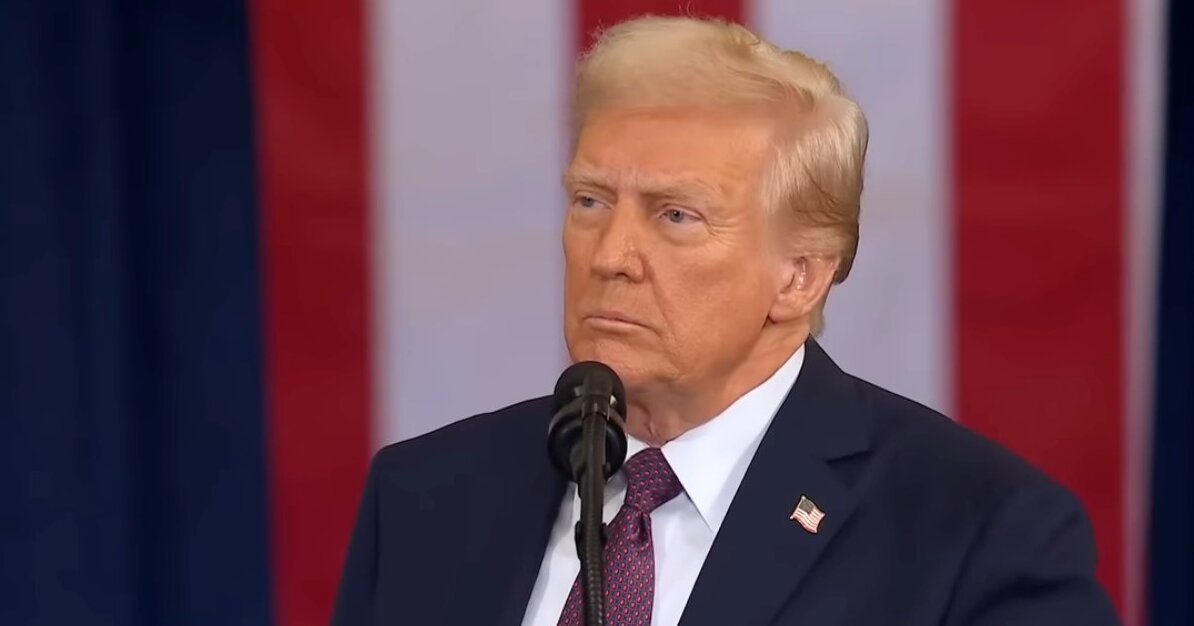
Texas Gov. Greg Abbott said there is no confirmed food safety issue after federal officials detected New World screwworm in a calf in South Texas, marking a major animal-health concern for the state’s livestock industry.
The U.S. Department of Agriculture’s Animal and Plant Health Inspection Service confirmed the detection in a bovine in Zavala County, Texas. According to state and federal reports, the affected animal was a three-week-old calf with larvae found in an umbilical lesion. The case has triggered a coordinated response from Texas officials, federal agencies, veterinarians and livestock producers.
New World screwworm is a parasitic fly whose larvae feed on living tissue. It can affect livestock, pets, wildlife and, less commonly, people. The parasite can cause severe wounds in animals if not treated quickly, making it a serious concern for ranchers and animal-health officials.
Abbott said the situation is an infestation issue affecting animals, not a confirmed safety issue with the food supply. He described it as a food production concern rather than a food safety concern, while urging livestock and pet owners to monitor animals for suspicious wounds or infestations.
TRENDING TODAY


“This is a highly treatable condition if acted on quickly,” Abbott said, according to reports.
The detection is especially concerning for Texas because the state has the largest cattle industry in the United States. A wider spread of New World screwworm could create economic pressure on ranchers, disrupt livestock movement and raise costs for animal-health surveillance and treatment.
Texas officials said the infected calf has been treated and was doing well. State veterinarian Dr. Bud Dinges said no additional infestation had been found in the herd where the calf was identified. Officials said the cooperation of the owner and ranch foreman helped authorities respond quickly.
The response includes surveillance traps, targeted outreach, veterinary monitoring and the planned release of sterile flies. Sterile fly release is a long-established method used to disrupt the parasite’s breeding cycle. When sterile male flies are released into an area, they mate with females but do not produce offspring, helping reduce the population over time.
The USDA has also invested in a sterile screwworm production facility in Edinburg, Texas, near the U.S.-Mexico border. The goal is to improve the country’s ability to respond quickly if the parasite moves north from Mexico or Central America.
The Texas Parks and Wildlife Department said the Zavala County case was confirmed after a sample from the calf was identified by the National Veterinary Services Laboratory in Ames, Iowa. At the time of that notice, the agency said there were no further detections in animals in Texas.
Abbott has issued and updated emergency declarations to mobilize state resources. The state is prioritizing resources in Zavala and nearby counties while expanding coordination with federal partners, universities and animal-health officials.
The case follows months of concern about the parasite spreading through parts of Mexico and Central America. New World screwworm was once eradicated from the United States, but outbreaks outside the country have forced U.S. officials to increase monitoring near the southern border.
For ranchers, the immediate concern is early detection. Animals with open wounds, newborn livestock, pets that spend time outdoors and wildlife can be vulnerable. Officials are urging owners to check animals regularly and contact veterinarians if they see unusual wounds, larvae or signs of distress.
The Texas Animal Health Commission has advised reports of possible livestock or pet infestations through its veterinarian call line. Wildlife reports can be directed to the Texas Parks and Wildlife Department.
For consumers, officials are trying to prevent confusion. The parasite is alarming because of how it affects animals, but state officials said there is no confirmed evidence of a food safety threat from the Texas case. The bigger concern is whether the parasite can be contained before it spreads to more animals.
The situation remains active, and officials are expected to continue monitoring the area closely in the days ahead.
Why It Matters
The New World screwworm detection matters because Texas is a major cattle-producing state. Even a small outbreak can create serious concerns for ranchers, animal health officials and food production systems.
At the same time, officials are emphasizing that this is not currently a confirmed food safety problem. The main risk is to livestock, pets and wildlife that may become infested if wounds are not treated quickly.
What Comes Next
Texas and federal officials will continue surveillance, trapping and sterile fly release efforts in South Texas. Livestock owners are being urged to check animals closely and report possible cases immediately.
The key question is whether officials can keep the detection isolated or whether additional cases appear in nearby counties.