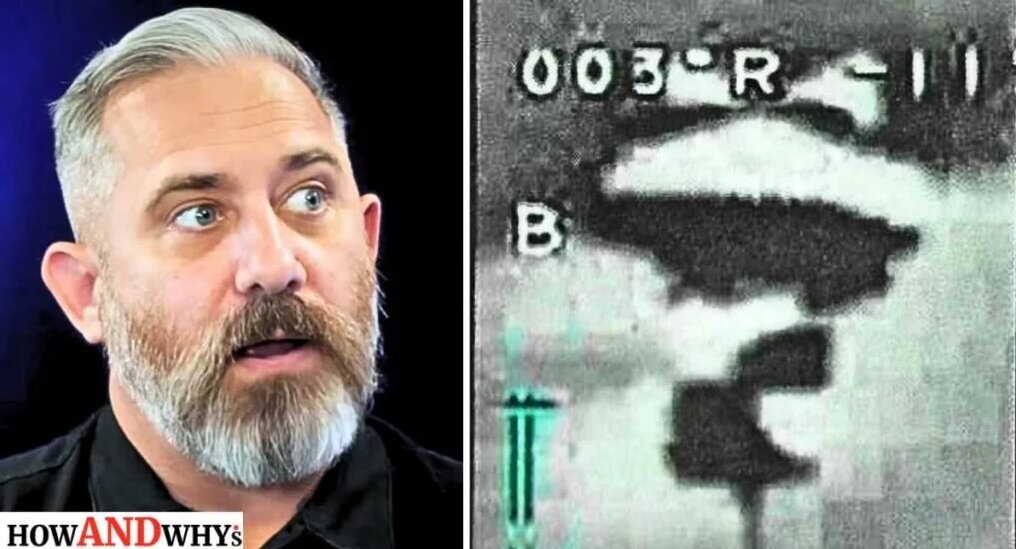
A new documentary about investigative journalist Jeremy Corbell is bringing renewed attention to the long-running debate over unidentified anomalous phenomena, commonly known as UAPs.
The film, titled “Sleeping Dog,” follows Corbell’s years-long effort to push for more government transparency around UAP reports, military footage, whistleblower claims, and classified records. Directed by Michael Lazovsky, the documentary arrives at a time when public interest in the subject has grown alongside new government document releases and congressional pressure for more disclosure.
Corbell has become one of the most recognizable figures in the modern UAP disclosure movement. He has helped bring attention to military-recorded footage, interviewed whistleblowers, and worked with other journalists and researchers who argue that the public deserves more information about unexplained aerial encounters.
The documentary reportedly includes previously unreleased material connected to Corbell’s investigations, along with interviews involving figures from the UAP research and disclosure community. Rather than focusing only on speculation, the film centers on the broader fight over secrecy, public records, and what the government knows about unexplained objects reported in restricted airspace.
TRENDING TODAY
That distinction is important. UAP does not automatically mean extraterrestrial life. In official and scientific discussions, the term refers to aerial or anomalous events that have not yet been fully identified or explained. Some may involve drones, sensor errors, foreign technology, natural phenomena, or classified military systems. Others remain unresolved because of limited data.
Still, the issue has moved far beyond fringe discussion. In recent years, UAPs have been the subject of congressional hearings, Pentagon reviews, whistleblower testimony, and public document releases. Lawmakers from both parties have argued that Americans deserve clearer answers, especially when sightings involve military personnel or restricted airspace.
“Sleeping Dog” appears to tap into that growing demand for transparency. Supporters of disclosure say the government has released too little information and has often failed to provide full context for videos, reports, and historical records. Skeptics, meanwhile, caution that dramatic claims should be backed by verifiable evidence, original data, and independent review.
The debate is also about national security. If unexplained objects are operating near military installations, aircraft, or sensitive areas, officials need to determine whether they represent foreign surveillance, advanced drone activity, technical misidentification, or something else entirely.
The documentary’s release comes during a period when public fascination with UAPs is again rising. Streaming platforms, podcasts, congressional statements, and social media have helped turn the subject into a mainstream political and cultural issue.
For Corbell and others in the disclosure movement, the central message is that the public should not have to rely on leaks, rumors, or fragmented video clips. They argue that the government should release more complete records, including dates, locations, sensor data, chain of custody, and official analysis.
Whether “Sleeping Dog” changes public understanding of UAPs remains to be seen. But it adds another layer to a debate that is no longer just about UFO believers. It is now about government accountability, national security, scientific investigation, and how much information the public has a right to see.
Why It Matters
The documentary matters because UAP transparency has become a serious public policy issue. When military pilots, intelligence officials, or government agencies report unexplained events, the public debate moves beyond entertainment and into national security, aviation safety, and public trust.
At the same time, careful language matters. Unexplained does not automatically mean extraterrestrial. For the issue to be taken seriously, claims must be supported by evidence, records, and independent analysis rather than hype alone.
What Comes Next
The next major question is whether federal agencies will continue releasing UAP-related records and whether those releases will include enough detail for outside experts to evaluate them.
More congressional hearings, document requests, and public pressure are likely. The documentary may also increase attention on Corbell’s work and on the broader push for UAP disclosure, especially if additional footage or records become available.
FOX 10 Phoenix promoted its Newsmaker segment featuring Jeremy Corbell, where he discussed UAP transparency, alleged government knowledge of unknown craft, and claims about reverse-engineering programs.
Are we alone? 👽 UFO researcher Jeremy Corbell says the dam is finally breaking on what the government actually knows about craft of unknown origin. Not only that, but he claims reverse-engineering programs are actively underway.
Watch John Hook’s Newsmaker on Saturday at 10:30… pic.twitter.com/27zcnpuQ8k
— FOX 10 Phoenix (@FOX10Phoenix) May 30, 2026