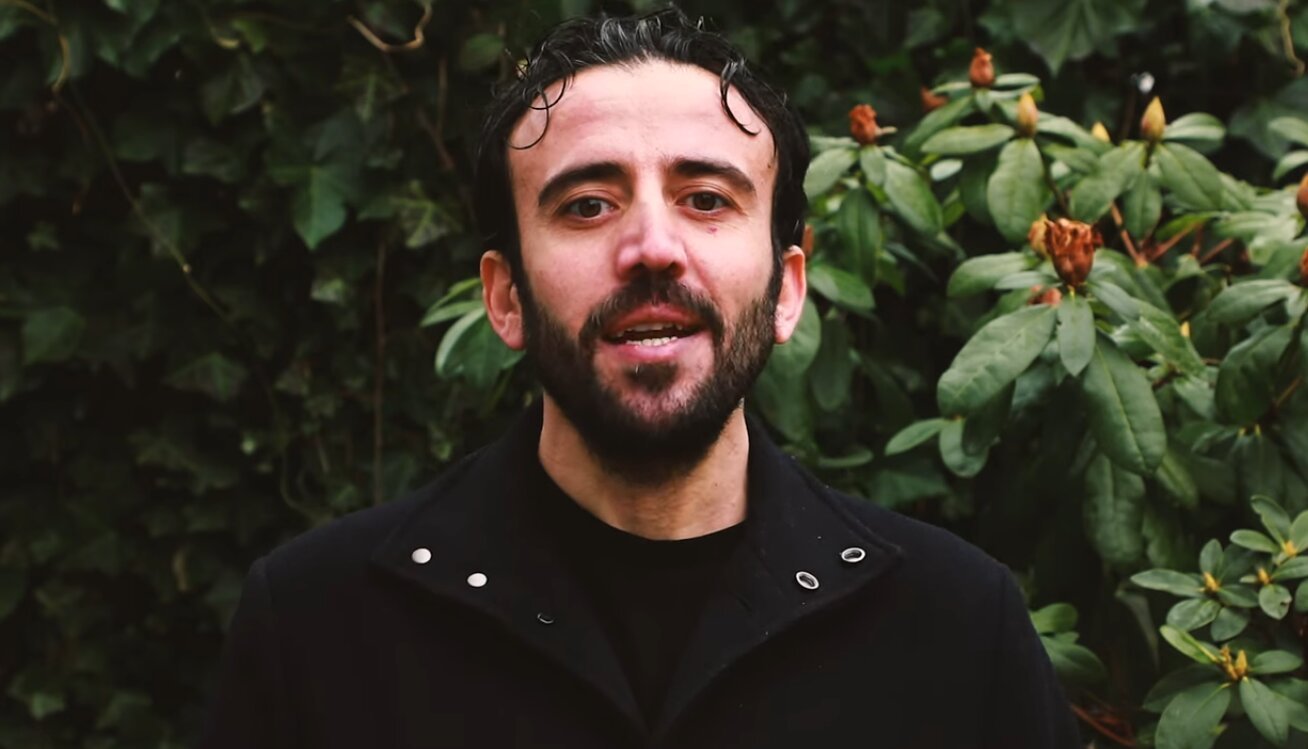
New York City Mayor Zohran Mamdani has released a sweeping affordable housing plan that would commit $22 billion in capital funding over five years, setting up a major debate over how far city government should go to address one of the most expensive housing markets in the country.
The plan, called “Block by Block: The Housing Plan for a New Era,” aims to build 200,000 new affordable homes and preserve another 200,000 existing affordable units over the next decade. Mamdani’s office described the proposal as a broad response to New York’s housing crisis, covering new construction, tenant protections, public housing, homeownership and worker standards.
“At a moment when working people are being pushed out of the city they built, New York cannot afford half-measures or delays,” Mamdani said in announcing the plan.
The proposal represents one of the biggest policy pushes of Mamdani’s first year in office. A self-described democratic socialist, Mamdani has argued that New York’s affordability crisis requires large-scale public investment rather than small adjustments to the existing housing market.
TRENDING TODAY


Under the plan, the city would use public funding, land-use changes and new financing tools to increase affordable housing production across the five boroughs. The administration says the goal is not only to build new apartments, but also to prevent existing affordable units from disappearing because of rising costs, expiring subsidies or poor building conditions.
One major part of the plan is public housing. Brick Underground reported that Mamdani’s proposal includes $5.6 billion for repairs and upgrades at NYCHA, the city’s public housing authority. NYCHA has long faced major challenges, including aging buildings, repair backlogs, mold, leaks, heating problems, pests and safety concerns.
The administration is also pushing labor standards as part of the housing effort. Mamdani wants to implement a Construction Justice Act, which would set a $40 minimum wage and benefits benchmark for workers on city-financed housing projects. Supporters say that would ensure the workers building affordable homes can afford to live in the city themselves. Critics warn it could raise construction costs and make projects harder to finance.
That tension is at the center of the debate. New York needs more housing, but it is already one of the most expensive places in America to build. Land costs, labor costs, insurance, zoning rules, environmental review, permitting and financing challenges all contribute to the city’s housing shortage.
Mamdani’s team argues that the city must use its budget and legal authority more aggressively because the private market has not produced enough affordable housing for working people. The mayor’s office says the plan would pair new construction with tenant protections, public housing investment and tools to help preserve affordability in existing buildings.
Real estate and business voices are already raising concerns. Critics say heavy regulation, wage mandates and expanded government control could discourage private investment at a time when New York needs more builders, not fewer. Some warn that developers and investors may shift capital to cities with fewer restrictions and lower costs.
Rep. Nicole Malliotakis, R-N.Y., also criticized the city’s ability to manage existing housing, pointing to problems inside NYCHA. She argued that before expanding new programs, the city should prove it can maintain the housing it already controls.
That argument may resonate with New Yorkers who support affordable housing in principle but worry about whether the city can deliver. Large housing plans often face practical obstacles: neighborhood opposition, construction delays, budget pressure, lawsuits, labor disputes and coordination with state and federal agencies.
Still, Mamdani’s proposal lands at a moment when housing affordability has become one of New York’s defining political issues. Renters face high monthly costs, low vacancy rates and intense competition for apartments. Homeownership remains out of reach for many working families. Public housing residents continue waiting for long-promised repairs.
Mamdani is trying to make housing the centerpiece of his economic agenda. His message is that New York cannot remain a city for working people unless it builds and preserves homes at a scale far beyond recent efforts.
The question is whether the plan can move from ambition to execution. Building or preserving 400,000 affordable homes over a decade would require sustained funding, cooperation from multiple agencies, support from the City Council and careful management of construction timelines.
It would also require balancing tenant protections with the need to keep housing financially viable. If rules become too restrictive, critics say owners may defer repairs or avoid new projects. If rules are too loose, supporters say affordability will continue to disappear.
That balance will likely define the next phase of the debate. Mamdani’s supporters will frame the plan as a necessary response to a housing emergency. Opponents will argue it risks adding more bureaucracy and cost to a system that is already difficult to navigate.
For now, “Block by Block” gives New York a clear policy direction: more public spending, more affordable units, stronger tenant protections and higher labor standards. Whether that combination can solve the city’s housing shortage remains the major test.
Why It Matters
Housing affordability is one of New York City’s biggest economic challenges. Mamdani’s plan would commit billions of dollars toward building and preserving affordable homes, while also attempting to repair parts of the city’s public housing system.
The proposal also matters because it could reshape the relationship between City Hall, developers, landlords, tenants and construction unions. Supporters see it as bold action for working people, while critics warn that too much regulation could slow the housing production New York urgently needs.
What Comes Next
The Mamdani administration will need to turn the plan into budgets, legislation, agency rules and specific projects. The City Council, state officials, developers, labor groups and tenant advocates are likely to fight over the details.
Watch for debates over the $22 billion funding plan, the $40 construction wage proposal, NYCHA repair spending, zoning changes and whether private developers remain willing to build under the new framework.
Socialist mayor Mamdani just put NYC landlords on notice as he calls for taking “aggressive legal action” against landlords and transferring ownership of chronically neglected buildings to “the community.”
His pitch: crack down on bad owners and remake who controls housing in… pic.twitter.com/wNHxZIgrln
— Fox News (@FoxNews) May 26, 2026
We don’t need to choose between protecting tenants and building more housing. Between fighting for NYCHA residents and homeowners. Between leading with the values that got us here and addressing the housing crisis.
Block by block, we can do it all. pic.twitter.com/uuhImxLN1j
— Mayor Zohran Kwame Mamdani (@NYCMayor) May 28, 2026