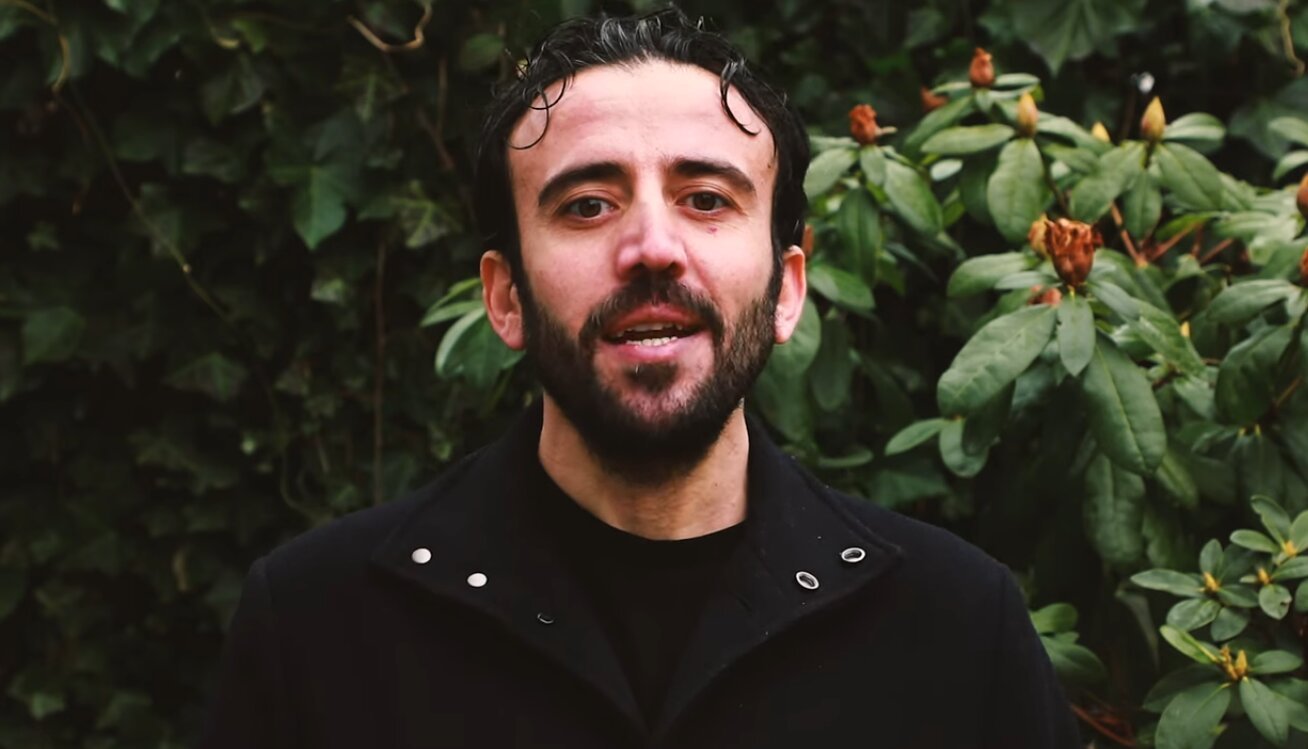
California campaign finance regulators are investigating whether former Rep. Eric Swalwell’s suspended gubernatorial campaign improperly used campaign funds to pay Los Angeles attorney Sara Azari after sexual misconduct allegations emerged against him.
The California Fair Political Practices Commission, known as the FPPC, opened a formal investigation in late May into Swalwell and his 2026 gubernatorial campaign committee, according to reporting by the Sacramento Bee. The inquiry focuses on payments made by the campaign to Azari, a criminal defense and white-collar attorney who publicly defended Swalwell after the allegations became public.
Campaign finance records cited in reports show Swalwell’s campaign initially reported a $40,000 payment to Azari for legal services. A later filing reportedly showed an additional payment of more than $273,000, bringing the total paid to the attorney to more than $300,000.
The FPPC first requested documentation from the campaign in early May. Later that month, the agency informed the campaign that it had opened an investigation into possible violations of California campaign finance law. In that notice, FPPC Assistant Chief Christopher Burton wrote that the agency had not made any determination about whether violations occurred.
TRENDING TODAY

The investigation does not mean Swalwell or his campaign has been found guilty of wrongdoing. It means state regulators are examining whether the legal payments were properly connected to campaign activity or whether they may have been personal expenses paid with donor money.
That distinction is central to the case. Campaign funds are generally restricted to expenses connected to campaign, officeholder, or political purposes. Donor money usually cannot be used for personal expenses that would exist regardless of a campaign or public office.
Swalwell, once one of the Democratic Party’s most visible figures in Congress, suspended his California governor campaign in April after allegations of sexual assault and misconduct surfaced in multiple reports. He later resigned from Congress, ending a high-profile House career that included frequent appearances on cable news and a prominent role in Democratic criticism of Donald Trump.
Swalwell has denied the allegations against him. Through Azari, he previously called the claims false and politically motivated. The allegations have not resulted in a conviction, and the campaign finance investigation is separate from the underlying misconduct claims.
The FPPC inquiry appears focused on whether the campaign’s payments to Azari were lawful. Reports say the campaign described at least one major payment as “campaign legal compliance.” Regulators may examine whether that description matches the actual legal work performed and whether the campaign had a legitimate campaign-related reason to pay the attorney.
The case could become politically significant because Swalwell’s gubernatorial campaign raised money from prominent donors, including figures connected to entertainment, business and Democratic politics. Even though his campaign was suspended, reports indicate that he still controlled millions of dollars in campaign funds.
If the FPPC finds violations, the agency could pursue administrative penalties or other enforcement actions. If it finds the payments were legally permitted, the investigation could close without punishment.
The controversy also reflects a broader question in politics: when can campaign donors be asked to pay legal bills for a candidate facing personal allegations? Politicians from both parties have faced scrutiny over using campaign funds for lawyers, especially when the legal issue is only indirectly tied to official duties or campaign activity.
Supporters of Swalwell may argue that the allegations directly affected his campaign, meaning legal advice and public response work were campaign-related. Critics may argue that defending against personal misconduct allegations is a private legal matter and should not be paid for with donor money.
For now, the most important fact is that the FPPC has not reached a conclusion. The investigation is ongoing, and Swalwell and Azari have not been found to have violated campaign finance law.
Still, the inquiry adds another layer of legal and political pressure to Swalwell’s post-Congress future. After withdrawing from the governor’s race and leaving Congress, he now faces questions not only about the allegations he denies, but also about how his campaign handled donor funds during the scandal.
Why It Matters
This investigation matters because it raises questions about how campaign funds can be used when a political candidate faces personal legal allegations. Donors give money for campaigns, not necessarily for private legal defense, so regulators often look closely at expenses that appear to blur that line.
It also matters because Swalwell was a high-profile national Democrat. Any finding by the FPPC could fuel a larger debate about political accountability, campaign finance rules and whether public figures are held to the same standards as ordinary candidates.
What Comes Next
The FPPC will review campaign records, legal invoices and communications related to the payments. The agency may decide that the expenses were allowed, or it could find that campaign funds were improperly used.
Swalwell and his campaign may also be asked to provide more documentation explaining how the legal work related to the gubernatorial campaign. Until the investigation is complete, the payments remain under review and no final determination has been made.
Eric Swalwell under investigation for $300K payments to celebrity lawyer Sara Azari https://t.co/tmwYX90Y5u pic.twitter.com/5qneGGUrOZ
— New York Post (@nypost) June 5, 2026