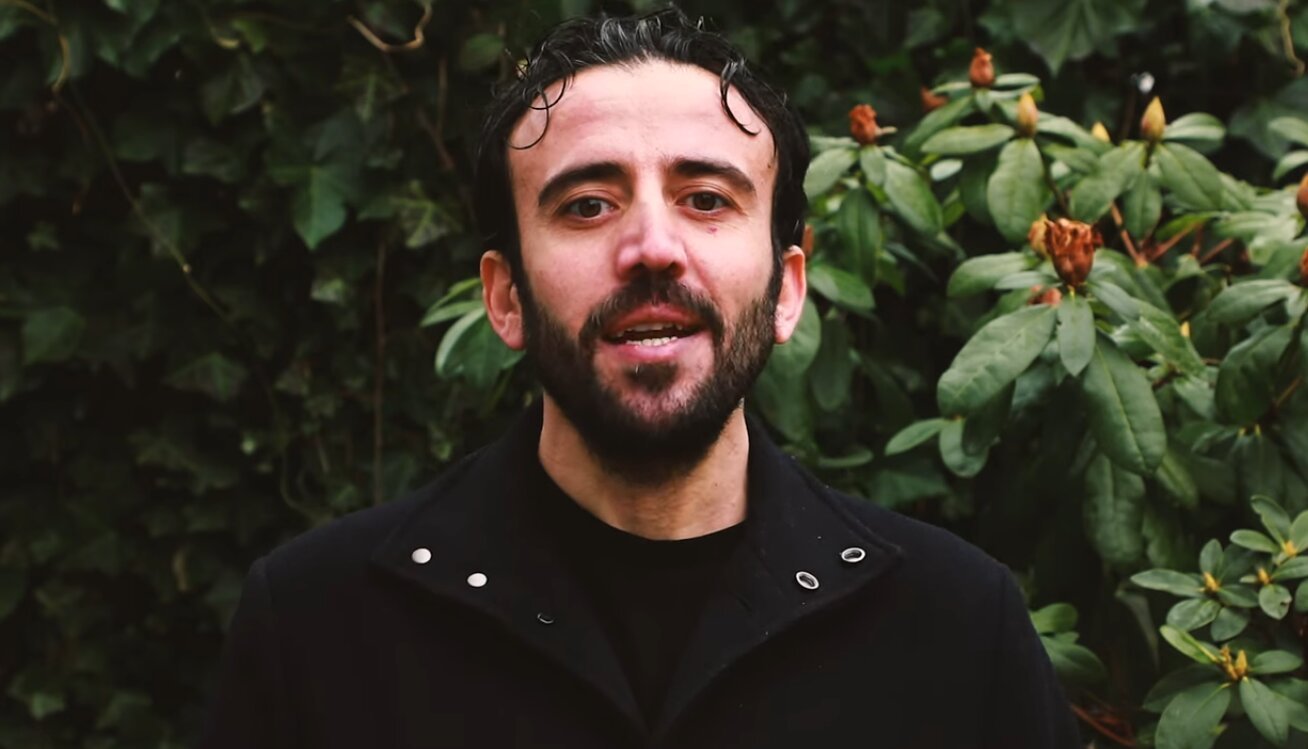
A Kurdish filmmaker and activist says months of involuntary feeding while held in U.S. immigration detention caused lasting physical and psychological harm, drawing renewed attention to the controversial treatment of hunger strikers in Immigration and Customs Enforcement custody.
Gabar Choli, who now lives in Canada after being deported from the United States in January, says he was repeatedly fed through a nasogastric tube while detained at the Port Isabel Detention Center in South Texas.
Federal court records reviewed in reporting on his case confirm that ICE obtained judicial authorization for involuntary medical procedures that could include nutrition and fluids delivered through intravenous methods or a nasogastric tube. The orders also allowed restraints when necessary to carry out treatment and medical monitoring.
Choli had gone on hunger strike while challenging his prolonged immigration detention and protesting conditions inside the facility.
TRENDING TODAY


He said he did not intend to harm himself and instead viewed refusing food as one of the few methods available to protest his treatment and push authorities to resolve his immigration case.
Choli originally arrived in the United States after living in Canada, where he had worked as a filmmaker and advocated for Kurdish political causes. He sought asylum in the U.S. but was later detained by ICE after his immigration case was unsuccessful.
After beginning his hunger strike in 2025, he was transferred to Texas.
The federal government subsequently went to court seeking authorization for involuntary medical treatment as officials warned that prolonged refusal of food could cause serious or permanent physical harm.
ICE’s own hunger-strike policy establishes procedures for monitoring detained people who refuse food and provides a framework for seeking legal authority for involuntary treatment when officials believe a detainee’s life or health is in serious danger.
Choli describes what followed very differently from ordinary medical care.
He says guards restrained him while medical personnel inserted a tube through his nose and into his stomach, sometimes performing the procedure twice in a day. He alleges that some insertions injured his nose and left him bleeding, and says the overall experience caused severe emotional distress.
Court records reportedly document medical complications involving his sinuses, esophagus and stomach. However, some of Choli’s more specific allegations about individual force-feeding sessions could not be independently verified because portions of the federal case remain sealed.
He also went through much of the legal process without an attorney. Court records show that a request for appointed legal assistance was denied while the judge extended authorization for involuntary treatment several times at the government’s request.
ICE and the Department of Homeland Security have defended the broader policy.
DHS has said ICE respects a detainee’s ability to refuse treatment when appropriate but may seek judicial authorization when a person’s condition creates a serious risk of death or permanent injury. The department says involuntary procedures are carried out under legal authority and with qualified medical professionals.
The medical ethics surrounding such treatment are sharply contested.
The World Medical Association’s Declaration of Malta states that feeding a mentally competent hunger striker against their will is not ethically acceptable. It says feeding accompanied by force, threats or physical restraints constitutes inhuman and degrading treatment.
That ethical position does not necessarily determine what U.S. courts may legally authorize. The government can argue that it has an obligation to protect people in its custody from death or irreversible harm, while medical and human-rights organizations emphasize patient autonomy and informed refusal of treatment.
Choli’s experience also appears to be part of a broader pattern rather than an isolated case.
Recent court-record reporting initially identified at least 10 hunger strikers for whom the Trump administration sought involuntary medical procedures. Additional DHS information subsequently indicated that ICE obtained court orders involving 18 hunger strikers between January 2025 and August 4, 2026. Not everyone covered by those orders was ultimately force-fed; some reportedly resumed eating before the procedures were carried out.
That distinction matters because obtaining authorization for force-feeding does not establish that every individual subject to an order actually underwent the procedure.
Choli’s case may stand out because of its reported duration. His involuntary feeding continued from approximately late May 2025 until his deportation in January 2026, potentially making it one of the longest documented cases involving an ICE hunger striker.
The case raises a difficult question that extends beyond immigration politics: when a mentally competent detainee deliberately refuses food as protest, where should the government’s duty to preserve life end and the individual’s right to refuse medical treatment begin?
That tension becomes even more significant in immigration detention, where people are held under civil rather than criminal immigration authority.
Some details remain unresolved. Parts of Choli’s court record are sealed, limiting independent verification of particular incidents he describes. ICE and DHS have provided a general defense of involuntary treatment but have not publicly answered every specific allegation involving his individual case.
Why It Matters
Choli’s case raises serious questions about medical consent, detention oversight and how the U.S. government responds when immigrants use hunger strikes to protest their confinement.
The government argues that intervention may be necessary to prevent death or permanent harm. Major medical ethics guidance, however, strongly opposes forcibly feeding a competent person who has knowingly refused nutrition.
The growing number of court orders also means the issue could become increasingly important as ICE detention expands and more detainees challenge conditions through hunger strikes.
What Comes Next
Greater scrutiny is likely to focus on how often ICE seeks involuntary-treatment orders, how frequently those orders lead to actual force-feeding and whether detained people receive meaningful access to lawyers before courts authorize invasive procedures.
Choli, now outside U.S. custody, says he is speaking publicly about his experience after months in detention. His account could add pressure for additional congressional, judicial or independent review of medical practices involving hunger strikers in immigration facilities.