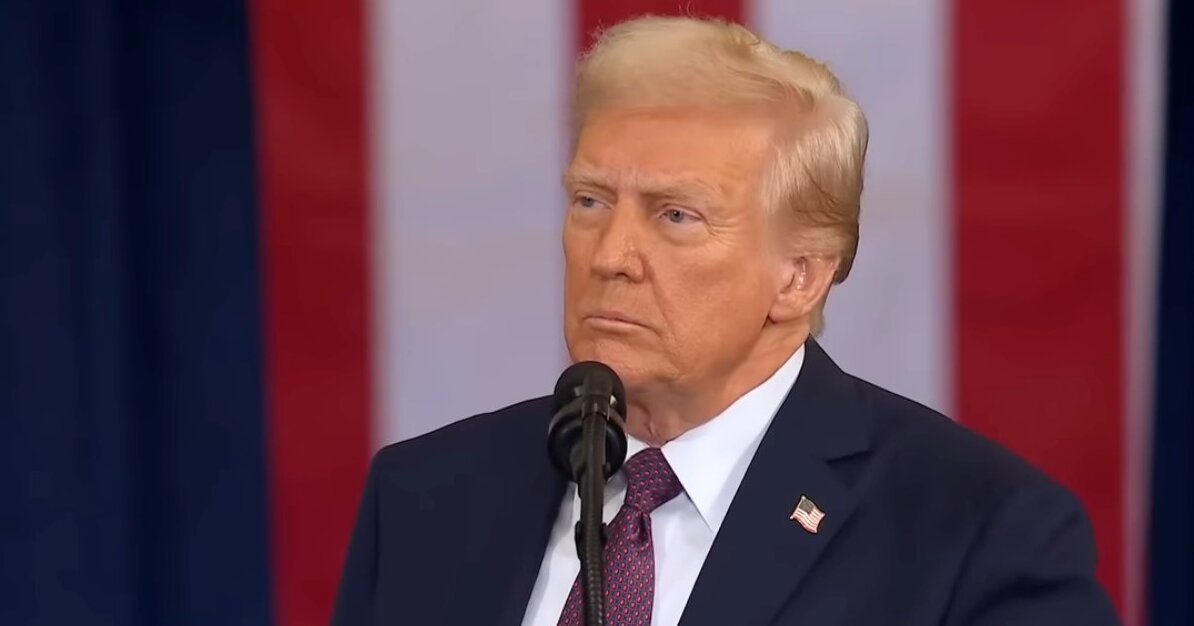
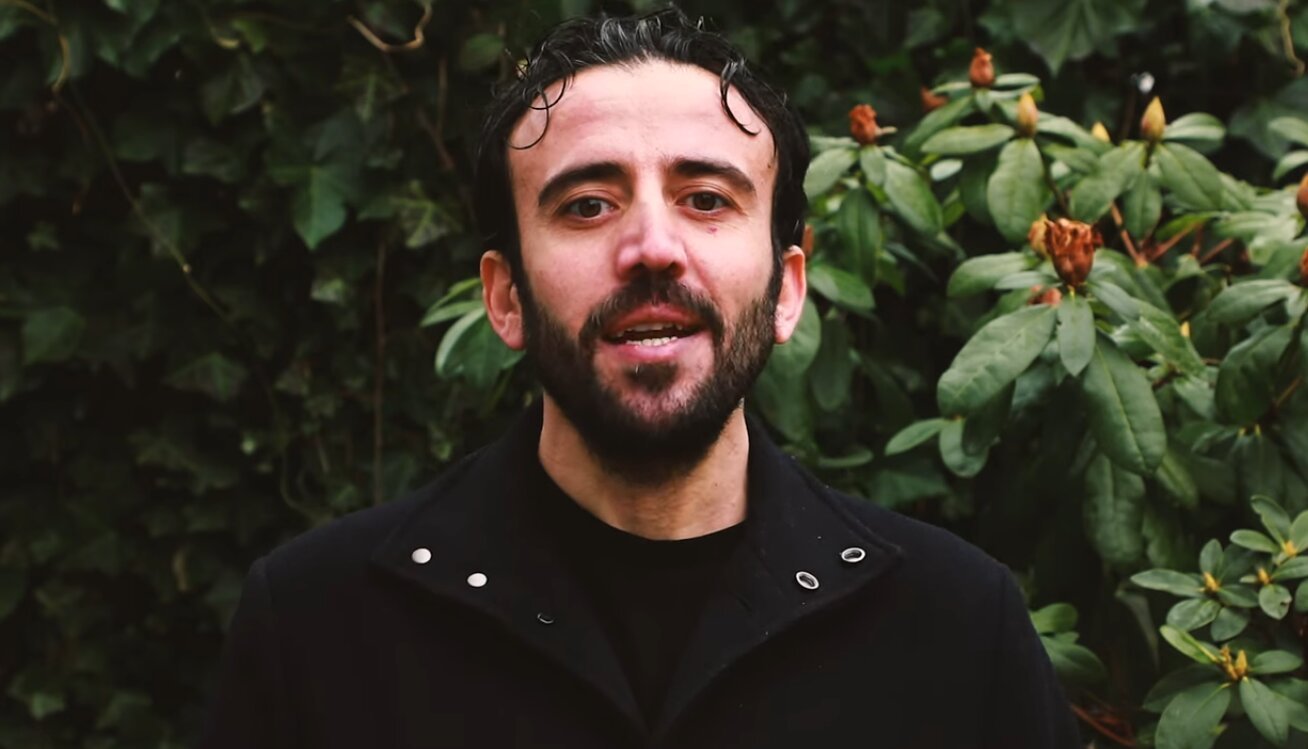
Health and Human Services Secretary Robert F. Kennedy Jr. is publicly urging American parents to vaccinate their children against measles as the United States confronts its highest annual case total in decades.
During a Sunday television interview, Kennedy said parents should ensure that their children receive the measles vaccine, describing it as effective at preventing infection in approximately 97% of cases when the recommended two-dose series is completed.
The statement represents one of Kennedy’s clearest endorsements of the measles, mumps and rubella vaccine since he became the nation’s top health official. His comments came after the interviewer repeatedly asked him to address families directly as children prepare to return to school.
Kennedy currently serves as the 26th secretary of the Department of Health and Human Services.
TRENDING TODAY
His remarks arrived as federal data showed 2,371 confirmed measles infections had been reported in the United States through July 30. That total had already surpassed the 2,288 confirmed cases recorded during all of 2025.
The rising number of infections has increased concern that outbreaks could spread into additional schools, neighborhoods and religious communities where vaccination coverage has fallen.
Measles is highly contagious and can spread through the air when an infected person coughs or sneezes. The illness can cause high fever, breathing problems and a widespread rash. More serious cases may result in pneumonia, brain inflammation, hospitalization or death, particularly among young children and people with weakened immune systems.
Federal health guidance says one dose of the MMR vaccine is approximately 93% effective against measles, while two doses are about 97% effective. The Centers for Disease Control and Prevention also says extensive research has found no association between the MMR vaccine and autism.
Kennedy’s endorsement is politically and medically significant because he spent years questioning vaccine safety and supporting claims that public-health authorities and major scientific reviews have rejected. His previous statements and actions have made him one of the most prominent figures in the national vaccine debate.
During Sunday’s interview, Kennedy declined to accept responsibility for the current measles resurgence. He attributed part of the increase to communities with low vaccination levels and to wider international transmission.
He also continued raising questions about other vaccines and health issues, meaning the interview did not amount to a complete reversal of his broader positions. The clearest point of agreement was his statement that parents should use the MMR vaccine to protect their children against measles.
That distinction matters because public-health communication relies heavily on consistency. A single endorsement may reassure some hesitant parents, but it could have limited impact if it is followed by conflicting messages from the same department or administration.
The United States declared measles eliminated in 2000, meaning the disease was no longer spreading continuously within the country. Elimination did not mean that new infections were impossible. Travelers can still introduce the virus, which may then spread rapidly through communities with insufficient vaccination coverage.
As outbreaks increase, state and local health departments must devote additional staff and funding to laboratory testing, contact tracing, public alerts and vaccination clinics. Schools and healthcare facilities may also be required to identify exposed individuals and temporarily exclude people who are infected or insufficiently protected.
For ordinary families, the most important practical question is whether children have completed the recommended vaccination schedule. Parents who are uncertain about immunization records or who have questions about individual medical circumstances should consult a qualified healthcare provider.
Kennedy’s statement could become especially influential among Americans who distrust traditional health agencies but remain receptive to him personally. A clear and repeated endorsement from a prominent former vaccine critic may reach families who would otherwise dismiss similar advice from public-health institutions.
It remains unclear whether HHS will now launch a stronger national MMR education campaign, increase support for local vaccination programs or make any broader policy changes following Kennedy’s remarks.
Without sustained action, the statement may remain primarily a notable change in tone. With consistent federal messaging and greater access to vaccination, it could help state health departments contain outbreaks before the new school year accelerates transmission.
Why It Matters
The national measles surge threatens children who are too young to be fully vaccinated, cancer patients, pregnant people and others who may be especially vulnerable to serious complications.
Kennedy’s endorsement may also influence vaccine-hesitant families who have followed his previous statements. Clear guidance from federal leadership could support local vaccination efforts, while continued mixed messaging could deepen confusion.
What Comes Next
Health departments will continue monitoring new infections, tracing contacts and organizing vaccination clinics in affected communities.
Attention will now turn to whether Kennedy and HHS repeat the recommendation through official campaigns and whether vaccination coverage rises before schools fully reopen.
The CDC’s case total will continue changing as states confirm and report additional infections, so the article should be updated when new national figures are released.