A federal judge appointed by President Donald Trump has dismissed the remaining criminal case against four Proud Boys members convicted over their roles in the January 6, 2021, attack on the U.S. Capitol, while openly questioning the reasoning behind the Justice Department’s request.
U.S. District Judge Timothy Kelly approved the government’s motion Friday involving Ethan Nordean, Joseph Biggs, Zachary Rehl and Dominic Pezzola. The dismissal came after the U.S. Court of Appeals for the District of Columbia Circuit had already vacated their convictions and returned the matter to Kelly’s court.
Nordean, Biggs and Rehl were convicted by a jury in 2023 of seditious conspiracy and several additional offenses connected to efforts to disrupt Congress’s certification of the 2020 presidential election. Pezzola was acquitted of seditious conspiracy but convicted of other serious charges, including assaulting or resisting officers, obstruction and destruction of government property.
Video evidence showed Pezzola using a police riot shield to break a Capitol window, helping create one of the first entry points used by rioters. Prosecutors previously said members of the group participated in key breaches of police barricades and the Capitol building.
TRENDING TODAY
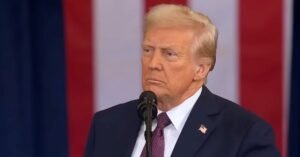

Kelly made clear that he was not dismissing the case because he had reconsidered the seriousness of the conduct or found that the jury’s verdicts lacked evidentiary support.
Instead, he said there was little practical purpose in rejecting the Justice Department’s request after the appellate court had already eliminated the convictions. Denying dismissal would not restore the earlier verdicts, the judge explained.
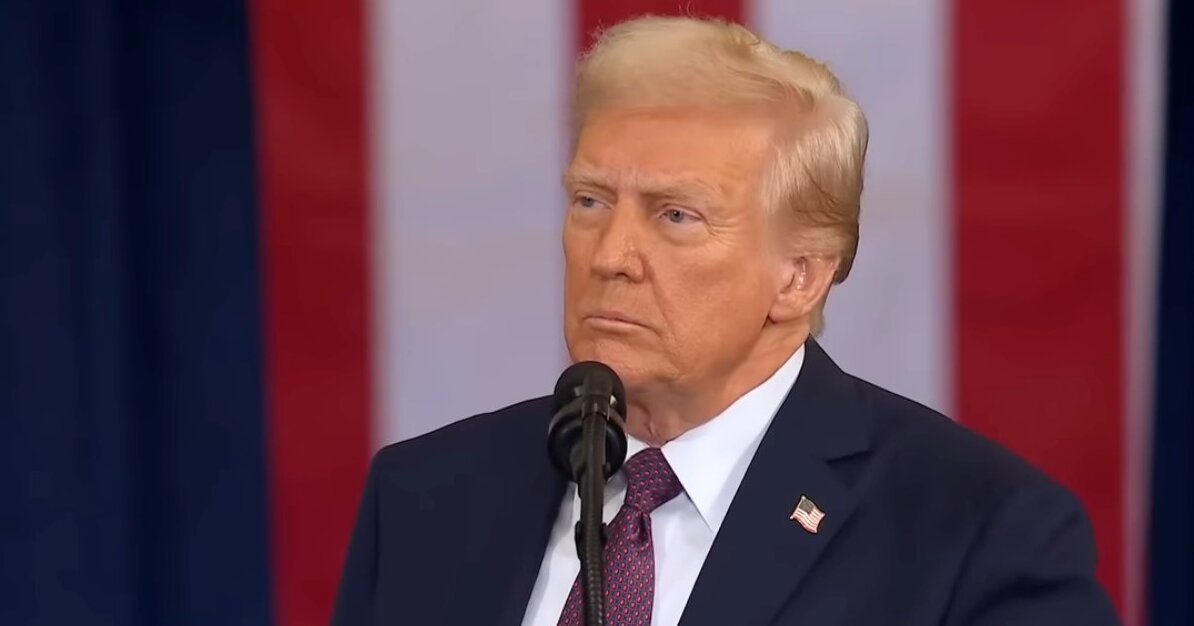
Kelly also directly addressed the political context surrounding the government’s decision. He wrote that there was “little mystery” about why prosecutors wanted the case dismissed, pointing to Trump’s publicly stated views about January 6 defendants and his intention to extend clemency to them.
The judge did not accept the administration’s broader characterization of the prosecutions. He emphasized that the Capitol attack injured police officers, threatened Congress and disrupted the constitutional process for transferring presidential power.
Trump commuted the prison sentences of Nordean, Biggs, Rehl and Pezzola to time served on January 20, 2025, his first day back in office. A commutation ended their remaining prison time but initially left their convictions intact. Trump issued full pardons to most other January 6 defendants while commuting the sentences of 14 people convicted in some of the most serious cases.
The Justice Department went further in April 2026, asking the appeals court to vacate convictions involving Proud Boys and Oath Keepers members. Prosecutors said the government had determined through its discretion that dismissing the prosecutions was in the interests of justice, but the filing reportedly offered little detailed legal or factual explanation for reversing cases that the department had previously defended.
The appellate court approved the request in May, leaving Kelly with the final procedural task of dismissing the charges. His order reportedly dismissed the case with prejudice, meaning the federal government cannot revive the same prosecution later.
The ruling does not erase the historical record of the jury verdicts or the evidence presented during the trial. It does, however, remove the convictions as enforceable criminal judgments and clears the affected defendants of the remaining legal consequences attached to those cases.
The decision illustrates the broad power of the executive branch over federal prosecutions. Presidents may issue pardons or commute sentences, while the Justice Department generally controls whether the federal government continues defending or pursuing a criminal case.
Judges can question the government’s reasoning and require prosecutors to explain dismissal requests. But courts have limited authority to force the executive branch to continue a prosecution it no longer wishes to pursue, particularly after an appellate court has already vacated the convictions.
Why It Matters
The dismissal removes some of the most serious remaining convictions arising from the January 6 attack and demonstrates how a change in presidential administration can reverse the Justice Department’s position in major political cases.
For police officers, lawmakers and members of the public affected by the Capitol attack, the decision may be viewed as weakening years of federal accountability efforts. Supporters of the defendants argue that the prosecutions were excessive and that the administration was justified in ending them.
The judge’s criticism is also significant because it came from a Trump appointee who nevertheless described the Capitol attack as a grave threat to the peaceful transfer of power.
What Comes Next
The Proud Boys defendants will no longer face penalties from these dismissed prosecutions. Other related cases involving Oath Keepers members may receive similar treatment following the Justice Department’s broader effort to vacate January 6 convictions.
Congressional Democrats, former prosecutors and police officers injured during the attack may continue demanding explanations from the Justice Department about why it abandoned cases that juries had already decided.
The judge granted the Justice Department’s request while questioning the rationale behind dismissing the case.
JUST IN: It’s over. Judge Kelly has granted DOJ’s motion to dismiss the J6 seditious conspiracy case against Proud Boys leaders.
He takes a couple parting shots, suggesting Trump’s view of the case is based on “fiction” and notes the prosecution started under Trump’s presidency.… pic.twitter.com/1FrVScSeHj
— Kyle Cheney (@kyledcheney) July 11, 2026