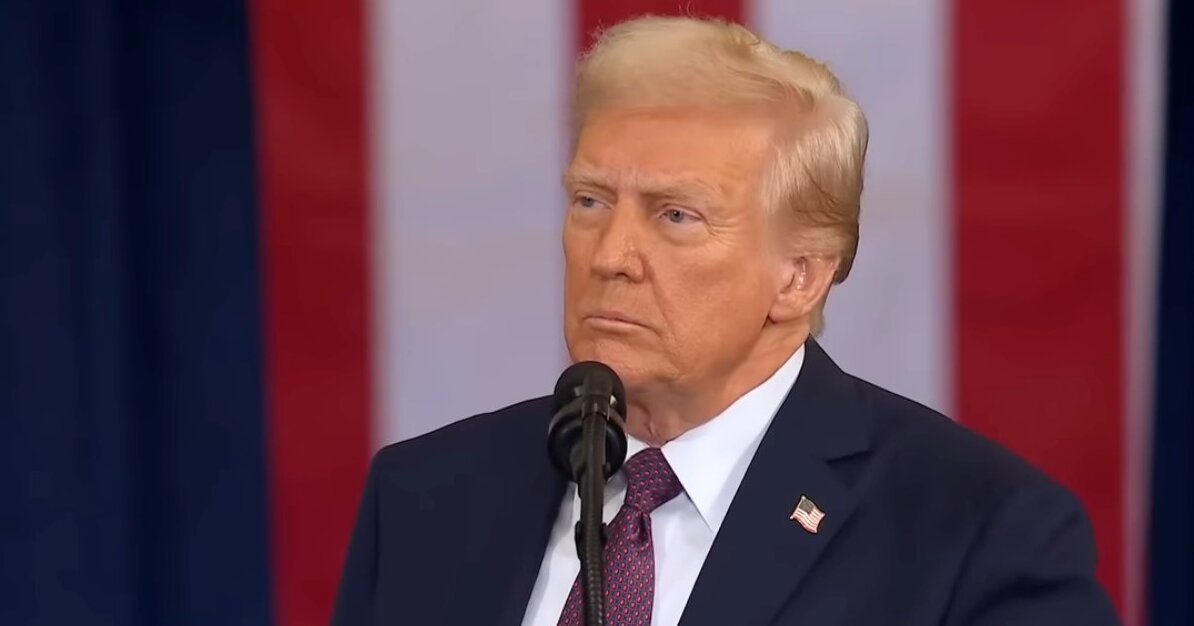
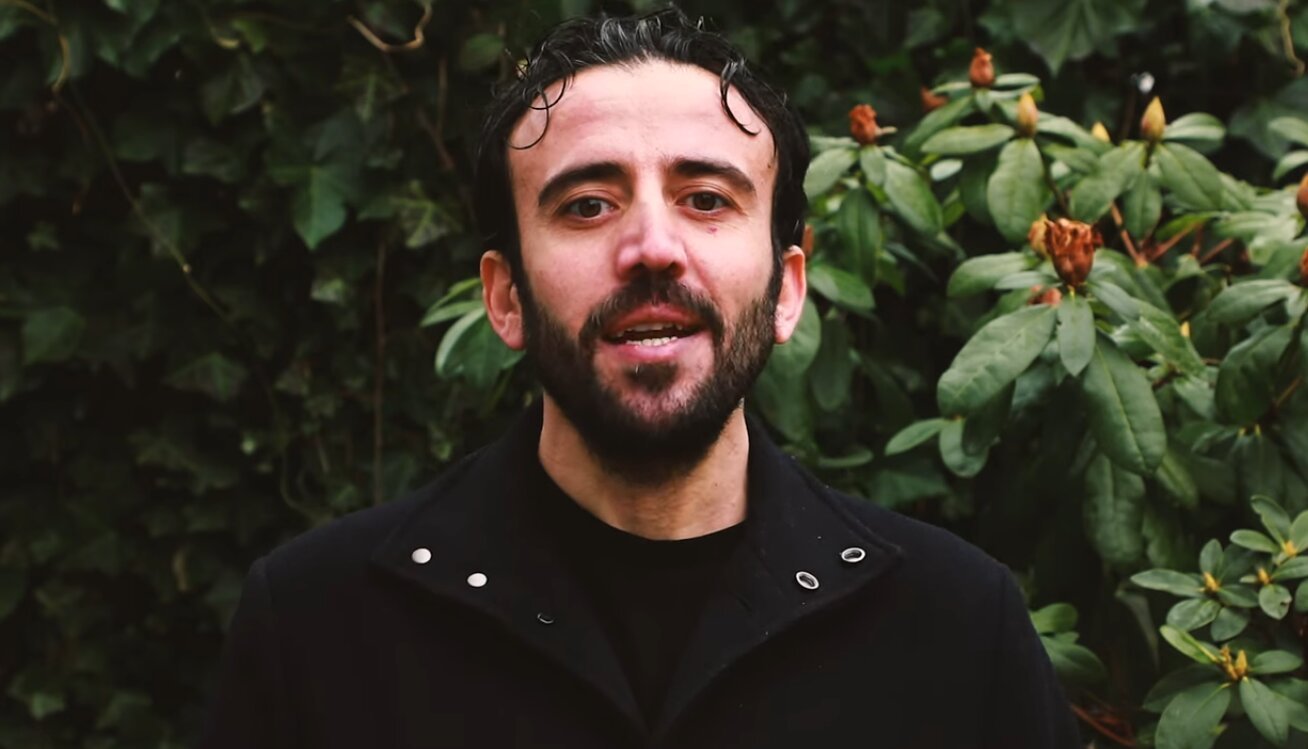
A decade-old essay by Vice President JD Vance criticizing Donald Trump has resurfaced after The Atlantic republished it on its 10th anniversary, renewing debate over one of the most dramatic political transformations in modern Republican politics.
The essay, originally published in 2016 before Vance entered elected office, described Trump’s appeal as a kind of political pain relief for Americans facing economic decline, family breakdown, distrust in government and social instability. Vance argued at the time that Trump offered simple answers to complex problems and warned that his supporters would eventually realize he could not solve the issues that made them turn to him.
The Atlantic’s decision to republish the piece during America’s 250th anniversary weekend immediately drew attention because Vance is now Trump’s vice-president and one of his most aggressive defenders. The contrast between the old essay and Vance’s current role has given critics a fresh example of what they see as political reversal for ambition.
Before his rise in Republican politics, Vance was best known as the author of Hillbilly Elegy, a bestselling memoir about his upbringing in Ohio and Kentucky that made him a national voice on white working-class frustration. At that moment, he positioned himself as someone who understood why Trump appealed to struggling communities but also believed Trump was exploiting their pain rather than addressing it.
TRENDING TODAY


Vance later changed course. During his 2022 U.S. Senate campaign in Ohio, he aligned himself with Trump, won the former president’s endorsement and became a leading figure in the MAGA wing of the Republican Party. By 2024, he was Trump’s running mate. Now, as vice-president, he is widely viewed as one of the figures most likely to compete for leadership of the Trump movement after Trump leaves office.
Vance has previously explained his shift by saying he changed his mind after seeing Trump’s policies in action during the first Trump presidency. Supporters argue that politicians are allowed to reassess their views and that Vance’s conversion reflects genuine agreement with Trump’s populist agenda. Critics argue that the reversal shows how quickly political figures can abandon earlier warnings when power becomes available.
The timing of the republication made the story more pointed. Trump spent the 250th anniversary weekend declaring that America was entering a new “golden age” while also attacking what he called a communist threat inside the country. Vance, who once warned that Trump could not fix America’s deeper problems, is now helping defend that message from inside the White House.
For voters, the episode raises a larger question about political trust. Many politicians evolve over time, especially as parties change. But when a public figure moves from describing a leader as dangerous to becoming that leader’s closest ally, voters are left to judge whether the change reflects conviction, strategy or ambition.
The resurfaced essay is also a reminder of how written words can follow politicians long after the moment has passed. Vance’s 2016 analysis was not a short social media post or offhand remark. It was a detailed argument about Trump’s appeal, American decline and the emotional pull of populist politics. That makes the contrast with his current position harder to dismiss.
The renewed attention may not damage Vance among Trump loyalists, many of whom already know he was once skeptical. In fact, his defenders may frame the story as evidence that Trump won over former critics through results. But for opponents and undecided voters, the essay is likely to become part of a broader argument about consistency, opportunism and the future of the Republican Party.
Why It Matters
This matters because JD Vance is no longer just a commentator reflecting on Trump’s rise. He is vice-president and a potential future leader of the MAGA movement. His old essay forces voters to revisit what he once believed about Trump’s appeal and compare it with the role he now plays in defending the president. The story is less about one old quote and more about how political ambition, ideology and party loyalty can change over time.
What Comes Next
The essay is likely to keep circulating online, especially among Trump critics and Democrats looking to highlight Vance’s past statements. Vance may try to frame the criticism as old news and argue that his views changed because Trump proved himself in office. As the midterms and future Republican leadership battles approach, his transformation from Trump critic to Trump’s vice-president will remain a major part of his political biography.
The Atlantic republished Vance’s 2016 essay, renewing attention on his shift from Trump critic to vice-president.
Ten years ago today, J. D. Vance called Trump “cultural heroin” in The Atlantic: “To every complex problem, he promises a simple solution … He never offers details for how these plans will work, because he can’t,” Vance wrote of Trump.
Read the piece: https://t.co/RgEhVdJBZx
— The Atlantic (@TheAtlantic) July 4, 2026